Disclosure: Some of the links on this site are affiliate links. If you make a purchase through one of them, I may earn a small commission at no extra cost to you. Read my full disclaimer here. Thank you for your support!
How many days in Seville depends less on the city than on what you want from it, and for most people the answer is three.
This guide covers how long each of the major sights actually takes, what two days gets you compared with three or four, and how many days to add if you want the rest of Andalucía as well.
I’ve tested this from both ends. My first trip here was a full week, which was luxurious and more than most people need.
A later visit was three nights before moving on through Andalucía. Then I lived in Seville for two months, which is what taught me the difference between seeing the city and spending time in it.
The short version, if the number is all you came for. Two days covers the Alcázar, the Cathedral, Santa Cruz and Plaza de España without running between them.
Three days is the point where it stops feeling like sightseeing. Four or more earns its place only if you’re eating seriously or leaving the city for a day.
Essential links for your Seville trip
Editor’s choice:
✩ Tastes, Tapas & Traditions food tour (perfect for foodies – read my review here)
✩ Seville in a Day Tour with VIP Alcazar Access (Iconic sights)
Top tours and experiences in Seville:
✩ Alcázar and Cathedral Guided Tour & Priority Access
✩ Seville Tapas Crawl with Flamenco Show
Best day trips from Seville
✩ White Villages and Ronda Tour
✩ Granada’s Alhambra and Albaicin Full Day Tour
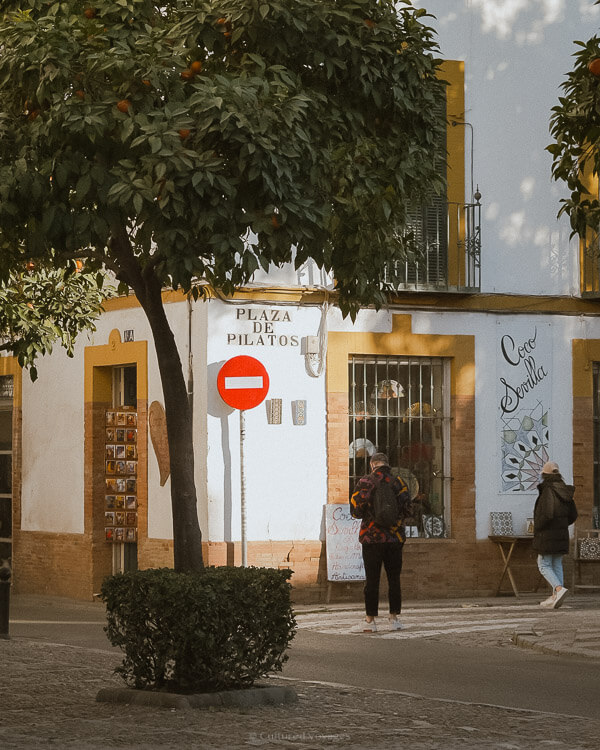
Table of Contents
- How many days in Seville: factors to consider
- Time needed to see Seville’s most popular attractions
- What Each Length of Stay in Seville Actually Gets You
- How Long You Need in Seville, By What You’re There For
- How Many Days to Add for Day Trips
- Does the Time of Year Change How Long You Need?
- How many days do you need in Seville: FAQ
- So, How Many Days in Seville?
How many days in Seville: factors to consider

The biggest factor is pace, and it’s worth being honest with yourself about yours.
If you’re the sort of traveller who wants a long lunch and an afternoon with nothing in it, two days will feel tight and three won’t be enough either.
If you’re happy moving briskly between sights, two days genuinely does cover the headline list. Neither is the right way to travel, but they produce very different answers to this question.
Seville’s attractions cater to a wide array of interests.
History buffs will find themselves lost in the grandeur of the Alcázar and the Cathedral, while art enthusiasts can admire into the rich collections of the Museo de Bellas Artes.
A Cultured Voyages Guide
Seven shifts that take you from sightseeing to actually understanding a place – the same ones I use on every trip I plan.
Food lovers, meanwhile, might wish to allocate extra time for culinary explorations, from traditional tapas in Triana to avant-garde dining experiences in the city centre.
Each of those interests pulls the number in a different direction, which is why I’ve broken it down by traveller type further down.
Time needed to see Seville’s most popular attractions
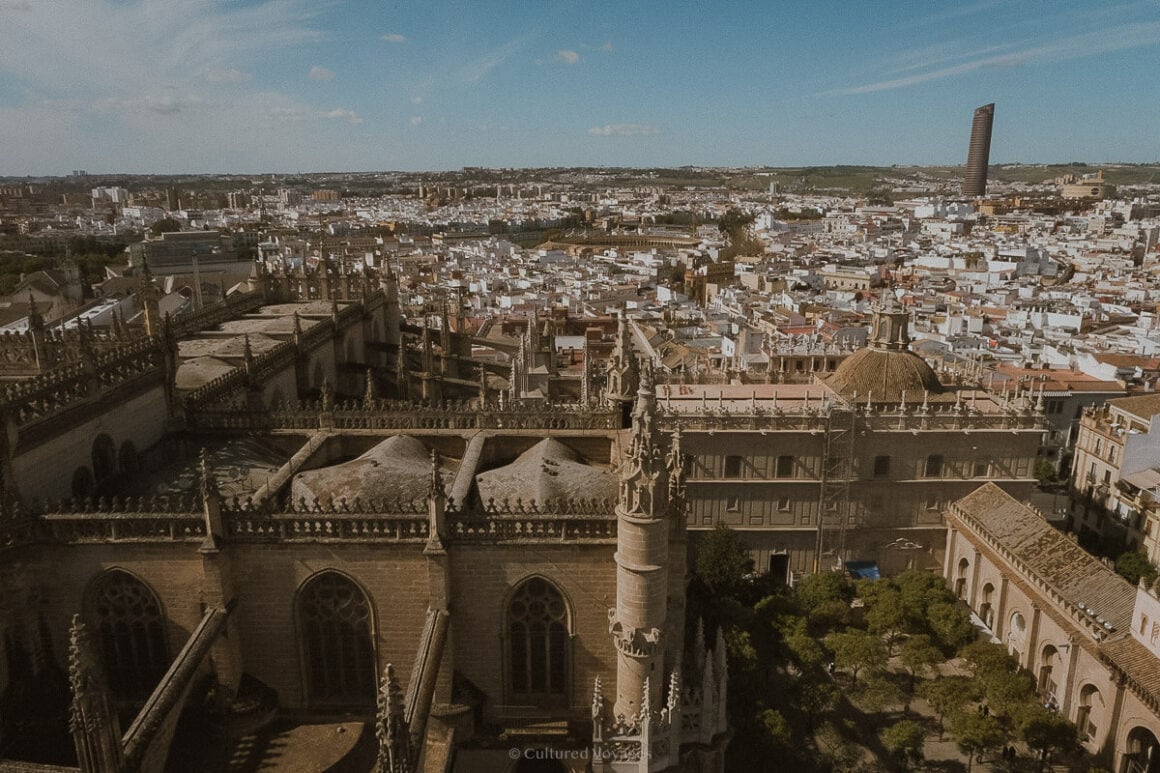
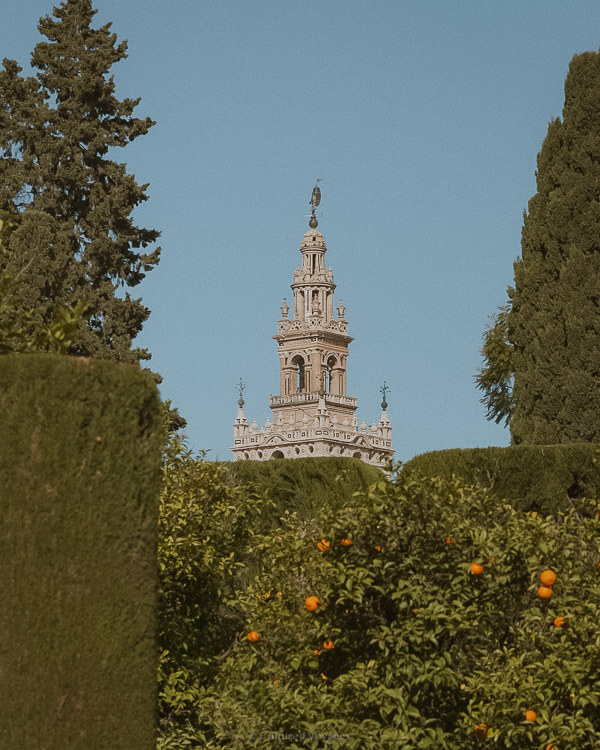
Seville Cathedral and Giralda
Approximate Time: 1-2 hours
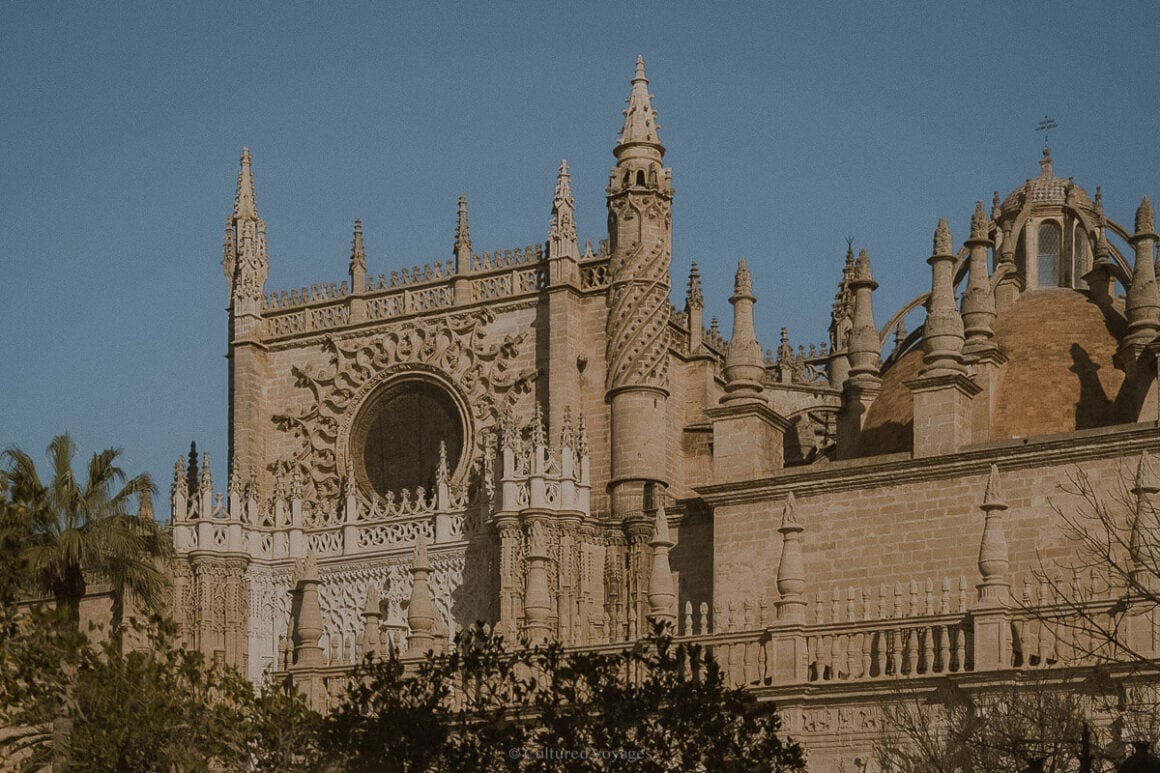
Notes: The largest Gothic cathedral in the world. Allow time for the Giralda climb, which is a ramp rather than stairs and easier than it looks. The tomb of Christopher Columbus here is a significant highlight. Plan your visit using my Seville Cathedral guide.
EDITOR’S NOTE | To do the Alcazar, cathedral and Giralda justice, you’ll realistically need to set aside at least half a day. As they are all adjacent to each other, it makes sense to visit them together. If it’s your first time, I’d recommend that you take this excellent guided tour.
The Royal Alcázar
Approximate Time: 2-3 hours
Notes: The finest Mudéjar interior in Spain, and the gardens take as long as the palaces if you let them. Don’t treat them as the bit at the end. Read my full guide on how to visit Seville’s Alcázar here.
Plaza de España and Maria Luisa Park
Approximate Time: 1-2 hours
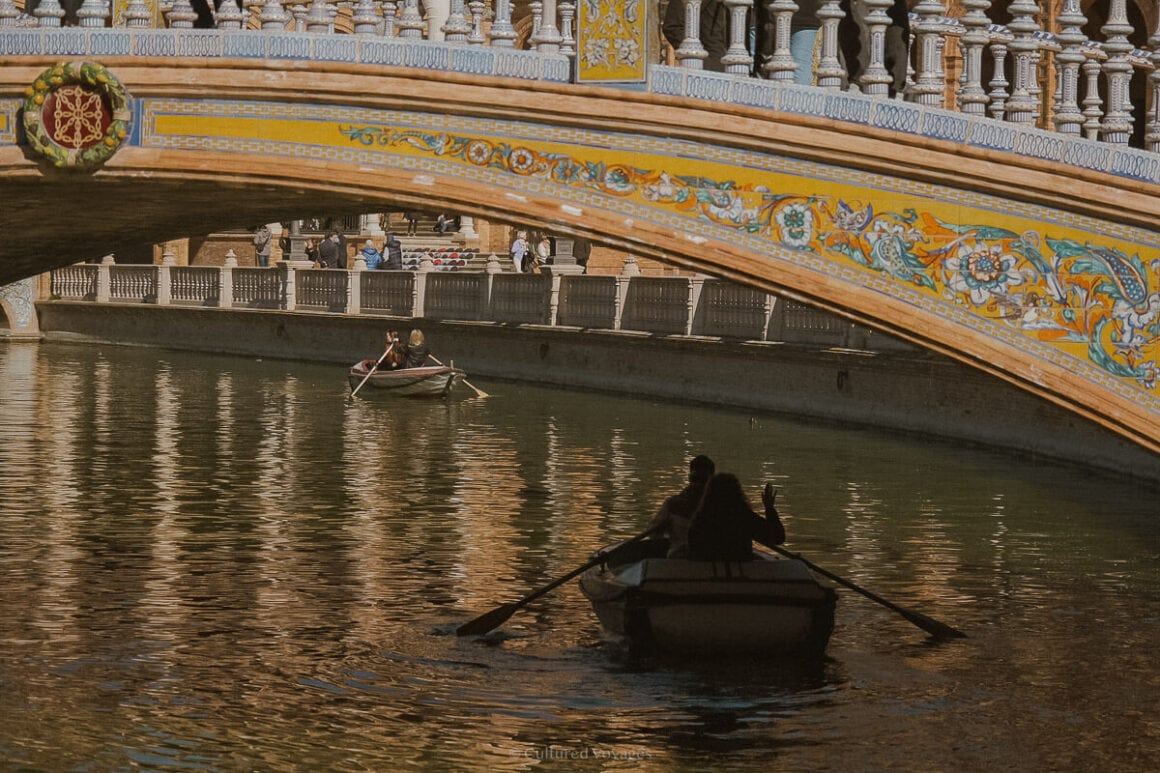
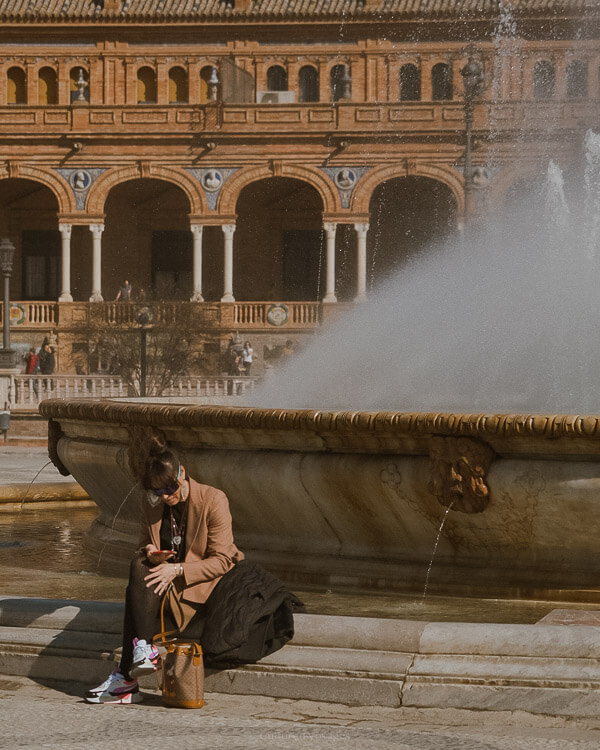
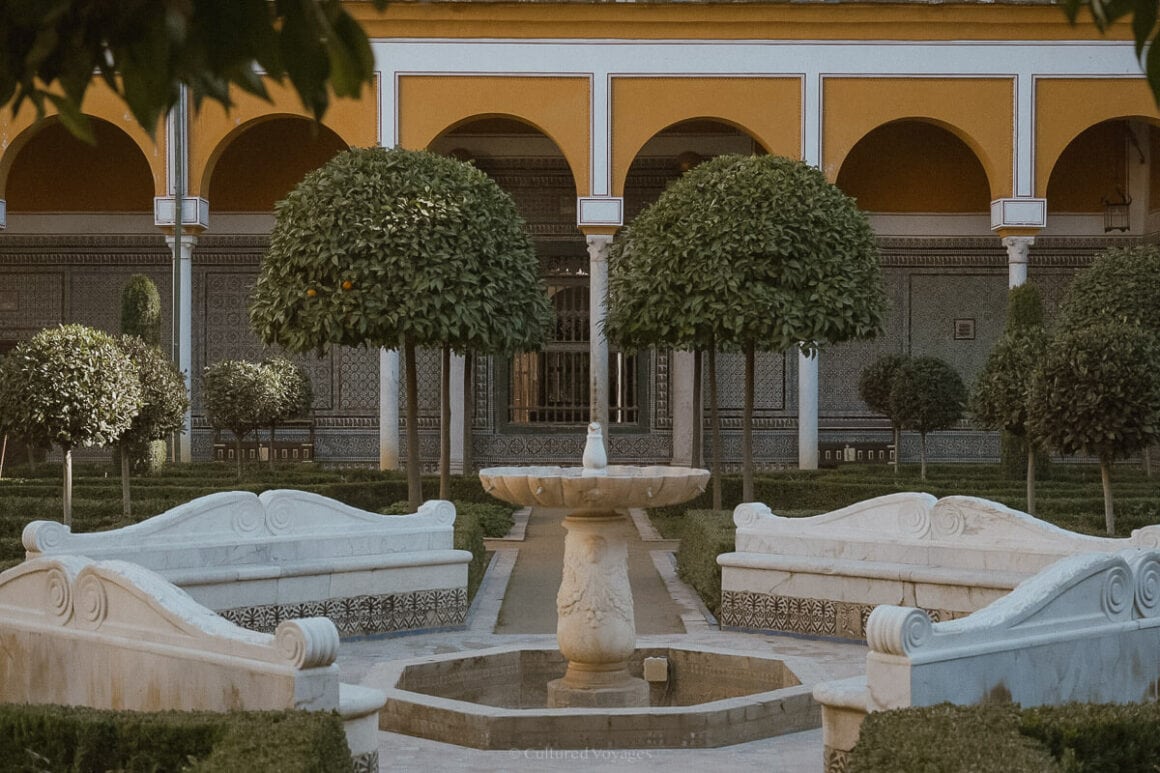
Notes: The Plaza, a symbol of the Ibero-American Exposition of 1929, is a spectacle of Spanish Renaissance Revival architecture. María Luisa Park sits right beside it and is where the city goes to get out of the heat. Note that it takes around 20 minutes to walk here from the cathedral area.
Barrio Santa Cruz
Approximate Time: 1-2 hours
Notes: The old Jewish quarter, and the part of the city where the history sits closest to the surface. Go before mid-morning and don’t bother with a map.
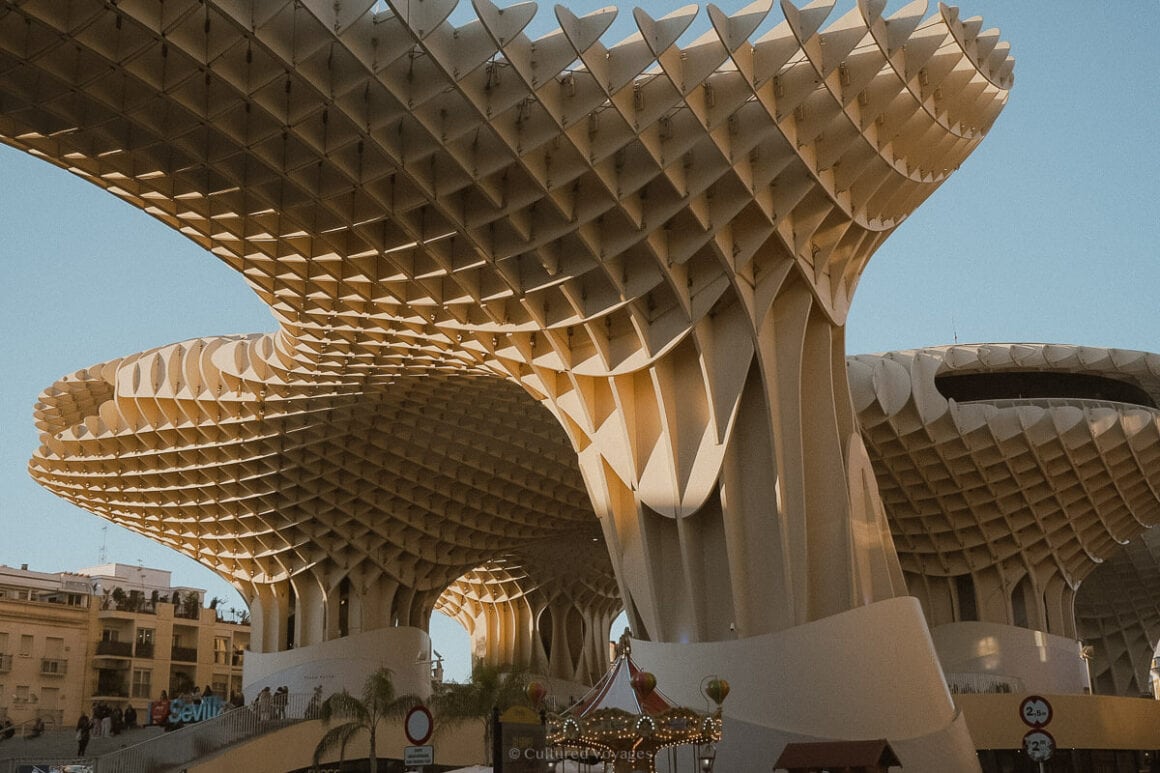
Metropol Parasol
Approximate Time: 30-60 minutes
Notes: Known locally as Las Setas, this modern structure contrasts with the ancient cityscape. The panoramic terrace at the top provides a unique view of Seville, especially stunning at sunset. There’s a concealed (and often missed) food market at ground level, as well as an underground archaeological site of Roman ruins.
Casa de Pilatos
Approximate Time: 1 hour
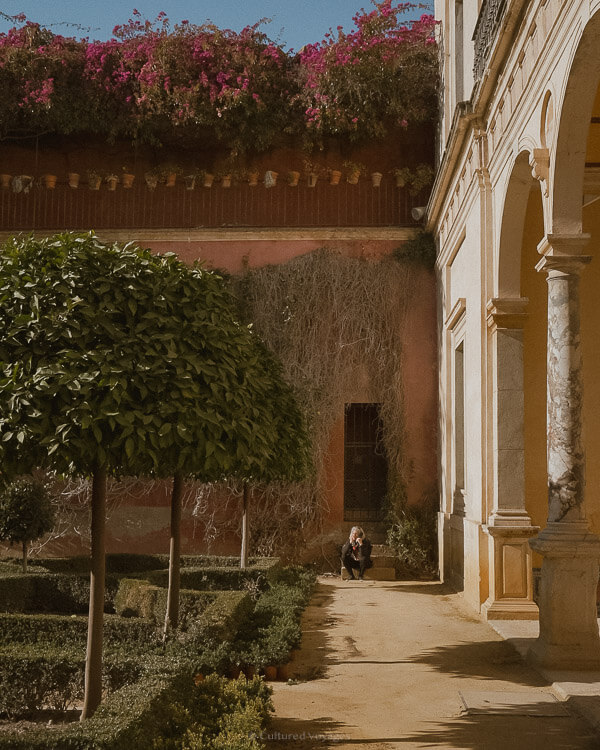
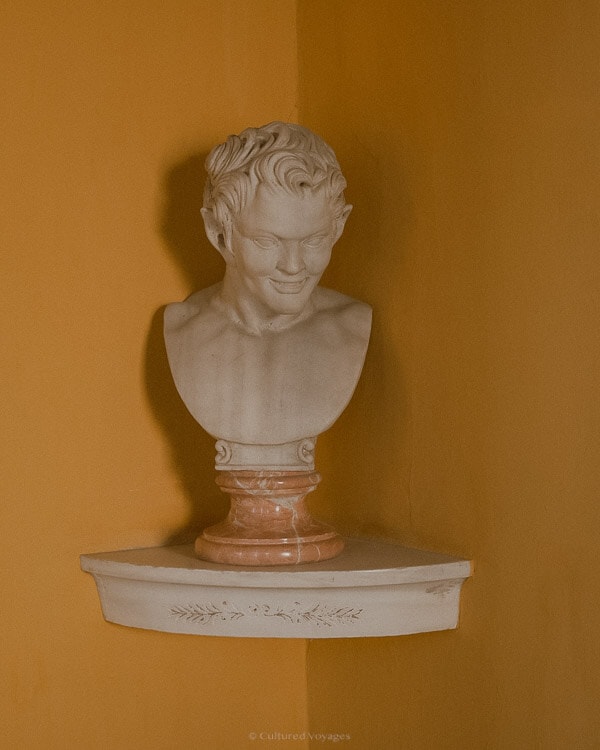
Notes: Renaissance and Mudéjar in the same building, and far quieter than the Alcázar because everyone is at the Alcázar. Make sure to take the guided tour offered of the upstairs area (the audioguide for downstairs is rather boring).
Museum of Fine Arts
Approximate Time: 1-2 hours
Notes: In a former convent, and consistently overlooked. The collection runs from the medieval period to the early twentieth century, and it holds the best Sevillian Baroque anywhere. On a weekday you’ll have rooms of it to yourself.
Torre del Oro
Approximate Time: 30 minutes
Notes: This military watchtower by the Guadalquivir River offers insights into Seville’s naval history. The panoramic view from the top is well worth the climb, even if the exhibition won’t blow you away.
Food Tour
Approximate Time: 3 hours to half a day/ a full evening
Notes: Worth doing early in your trip rather than late, because it will change where you eat for the rest of it. That’s the whole point of one. For the best food tours in Seville, check out Devour Tours’ offerings, which I’ve personally tried and highly recommend.
Food Markets
Approximate Time: 30 minutes+
Notes: Mercado de Triana and Mercado de Feria are both worth an hour, and both are better at lunchtime when people are actually eating in them. Plan to spend an hour or two if you choose to dine/have a drink.
What Each Length of Stay in Seville Actually Gets You
| Length | What you’ll manage | What you’ll miss |
| 1 day | The Alcázar and the Cathedral, and a walk through Santa Cruz | Everything else. You’ll be moving the whole time and you won’t eat properly once |
| 2 days | The above plus Plaza de España, Las Setas, and two decent meals | Triana, the smaller palaces, and any sense of the neighbourhoods |
| 3 days | All of the above at a civilised pace, plus Triana, and either a food tour or one of the smaller palaces | The secondary sights, or unstructured wandering time. You’ll have to pick one. And you’ll barely scratch the food |
| 4 days | Everything above without the trade-off: the secondary sights and time to wander, plus a broader range of bars and markets | Nothing much. This is what I’d choose for the city on its own |
| 5-7 days | Four days in the city plus one to three day trips, or the slow version: markets, repeat visits, whole afternoons with nothing in them | Nothing at all |
The thing most three-day itineraries for Seville leave out
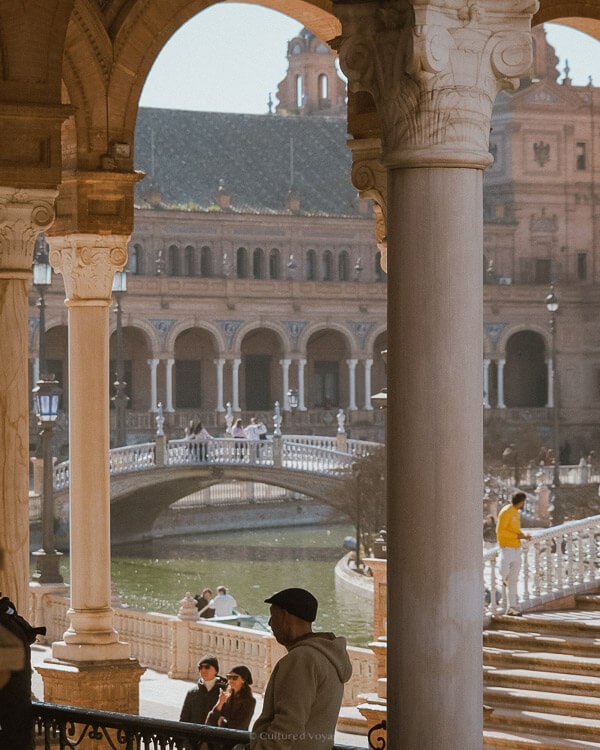
Seville’s centre is large and unusually walkable, and wandering it is not a filler activity to slot in between bookings. It’s one of the best things the city gives you.
The trouble with three days is that you have to choose. Either you fit in the secondary sights, or you keep enough unplanned time to get properly lost in San Lorenzo, Alameda and Triana. You won’t do both, and you’ll only manage one food market and a handful of bars either way.
That’s why, if I had to pick, I’d take four days in Seville over three days plus a day trip. The day trip will be a good day out. The fourth day in the city is the one that changes how you feel about the place.
If you’ve settled on two days, I’ve written a full 2 Days in Seville Itinerary with a day-by-day plan, including where to eat between the sights.
How Long You Need in Seville, By What You’re There For
| If you’re there for | Days I’d recommend |
| History and heritage | 3 |
| Food and wine | 3 |
| Art and architecture | 3 |
| Slow travel | 5 or more |
| All-round culture | 3 to 4 |
History and heritage: 3 days
Two days gets you the Alcázar and the Cathedral, which is the headline act. The third day is what lets you reach Casa de Pilatos, the Archivo de Indias and the Palacio de las Dueñas, and those are the ones that fill in how the city actually worked rather than just how powerful it was.
If you only have two days and history is the reason you came, do the Alcázar properly with a guide and let the Cathedral be a shorter visit. It’s the better trade.
Food and wine: 3 days
You could eat well in two days, but three is what turns eating into understanding. My advice would be a food tour on the first morning, which will shape everywhere you go afterwards, then a market at lunchtime on day two, then a proper tapas crawl on the third evening across two or three neighbourhoods rather than one.
The thing worth knowing before you plan around meals: local tapas bars close on Sunday evening, and most shops shut on Sunday altogether. If your trip includes one, put your eating on the Saturday.
Art and architecture: 3 days
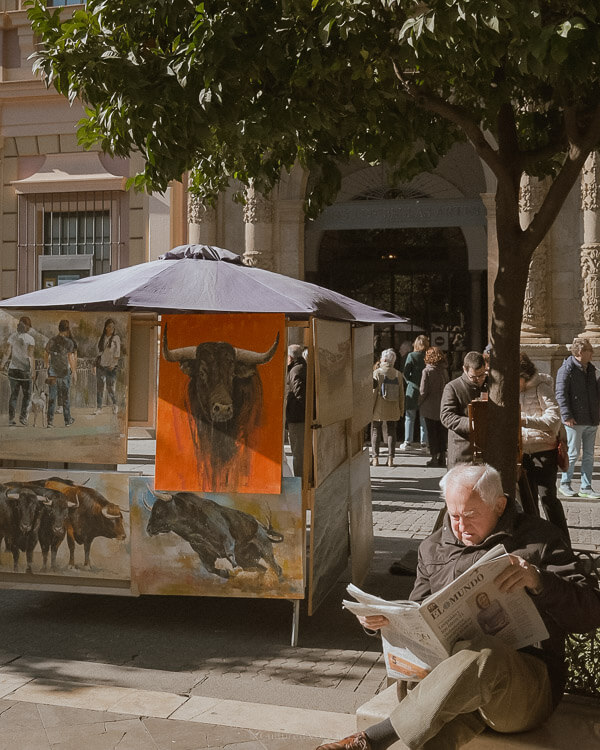
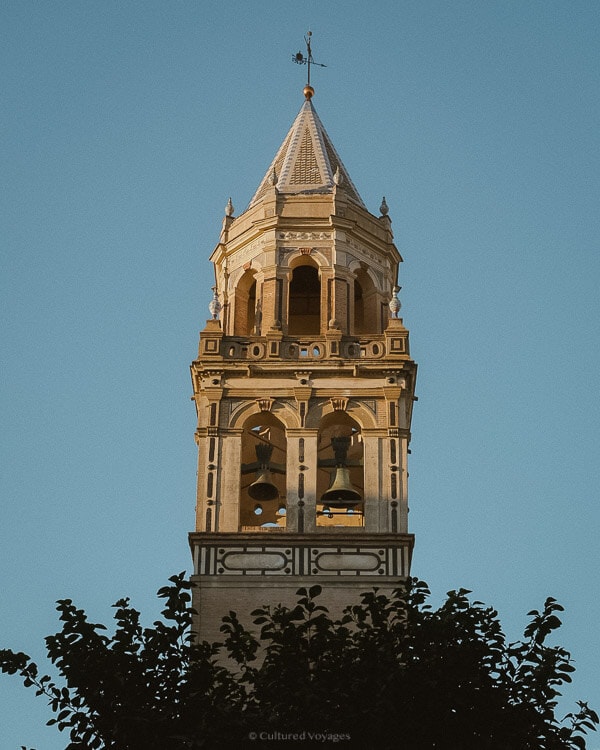
Three days, and it’s a different three days from the heritage version above. A history trip is about what happened here. This one is about what was made.
The Mudéjar tilework and plasterwork in the Alcázar, the Gothic engineering of the Cathedral, the 1929 exposition architecture at Plaza de España, and the Museo de Bellas Artes for the Sevillian Baroque painters, which is one of the most under-visited major collections in Spain.
Add the Centro Andaluz de Arte Contemporáneo across the river, the Hospital de los Venerables for the Velázquez, and Casa de Pilatos for the courtyard where Renaissance and Mudéjar meet in the same building.
Two days would cover the art on its own. Three is what you need if you want to include some of Seville’s architectural highlights too.
Slow travel: 5 days or more
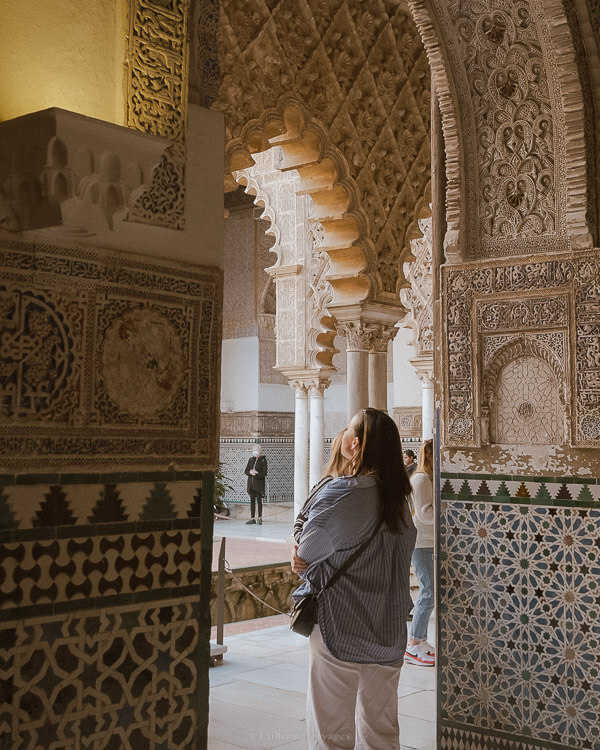

Five days is the point where you can stop scheduling. You’ll have covered the sights by the third day, which leaves two with nothing in them, and that’s when you start noticing some of the smaller, unique intricacies of the city rather than working your way through its highlights only.
I should be frank with you, though. Five days doesn’t make you a local, and I’d be lying to you if I implied it did.
The things I actually value about Seville came out of two months, not a long week: having a bar where I ordered the same thing on repeat, knowing which grocer I preferred, learning that the Alameda on a Saturday evening is a different city from the Alameda on a Tuesday.
None of that arrives in five days.
What five days does give you is permission to travel slowly rather than efficiently, and in a city this walkable that’s worth more than another palace.
All-round culture: 3 to 4 days
Three days for the city, and a fourth if you want a day trip. This is where most people I write for will land, and it’s the default answer I’d give if you told me nothing else about yourself.
How Many Days to Add for Day Trips
| Destination | Travel time | Add | My view |
| Córdoba | 45 mins by train | 1 day | The easiest and the best. Direct train, compact centre, and the Mezquita alone justifies it |
| Jerez de la Frontera | 1 hour by train | 1 day | Sherry, horses and flamenco. Worth it if any of those three interest you |
| Cádiz | 1h45 by train | 1 day | Ancient streets and a beach. Good if you want a break from monuments |
| Ronda and the white villages | 2 hours by car | 1 day | Spectacular, but awkward without a car. Take an organised tour or hire a car for the day |
| Granada | 2.5 hours | 1 long day, or 2 | Doable as a day trip and I’ve written about how, but it deserves an overnight |
| Doñana National Park | Around 2 hours by car | 1 day | Only if you genuinely care about birdlife |
If you’re building a longer trip around several of these, my Andalucía itinerary guide breaks down how to structure 7, 10 and 14 days across the region.
Does the Time of Year Change How Long You Need?
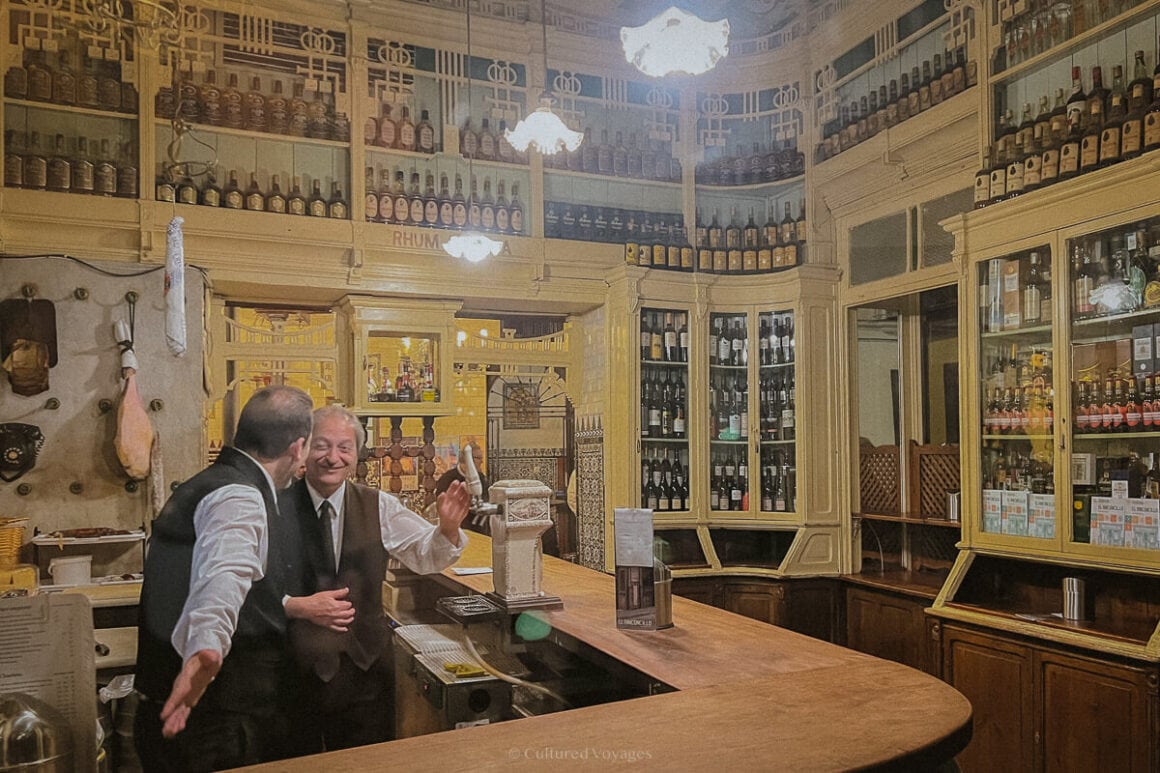
I’d be included to say that it does a little. In July and August the heat will slow you down whether you planned for it or not, so add a day to whatever you’d otherwise allow, or accept that you’ll be indoors for the middle of it.
In winter the days are shorter, but everything is quieter and easier to book, so three days goes further than it does in April.
Spring is the busiest and the loveliest, and if your dates fall near Semana Santa or Feria de Abril you’ll want an extra day for the disruption alone.
For the full picture of the quiet season, I’ve written about Seville in winter in detail.
How many days do you need in Seville: FAQ
Is one day enough for Seville?
One day is a whirlwind, and I wouldn’t plan it by choice. You can explore the iconic landmarks such as the Cathedral, Alcázar, and Plaza de España, but the tight schedule won’t leave much room for leisurely tapas lunches or sunset strolls by the Guadalquivir.
One day is just enough to scratch the surface and will likely leave you yearning for more. You will definitely need to prioritise and spend your time wisely!
Is 2 days enough for Seville?
Two days in Seville strike a comfortable balance, offering enough time to visit the major attractions without feeling rushed. This duration allows for a deeper exploration of the city’s heart, including leisurely meals, a flamenco show, and perhaps a visit to a museum or two.
It’s an ideal timeframe for those wanting to experience Seville’s highlights while still having some moments of relaxation.
Is 3 days in Seville too much?
Not too much, no, though it isn’t as generous as it sounds. Three days covers the headline sights comfortably: the Alcázar, the Cathedral, Plaza de España, Las Setas, Santa Cruz and Triana. What it won’t cover is everything. You’ll be choosing between the smaller palaces and keeping enough loose time to wander the neighbourhoods properly, and you’ll only manage one food market and a handful of tapas bars.
Three days is the minimum I’d recommend. Four is what I’d actually book.
With three days, you can enjoy a more relaxed pace, explore into the city’s artistic side, and do something immersive like a food tour.
Is 4 days in Seville too long?
Four days in Seville might feel extensive for those focused solely on ticking off major tourist sites. However, it’s a perfect duration for travellers seeking to experience Seville’s lifestyle deeply. With four days you can slow right down: markets in the morning, long lunches, and evenings that start when the locals’ do rather than when you’re hungry.
It also allows for you to take a full-day excursion to nearby towns or natural parks, or somewhere like the city of Cordoba, making it an excellent choice for those wishing to blend city exploration with the beauty of the Andalusian countryside.
How many days in Seville and Granada?
For a fulfilling experience of both Seville and Granada, I would recommend a minimum of 5 or 6 days. Allocate 3 days for Seville to soak in its architectural splendour and lively culture, as well as time to travel to Granada.
Then, dedicate 2 to 3 days for Granada, ensuring ample time to explore the Alhambra, Generalife, and the Albaicín district. This division allows for a well-balanced exploration of both cities’ unique offerings, and they’re different enough that the comparison is worth making.
There’s definitely a difference between both cities, and spending at least a couple of days in each will allow you the proper time to be able to compare and contrast accordingly.

Before you go
Everything I check before a trip now lives on one page.
Seven shifts I run on every trip I plan, each one paired with the story that taught it to me and the steps for using it yourself — built to be printed, kept, and pulled back out before the next one.
It arrives when you join The Cultured Voyages Edit, a fortnightly letter on European cultural travel.
So, How Many Days in Seville?
Three is the minimum I’d recommend. Four is what I’d personally book, however.
Two days works and you won’t feel cheated, but both of them will go on the four things everybody sees. A third day gets you Triana, a food tour and one of the smaller palaces, and then you’re trading: secondary sights against the loose, unplanned hours that Seville rewards more than almost any city I know.
Four days removes the trade-off entirely. Five to seven lets you add day trips, or slow the whole thing down until you’re going back to the same bar for the third time and the barman has stopped asking what you want.
I lived here for two months and left wanting longer, so factor in my bias. But the fourth day is the one I’d fight for.
Three guides for the next stage of planning:
- 2 Days in Seville Itinerary – the day-by-day version if you’ve settled on a short trip
- Best Things to Do in Seville – thirteen picks, with what to prioritise if your time is tight
- The Perfect Andalucía Itinerary for 7, 10 or 14 Days – if your answer turned out to be more than four days
Related reading for SEVILLE


Like this post? Please share or save for later…