Cultural travel / City by city
Cultural Cities & Historical City Breaks in Europe
A city is worth getting to know beyond its most famous view.
A church, a market, the neighbourhood you choose to stay in – each can tell you something different about a place. These European city guides bring the practical planning and the cultural context together, drawing on repeat visits and longer stays, including months in Florence, Palermo and Seville.
Find your next city
Cultural cities in Italy
Start with what interests you most: Renaissance painting in Florence, the history of the Venetian Republic, or the ancient sites of Rome and Naples. Palermo and Siena offer their own distinct architecture, food and civic traditions. The guides below help you give each city a visit that suits it.
01 / City guide
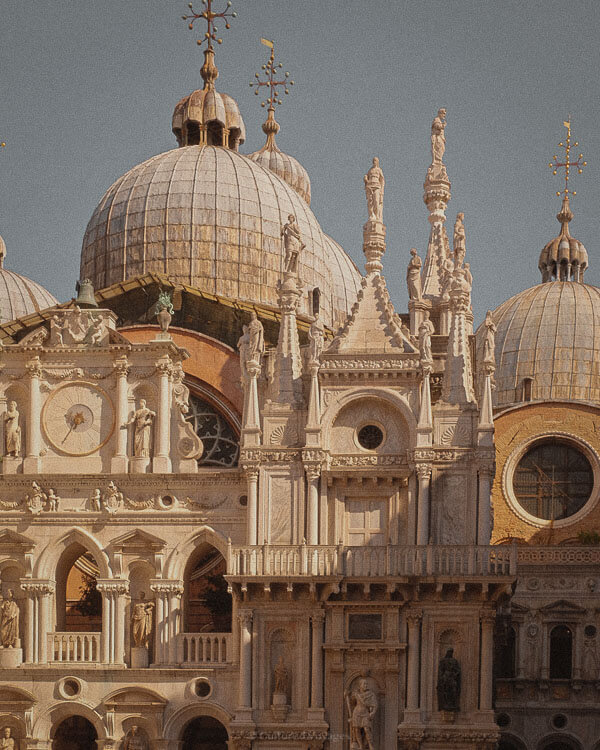
Venice
A maritime republic, seen from the water
Venice’s palaces, paintings and churches reflect a city whose wealth came from the sea. Start with the Doge’s Palace and St Mark’s Basilica, then make room for a museum or a walk through Cannaregio. The practical guides below cover the decisions that can make a real difference to a visit, from when to come to how to arrive.
- Maritime history
- Art & museums
- Neighbourhood life
Guides for your visit


02 / City guide
Florence
Renaissance art and life beyond the galleries
The Medici and the artists they supported are central to Florence, but there is plenty to enjoy around the major collections too. A month living here gave me time for the markets and neighbourhood restaurants as well as the museums. Use these guides to plan the visits you care about, with room to explore Sant’Ambrogio and the streets south of the Arno.
- Renaissance art
- Civic history
- Neighbourhood food
Guides for your visit


03 / City guide
Rome
Ancient sites, church art and neighbourhood evenings
Rome can easily fill a day with a single archaeological site or museum. It helps to decide which visits matter most before building a route around them. The Forum and Colosseum give you one part of the city’s history; its churches, piazzas and neighbourhood streets add others. These guides help you balance those larger visits with time on foot.
- Ancient history
- Churches & collections
- Neighbourhood walks
Guides for your visit


04 / City guide
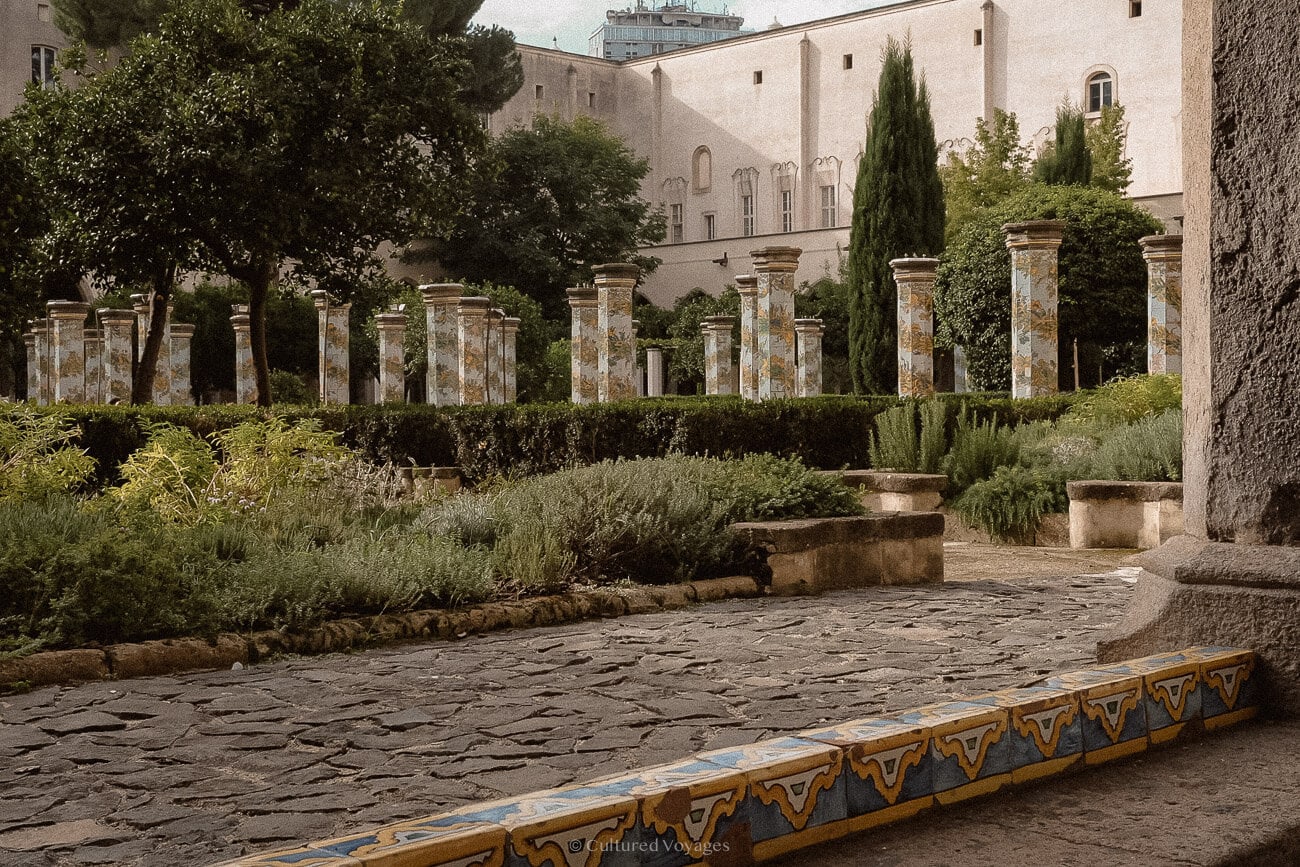
Naples
Greek foundations, Bourbon palaces and street food
Naples has enough to warrant a stay before you head for the islands or coast. Its archaeological collections, churches and underground sites draw on a history that stretches from the ancient Greek city to Bourbon rule. Leave time between visits for the food too: the bakeries, markets and pizzerias are a substantial part of getting to know the city.
- Layered history
- Underground heritage
- City life
Guides for your visit


05 / City guide
Palermo
Arab-Norman architecture and Sicilian markets
Palermo’s churches bring together Norman patronage, Byzantine mosaics and the work of Islamic craftsmen; its markets offer another way into Sicily’s history. During a month here, I had time to return to both. The guides below help you choose between the major sights, smaller collections and neighbourhoods, whether you have a day or a longer stay.
- History & architecture
- Neighbourhoods
- Sicilian food
Guides for your visit


06 / City guide
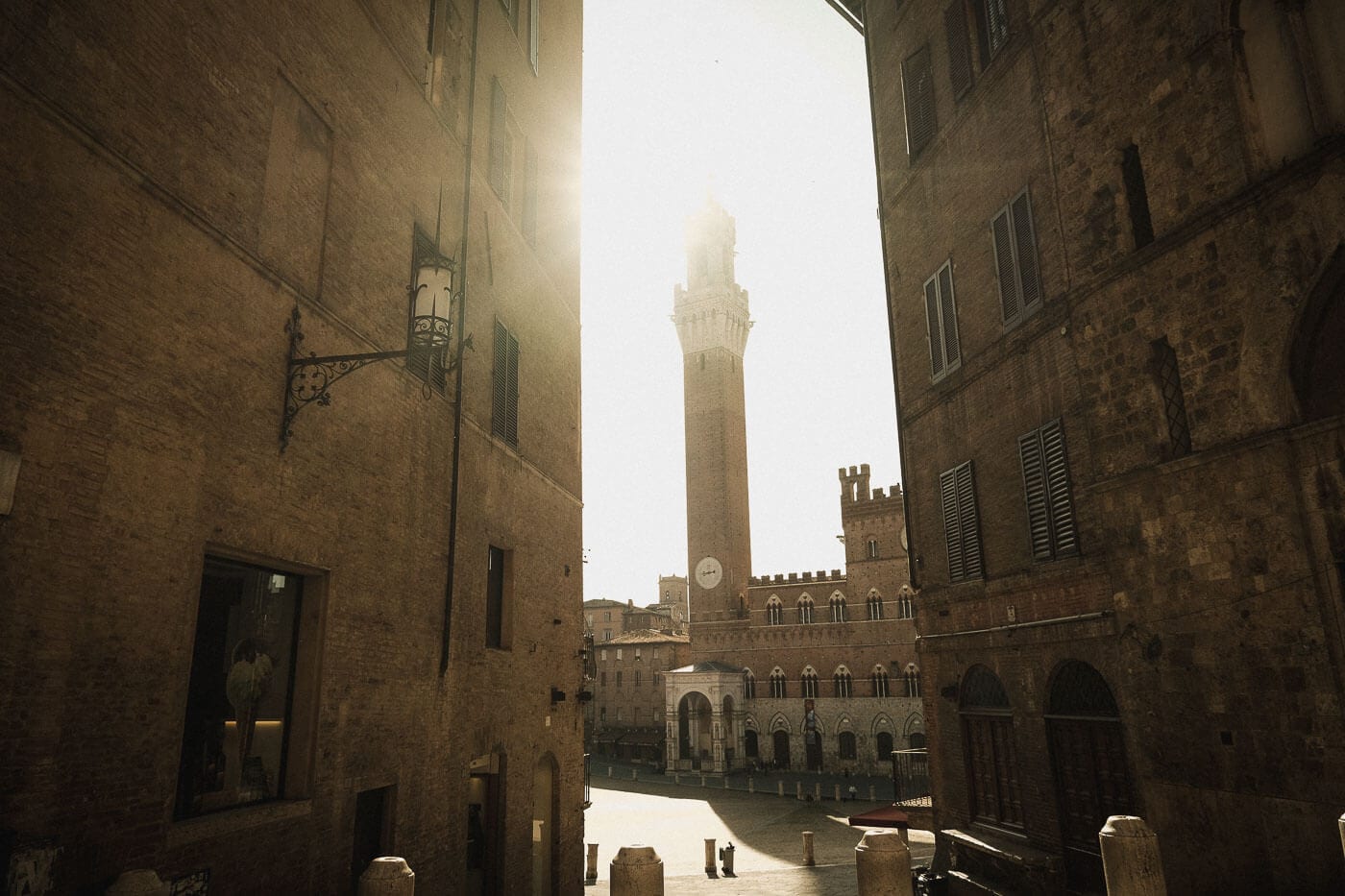
Siena
Medieval civic pride, in brick and marble
Piazza del Campo and the cathedral make Siena immediately recognisable, but its contrade – the city’s historic neighbourhoods – give those monuments a living context. My guide draws on two stays and brings together the cathedral complex, civic history and places to eat, with advice for planning a day in the city.
- Medieval civic power
- The Campo
- Tuscan hill towns
Guides for your visit

Cultural cities in Ireland
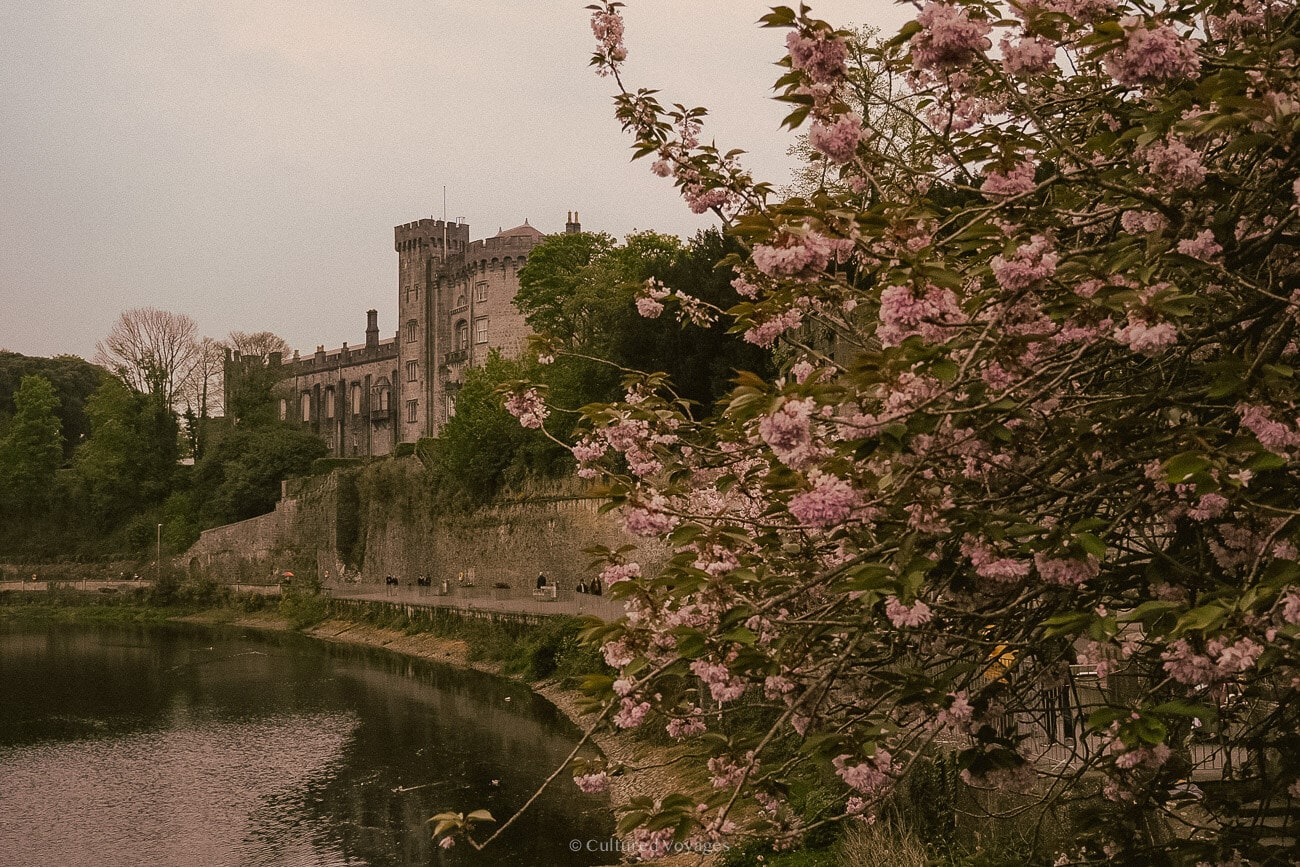
My home country offers plenty of reasons for a city stay. Dublin brings together literary history, national collections and Georgian streets; Kilkenny, my home city, has a medieval centre where the castle, churches and old merchant houses sit close to everyday life.
07 / City guide
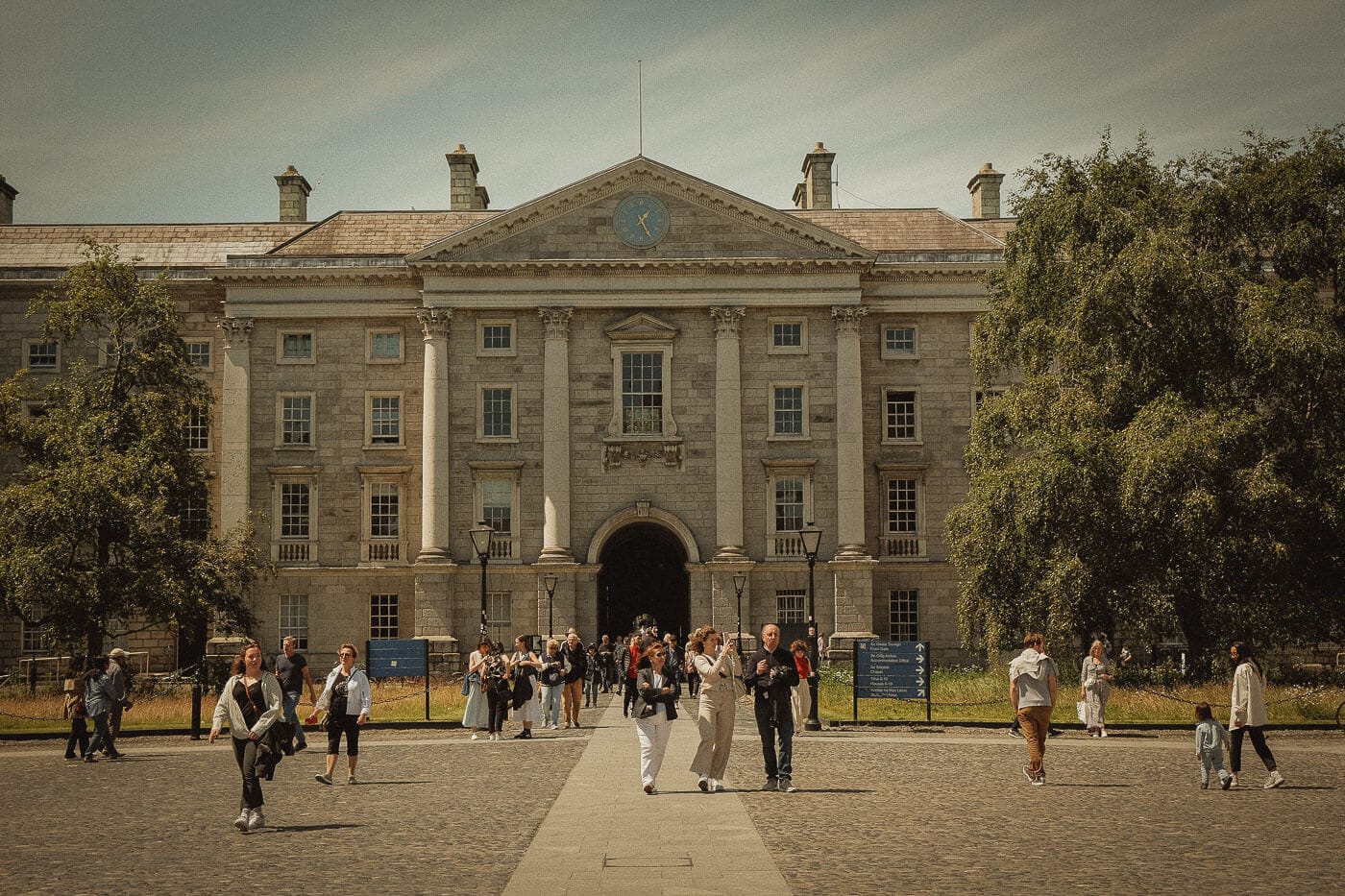
Dublin
Literary history, Georgian streets and national collections
Dublin’s museums and galleries offer a good introduction to Ireland, while its Georgian squares, theatres and pubs give you reasons to stay out beyond the museum doors. These guides look at what the capital offers, including the practical trade-offs of visiting and how the experience changes in winter.
- Literary history
- Georgian architecture
- Coastal escapes
Guides for your visit


08 / City guide
Kilkenny
A medieval city I know as home
Kilkenny is my home city, so the castle and medieval streets are places I know through ordinary days as well as visits. Follow the Medieval Mile towards St Canice’s Cathedral, with time for the old merchant houses, shops and places to eat along the way. My guide weighs up what a stay here offers and the things to consider before choosing it.
- The Medieval Mile
- Castle & cathedral
- Craft and food
Guides for your visit

Cultural cities in France
In Provence, Avignon and Arles make rewarding city bases as well as places to visit in their own right. Look to Avignon for papal history and its smaller art collections, and to Arles for Roman monuments, photography and the places associated with Van Gogh.

09 / City guide
Avignon & Arles
Papal Avignon and Roman Arles
The Palais des Papes explains why Avignon became so influential in the fourteenth century. Its smaller museums, markets and streets were just as much a part of my month living here. Nearby Arles offers a different emphasis: Roman monuments, Van Gogh associations and photography. Use the guides below to decide how much time to give each city.
- Papal history
- Roman Arles
- Provençal light
Guides for your visit


Cultural cities in Spain
Seville and Granada share an Andalusian setting, but their histories make for quite different visits. The Real Alcázar and the Alhambra are good starting points; leave room too for the neighbourhoods, food and gardens around them.

10 / City guide
Seville
Mudéjar palaces, neighbourhood tapas and flamenco
Seville’s Real Alcázar, cathedral and former trading wealth give you plenty to explore, but two months living here also gave me an attachment to its neighbourhood life. Allow time for Triana or Alameda alongside the larger visits, and let the food be part of how you get to know the city. These guides help with both the sights and the shape of your stay.
- Palaces & heritage
- Tapas
- Neighbourhood life
Guides for your visit


11 / City guide
Granada
The Nasrid city and the streets of the Albaicín
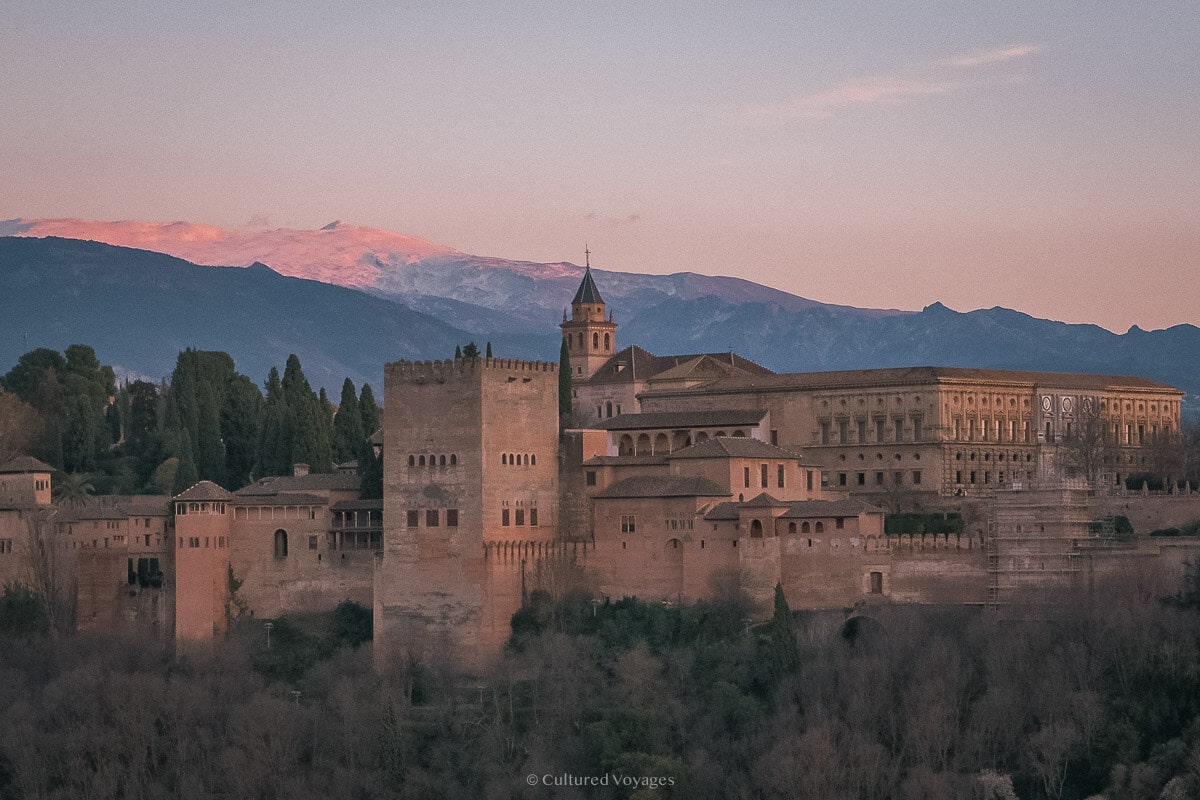
The Alhambra deserves careful planning, from choosing your ticket to allowing enough time for its palaces and gardens. Across the valley, the Albaicín’s steep lanes and viewpoints help you understand the setting. These itineraries bring the two together with Granada’s cathedral, neighbourhoods and places to pause between visits.
- Nasrid Granada
- The Albaicín
- Tapas culture
Guides for your visit


Cultural cities in Portugal
Porto and Lisbon both grew around rivers and trade. Their architecture, tiled façades and food give you plenty to explore on foot, while the hills make your choice of neighbourhood worth thinking through before you book.

12 / City guide
Porto
Port wine, azulejos and a city built around trade
Porto’s tiled churches and merchant buildings make more sense when you consider its long history of trade. The Palácio da Bolsa and the port lodges across the Douro offer two ways into that story. Between them are steep streets, markets and neighbourhood restaurants; the guides below help you choose a route and decide how long to stay.
- Port wine
- Baroque and tile
- Riverside architecture
Guides for your visit


13 / City guide
Lisbon
Hillside neighbourhoods and a maritime past
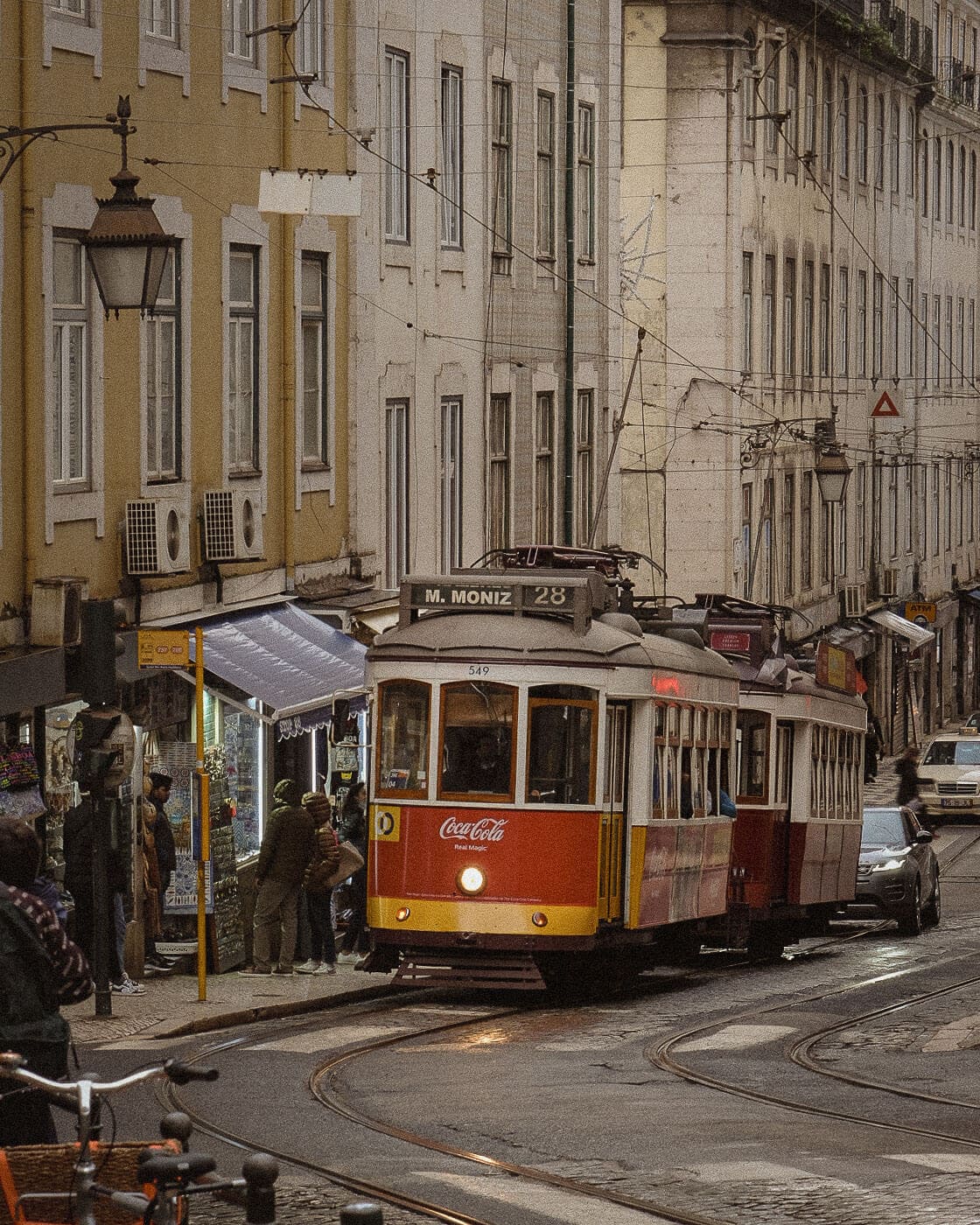
Lisbon’s neighbourhoods are an important part of planning a visit: a map can make distances look deceptively easy until the hills intervene. Combine time in Alfama and the central districts with a visit to Belém for its maritime history and Manueline architecture. The guides below cover a first itinerary and the different considerations of a winter stay.
- Azulejo tilework
- Miradouros
- Neighbourhood contrasts
Guides for your visit


Cultural cities in Belgium
14 / City guide
Ghent & Bruges
Two Flemish cities shaped by medieval trade
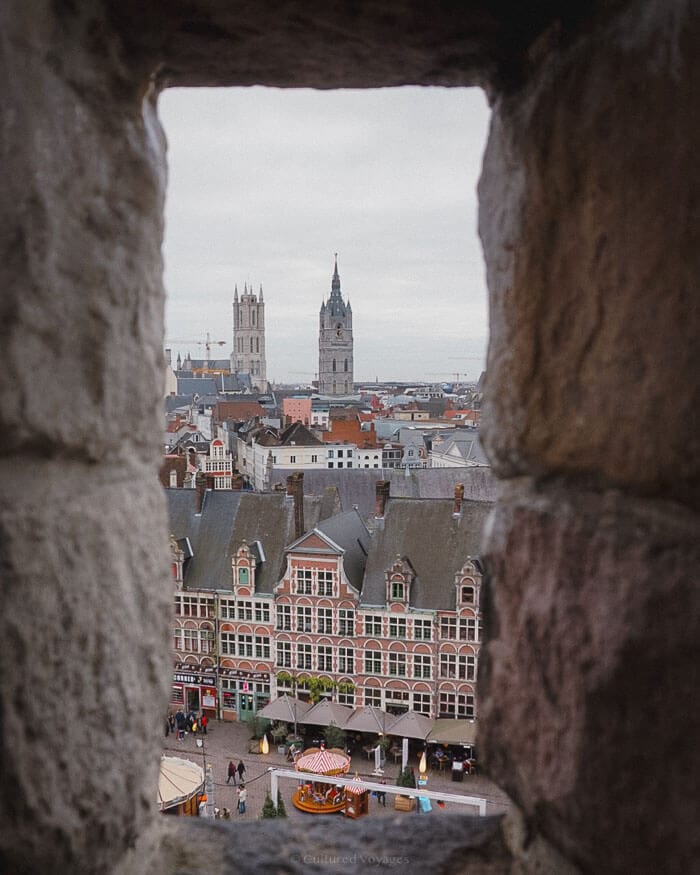
Ghent’s castle, towers and riverfront guild houses give you a sense of the wealth that textiles brought to Flanders. Bruges has its own trading history to explore through canals, churches and paintings. Begin with the Ghent city guide or the Bruges Christmas guide, depending on where and when you want to travel.
- Flemish medieval wealth
- Canals
- Christmas markets
Guides for your visit


Cultural cities in Germany
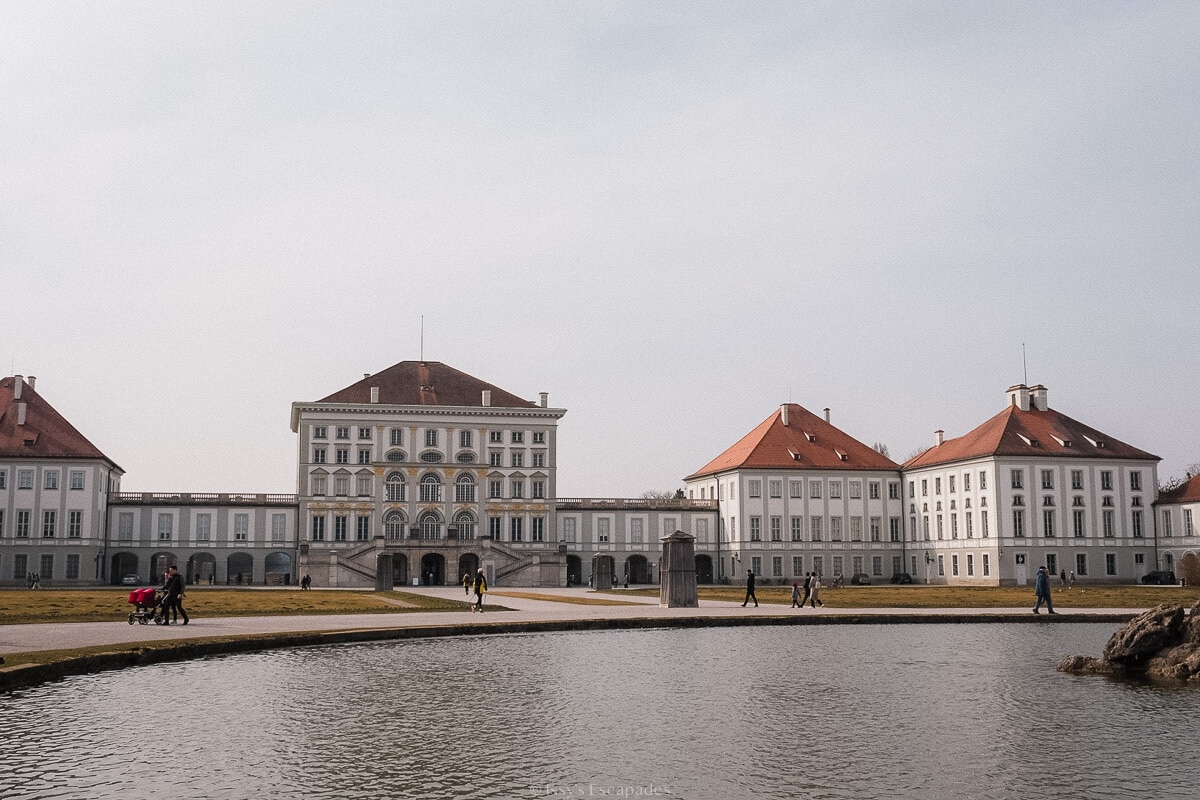
15 / City guide
Munich
Royal collections and Bavarian city life
Munich’s royal past is visible in its palaces and art collections, from the Residenz to the Alte Pinakothek. Balance those larger visits with time around the Viktualienmarkt or in the Englischer Garten. The two-day guide gives you a starting itinerary, with food stops and practical advice for fitting the different parts of the city together.
- Wittelsbach Munich
- Museums & galleries
- Bavarian food
Guides for your visit

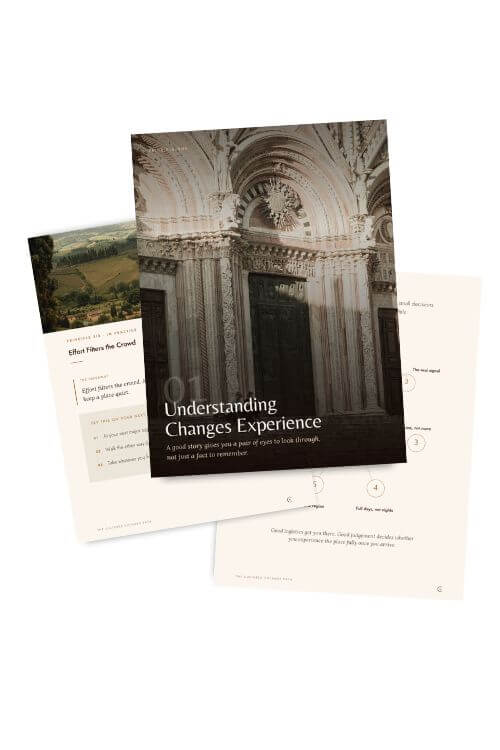
The Cultured Voyages Edit
Bring a little more context to your next city visit
A palace can tell you who held power; a market can tell you what the surrounding land provides. A little context helps you choose where to spend your time and gives you more to notice when you get there.
The Art of Understanding Places brings together seven principles, each with the travel experience behind it and something to try for yourself. Get the guide free when you join The Edit, my fortnightly letter on how we see and experience travel.
Join The Edit