Disclosure: Some of the links on this site are affiliate links. If you make a purchase through one of them, I may earn a small commission at no extra cost to you. Read my full disclaimer here. Thank you for your support!
When you search for the best European cities to visit in winter, the same names always appear: Vienna, Prague, Budapest…
Beautiful, yes – but also crowded, commercialised, and increasingly overrun with tourists at Christmas time. If you’d rather avoid the “basic” winter checklist and experience a quieter, more cultural side of Europe, this guide is for you.
Over the years, I’ve celebrated New Year under Seville’s orange trees, wandered Granada’s Alhambra with snow on the Sierra Nevada behind it, and sipped tawny port in a Porto wine lodge while rain blurred the river outside.
I’ve also discovered that even the big hitters – places like Rome and Venice – feel entirely different in winter.
They may be famous cities, but in this context they become alternative winter destinations in Europe, offering atmosphere you won’t find in peak season. The crowds thin, the atmosphere sharpens, and you get space to notice details you’d usually miss.
There’s another reason to travel this way, too: it’s more responsible.
Visiting these cities in the colder months takes pressure off destinations buckling under summer tourism, while rewarding you with lower hotel rates, shorter queues, and a chance to enjoy neighbourhoods at a more human pace.
In this post, I’ll share the underrated alternatives to Europe’s usual winter hotspots – some globally famous, some more unexpected.
For each city, you’ll see why winter works so well there, what cultural highlights to experience, and where to stay. Think of it as your guide to cultural, atmospheric city breaks that reveal Europe at its most rewarding.
Table of Contents Show
Seville in Winter: Blue skies and orange trees
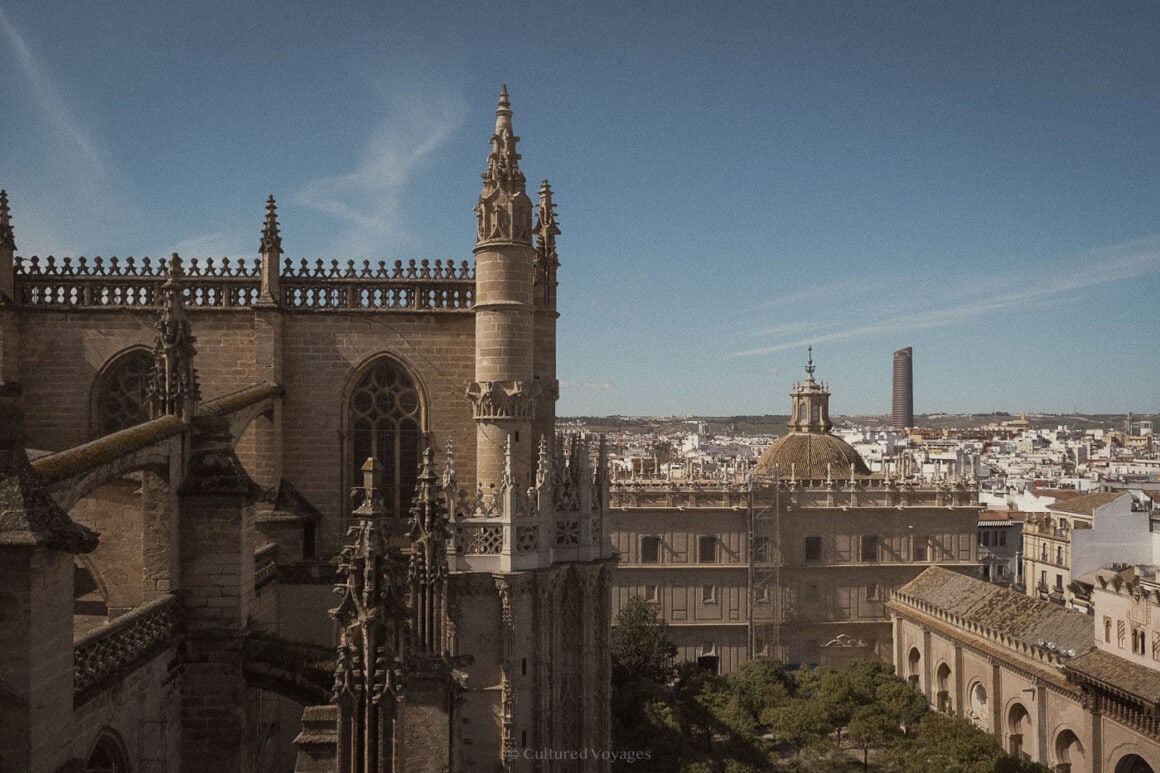
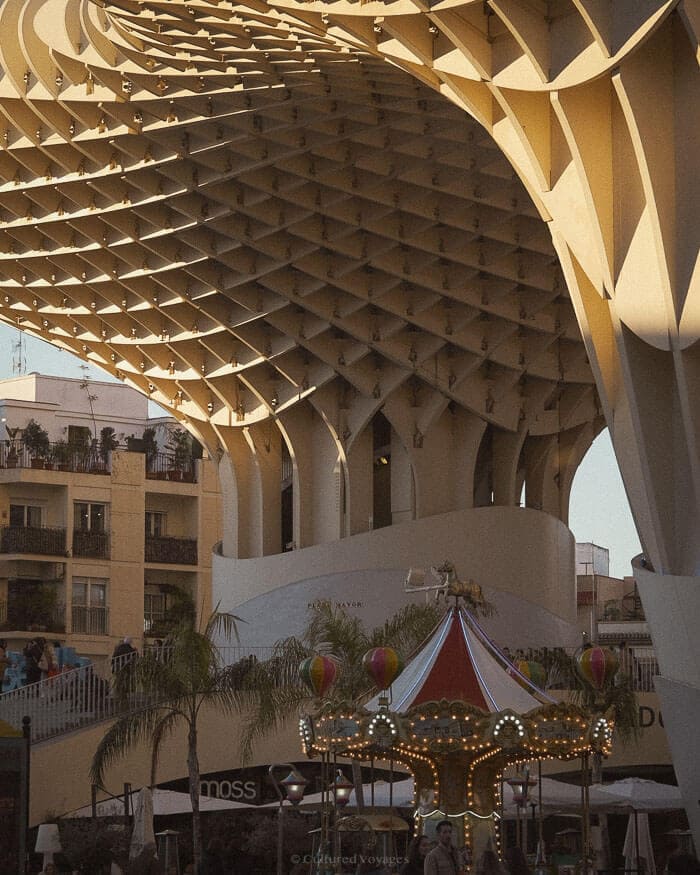
Seville is one of the most surprising alternative winter destinations in Europe, offering sunshine, tapas and authentic neighbourhood life even in January.
The first time I came was over New Year, and I loved it so much that I returned for two full months, from January into early March.
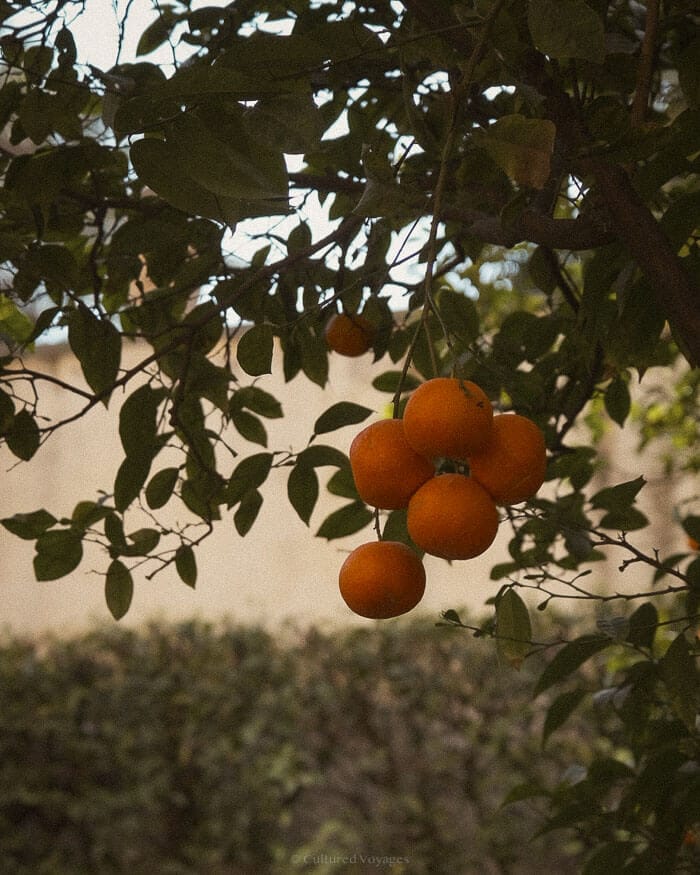
I’d expected grey days and empty streets, but instead I found blue skies, orange trees heavy with fruit, and afternoons warm enough to sit outside with a glass of wine. The mornings could be crisp – cold enough to see your breath – but by midday the city came alive in sunshine and 16–18°C warmth.
What struck me most was how authentic the city feels in winter.
Without the crush of tour groups, you notice the everyday life of Sevillanos: neighbours greeting each other at market stalls, families spilling into the plazas on weekends, stylish older women wrapped in coats on their way to the shops.
The icons are still here – the Cathedral, La Giralda, the Alcázar, Plaza de España – but in winter you can actually take your time with them. I remember booking Cathedral and Alcázar tickets just a couple of days ahead in January, something unthinkable in peak season.
Evenings in Seville are made for food and flamenco. Winter tapas are hearty and comforting – pork cheeks braised in wine, garlicky lentil stews, churros with thick hot chocolate.
On my very first morning I joined the Devour Tastes & Traditions food tour, wandering markets, sampling jamón, and sitting down for tapas with a glass of sherry. It set me up for the weeks ahead, teaching me what to order and where to eat.
Flamenco also feels particularly intense in winter: stepping in from the cold night air to a small, heated tablao makes the performance hit even harder.
And in winter, even the hotels feel like part of the experience. At Casa Romana Hotel Boutique in La Alameda, I had leafy courtyards and a rooftop terrace for less than €200 total for two nights.
At the splurge end, Hotel Casa 1800 Sevilla will give you ornate beds, wooden beams, and a rooftop terrace with sweeping Cathedral views – for half of what you’d pay in spring.

Want more details?
My full Seville in Winter guide shares pros and cons of visiting, weather and packing tips, seasonal food highlights, plus the best things to do and hotels at winter rates.
✨ Plan Your Winter Stay in Seville
- 🛏️ Top Pick: Hotel Casa 1800 Sevilla – A boutique splurge with ornate beds, wooden beams, and Cathedral views.
🎟️ Don’t Miss: Cathedral & Alcázar Tour – The best way to enjoy Seville’s two icons without peak-season queues.
Granada in Winter: Alhambra views and the Sierra Nevada under snow
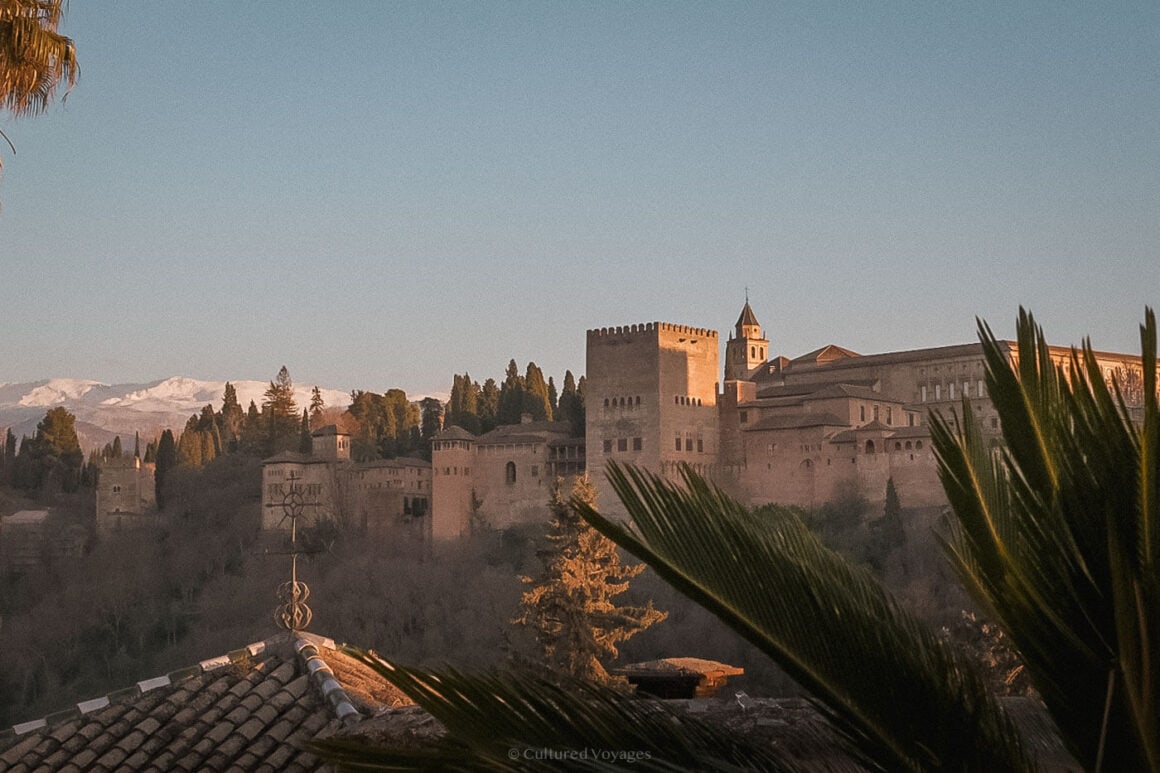
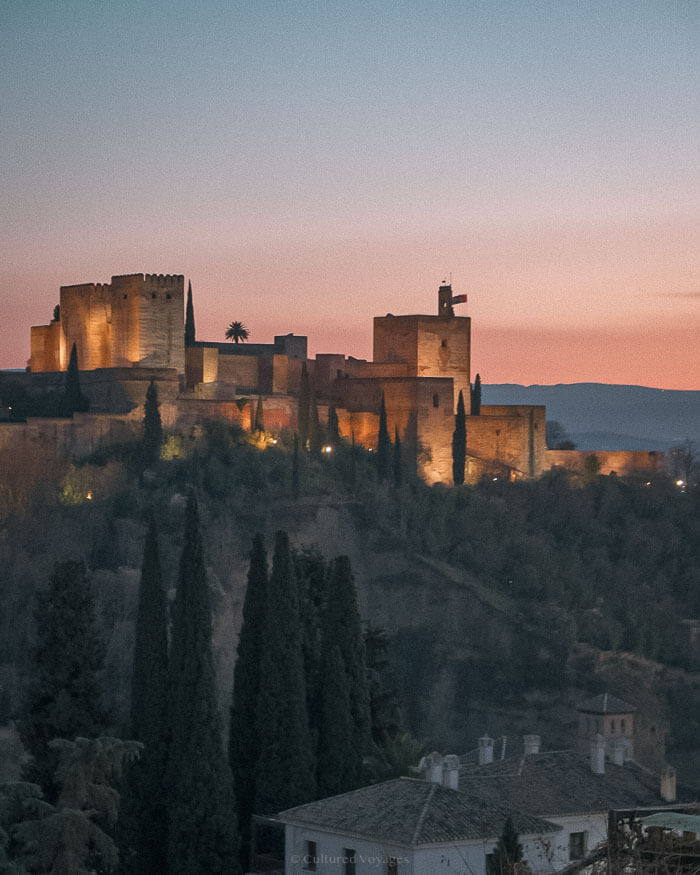
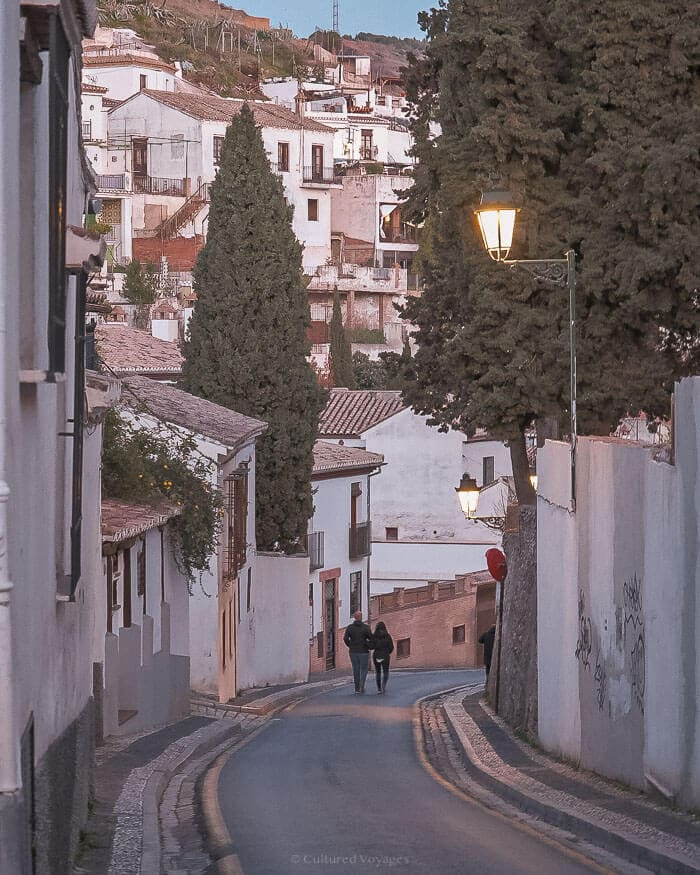
Granada in winter feels like stepping through a portal into another world. The air is sharper here than in Seville or Córdoba, and from almost any corner of the city you can glance up to the snowy Sierra Nevada.
A Cultured Voyages Guide
Seven shifts that take you from sightseeing to actually understanding a place – the same ones I use on every trip I plan.
On my January trip, I remember standing on the towers of the Alhambra, cheeks stung red from the cold, with the city spread out below and the mountains glowing white in the distance – it’s a view that makes you forget that in summer this same place bakes in 40°C heat.
Winter strips back some of Granada’s crowds and adds a rugged, almost frontier-like atmosphere.
The Alhambra is still busy, of course, but far more manageable than in peak months – and you can actually stop and take in the intricate courtyards of the Nasrid Palaces without feeling rushed along.
In the Albaicín, the light in winter is golden and clear, perfect for wandering the tangle of cobbled streets before climbing up to Mirador de San Nicolás for sunset.
One of my favourite ways to experience this neighbourhood was on a guided evening walking tour that ended in the caves of Sacromonte after dark, with the Alhambra glowing across the valley.
Evenings are for food, and in Granada, that means tapas. This is one of the last cities in Spain where tapas still come free with your drink.
In January, I found myself squeezed into the legendary Bodegas Castañeda, hovering at the bar while wine was poured from barrels stacked behind the counter, and generous plates of stews and croquetas appeared with every round. It’s noisy, chaotic, and very Granada.
And in winter, hotels can be a real treat for the price.
Hotel Casa 1800 Granada has gilded beds, chandeliers, and Albaicín views at a fraction of summer rates. Villa Oniria, set in a 19th-century manor house, has a fountain courtyard and a glass-roofed atrium that felt especially cosy on cold evenings.
I still remember staying under the eaves, with skylights bringing in the winter light. And the Hotel Alhambra Palace, right beside the fortress gates, is as atmospheric as it sounds, with its Moorish arches and sweeping views.
For me, Granada is one of the most rewarding winter cultural breaks in Europe, with its mix of Moorish architecture, tapas culture and mountain views.
Want more details?
My full Granada in Winter guide covers everything from what to wear to the best winter tapas bars, alongside cultural highlights, things to do, and hotel recommendations.
✨ Plan Your Winter Stay in Granada
- 🛏️ Top Pick: Hotel Casa 1800 Granada – Chandeliers, Albaicín views, and winter rates you won’t believe.
- 🎟️ Don’t Miss: Albaicín & Sacromonte Evening Walking Tour – Atmospheric, ending in the caves with the Alhambra glowing across the valley.
Porto in Winter: Port wine lodges and mist over the Douro
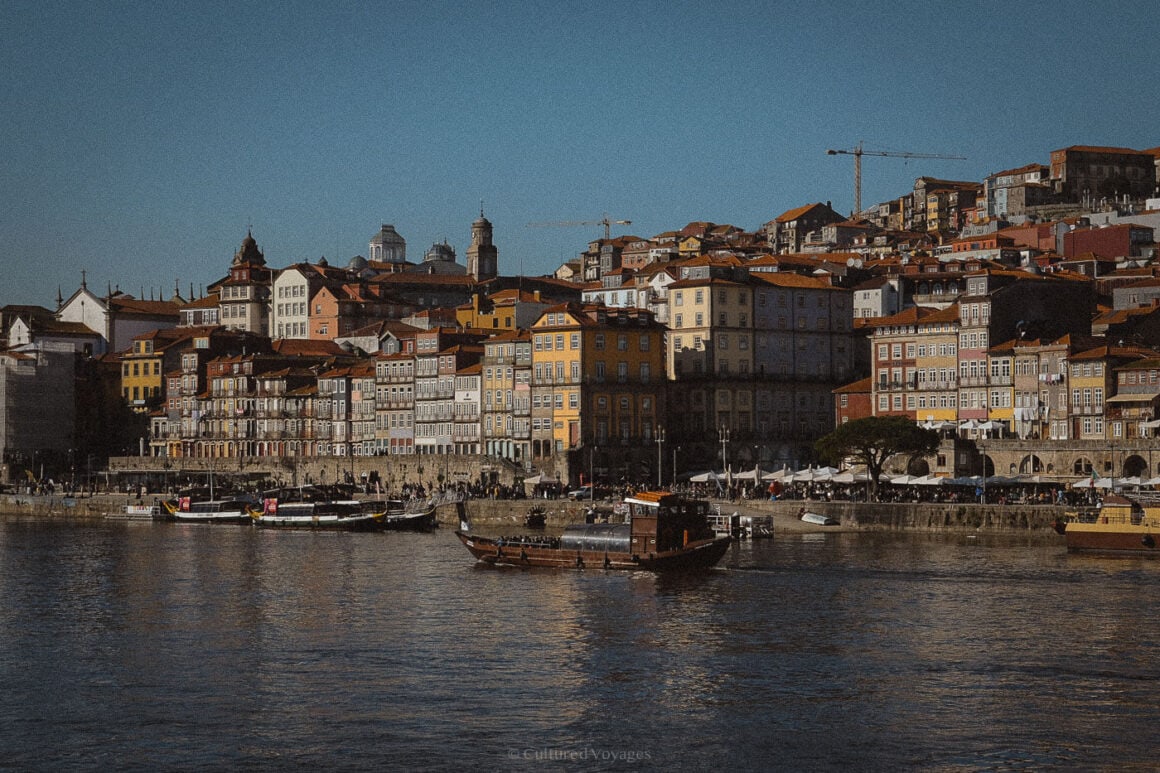
Porto was the first stop of my digital nomad journey, and arriving in early January gave me an instant soft spot for the city.
I remember stepping out onto the balcony of my apartment to see fog rolling low over the Douro, softening the bridges and tiled houses into watercolour. By midday, the mist had lifted into clear skies, and the city felt alive but not overwhelming – the perfect winter balance.
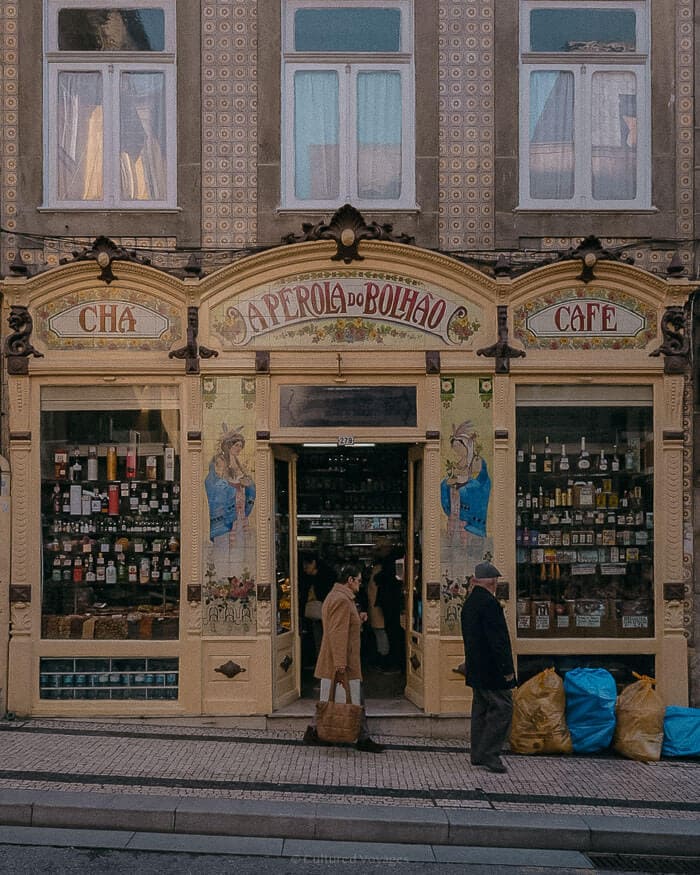
Winter suits Porto’s character. The tiled churches look sharper against a pale sky, cafés are busy enough to buzz without being jammed, and the port wine lodges feel tailor-made for rainy afternoons.
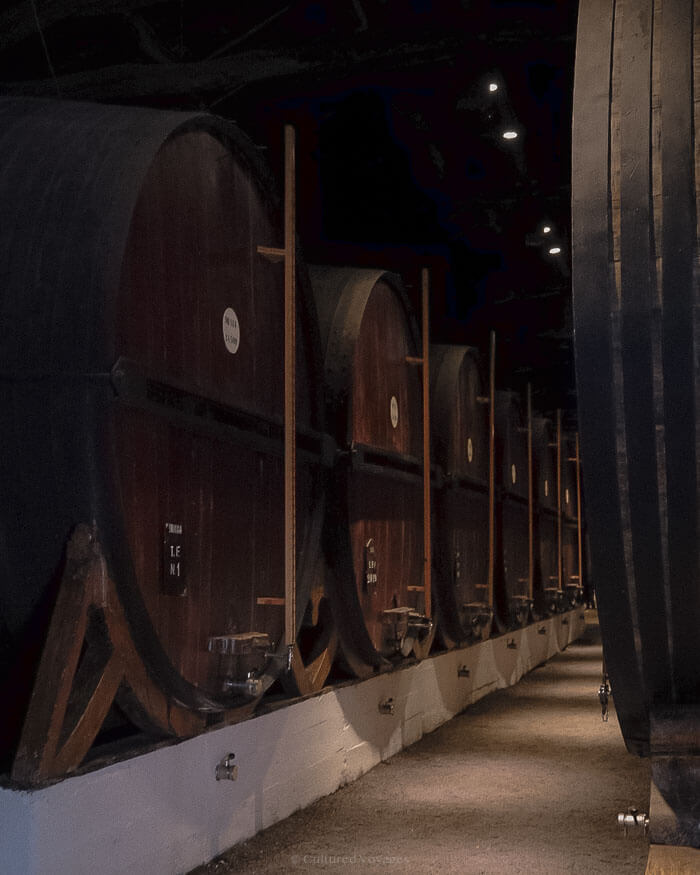
I toured Taylor’s on a damp day and found myself lingering far longer than expected, moving from the exhibits into the tasting room with nowhere else I’d rather be. Sipping a glass of tawny port while the river blurred outside is one of my favourite Porto memories.
Even outdoors, the city has its magic. Ribeira glows at sunset, the façades turning gold under low winter light, while across the bridge Jardim do Morro gives you sweeping views back over the river.
I also climbed the Clérigos Tower on a crisp January afternoon – cold enough to keep my hands jammed in my pockets between photos, but the views of terracotta roofs and the Douro glinting beneath a pale sky were worth it.
Winter is also the best time for hotels. At the Pousada do Porto – Rua das Flores, you can retreat to the cocoon of its sauna and indoor pool after damp days. The bold interiors of Torel Avantgarde look even cosier against grey skies.
And my own base – Rio & Sol, a Plum Guide apartment with vaulted ceilings and a terrace overlooking the Douro that was stocked with blankets – made winter mornings misty but magical.
Want more details?
My full Porto in Winter guide includes weather insights, what to pack, seasonal food and wine tips, plus hand-picked hotels and cultural highlights to enjoy on cooler days.
✨ Plan Your Winter Stay in Porto
- 🛏️ Top Pick: Torel Avantgarde – Bold boutique with sweeping Douro views, especially good value in January.
- 🎟️ Don’t Miss: Three-Cellar Port Wine Tour – Seven styles of port in historic lodges, capped at 12 guests for atmosphere.
🍇 Want to escape the city for a day?
The Douro Valley in winter is misty, tranquil, and atmospheric – perfect for slow travel. My Douro Valley in Winter guide helps you weigh up whether it’s worth visiting at this time of year, with tips on wine tastings, vineyard stays, and off-season travel logistics.
Lisbon in Winter: Steep streets, fado and tile-covered calm
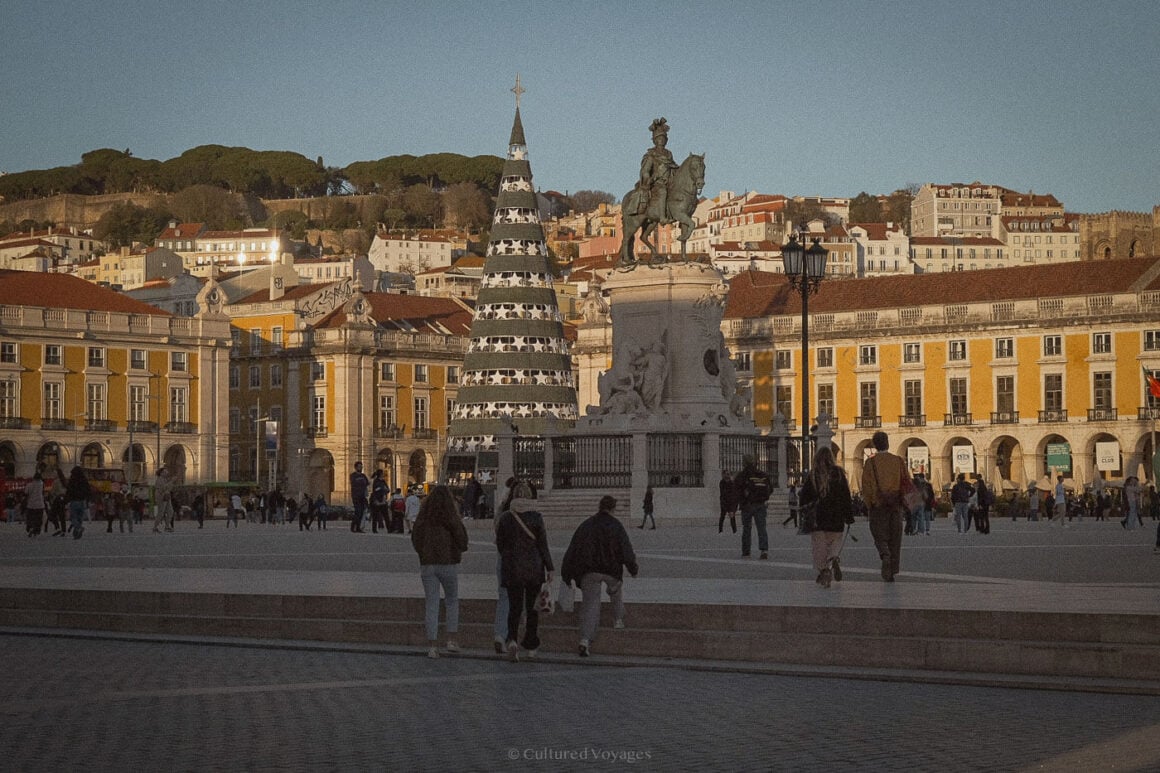
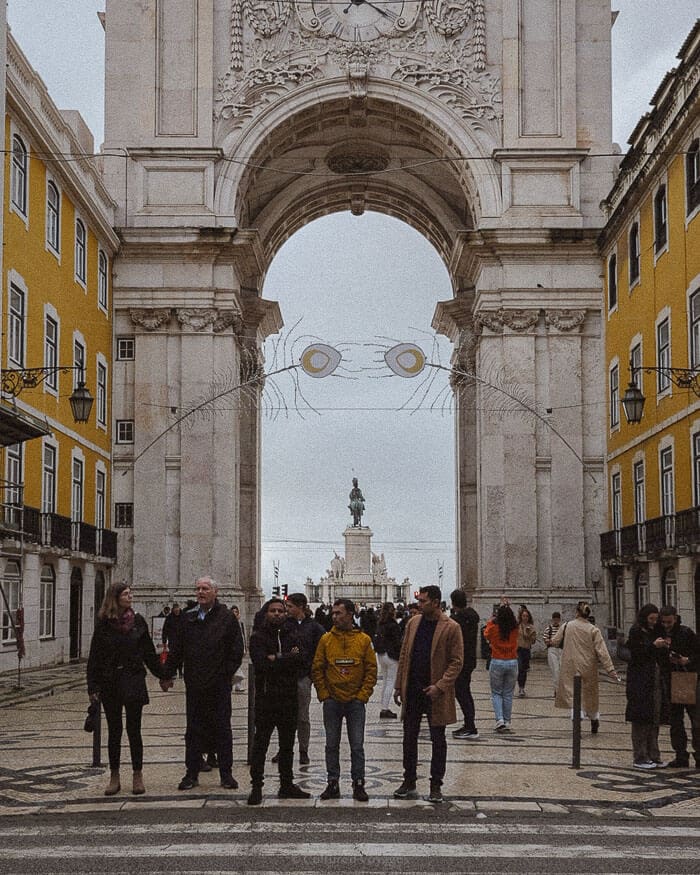
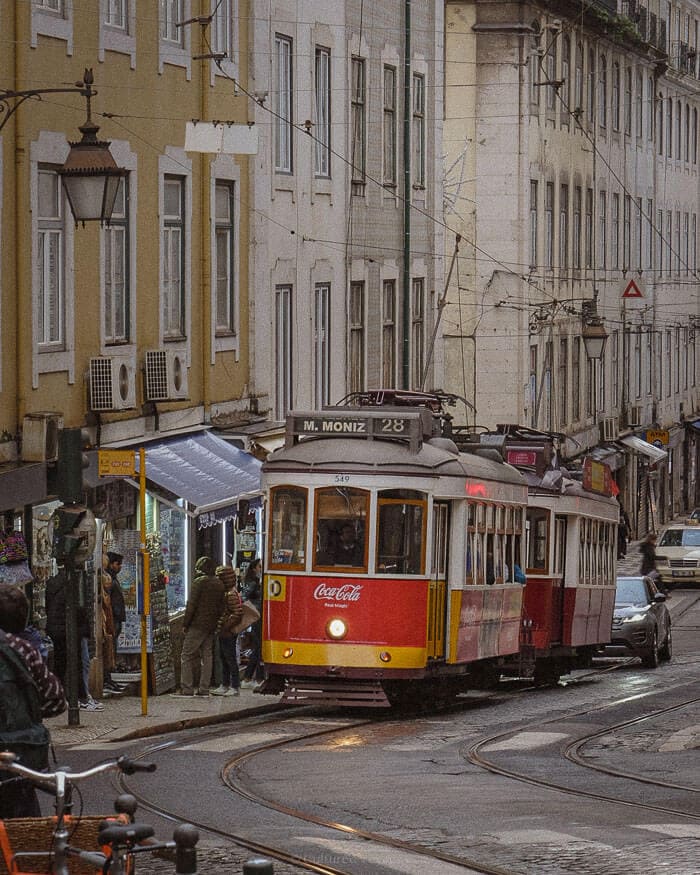
Lisbon is one of those cities that feels softer in winter. The steep hills are easier to climb without the glare of summer sun, the trams less packed, and even the viewpoints more contemplative under pale seasonal light.
There’s still a hum to the city – cafés busy with locals, chestnut sellers filling the streets with smoke – but the pace slows, and that’s what makes it special at this time of year.
Rain showers are part of the deal, but they make Lisbon’s indoor treasures even more rewarding.
The cloisters of the Jerónimos Monastery, the tiles at the National Azulejo Museum, and the modern galleries at the MAAT are all places you’ll want to linger in when the cobbles glisten outside.
And when the skies clear, views from the castle ramparts or the Santa Luzia terrace feel sharper for it.
Food fits the season, too. Caldo verde soup, grilled octopus, and of course pasteis de nata are warming in a way you don’t notice as much in summer.
Fado performances in Alfama take on an extra intensity on dark evenings, and day trips to Sintra feel almost otherworldly when the palaces loom out of the mist.
For hotels, I found winter rates surprisingly generous.
At Brown’s Central Hotel, I booked their Master Suite in January for a third of its May price. For a separate stay, Madalena by The Beautique Hotels, playful and design-led, came in around €126.
For a total splurge, Torel Palace Lisbon – spread across historic mansions on a hilltop – delivers panoramic views and a Michelin-starred restaurant at a rate far below what you’d pay later in the year.
Lisbon stands out among the best European cities in winter, with its hills, viewpoints and tile-covered façades softened by seasonal light.
Want more details?
My full Lisbon in Winter guide dives into the city’s pros and cons, weather and wardrobe advice, the best winter activities, cosy places to eat, and hotel picks.
✨ Plan Your Winter Stay in Lisbon
- 🛏️ Top Pick: Brown’s Central Hotel – Retro boutique with velvet interiors and a cosy winter bar.
🎟️ Don’t Miss: Lisbon Food Tour – From market snacks to neighbourhood taverns, the best way to spend a winter evening.
Venice in Winter: Fog, canals and quieter palazzi
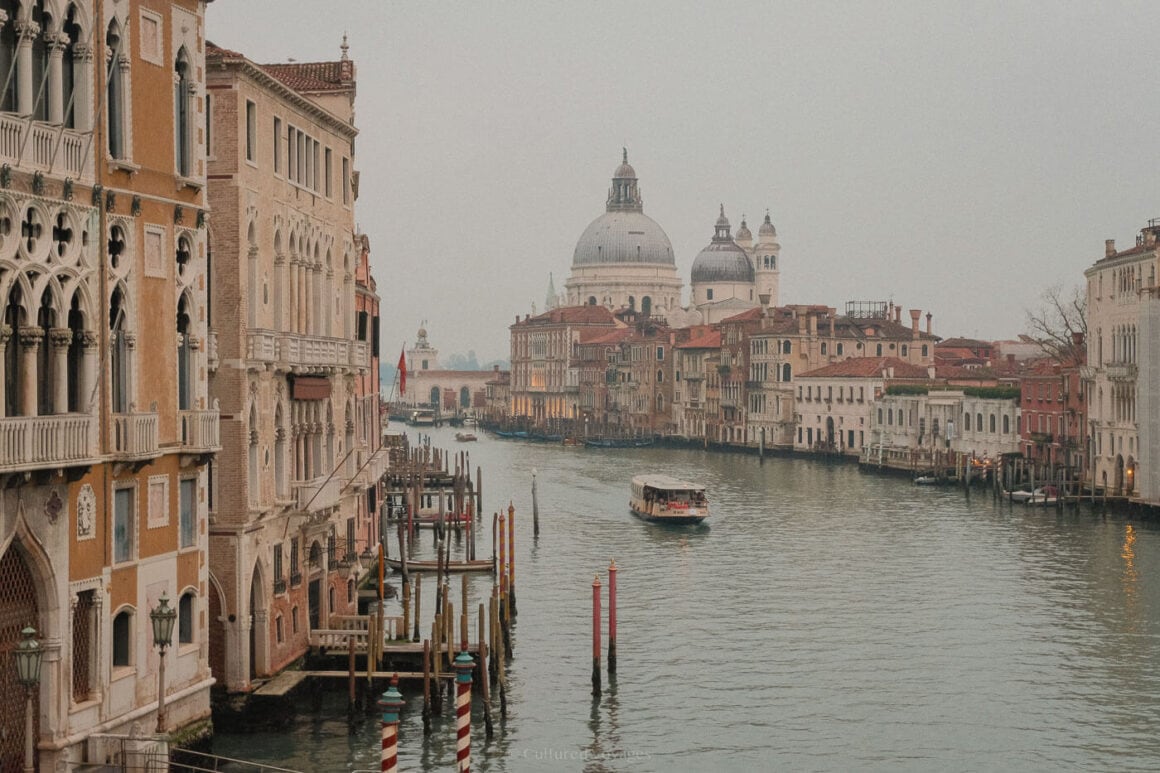
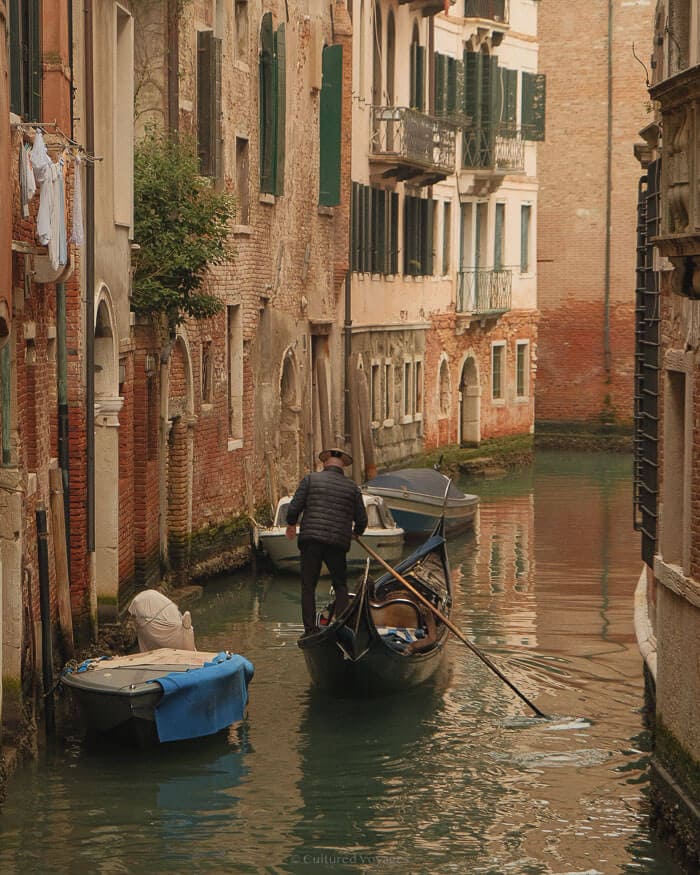
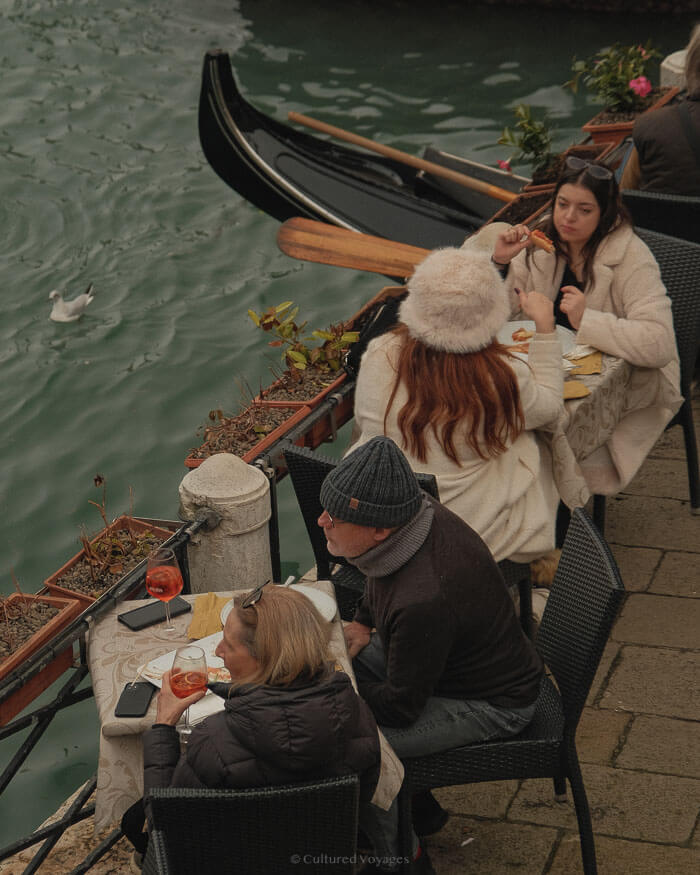
Venice in winter is a completely different city to the one most people imagine.
I’ve been in the height of summer, carried along on a tide of tourists, and I’ve been in January, when fog hung low over the canals and the sound of my own footsteps echoed off the stones.
Winter makes Venice feel more intimate, more authentic, and in many ways more magical.
Yes, it can be damp and cold – nights hovering around freezing, mist softening the outlines of the palazzi – and acqua alta is always a possibility. But those same conditions transform the city.
I visited the Museo Fortuny late one February afternoon and had the place virtually to myself. In St. Mark’s Basilica or the Galleria dell’Accademia, I could linger without being swept along by queues.
Even gondola rides will feel sharper and quieter in winter, with fewer boats jostling on the canals.
Daily life is easier to notice too: schoolchildren hurrying home, locals chatting in bacari, students gathering in Campo Santa Margherita with coats wrapped tight. It’s the kind of everyday rhythm that’s hard to see in July.
Food leans into the season as well. Cicchetti in wood-panelled wine bars, risottos, and warming plates of braised meat feel perfectly tuned to the damp chill outside.
One of my favourite winter dinners was at La Bitta in Dorsoduro – braised lamb in prosecco sauce, rich and comforting, with the room glowing in low light.
Hotels are another reward. Venice’s most atmospheric stays drop to a fraction of their summer rates.
I chose Novecento Boutique Hotel on my last trip, a small, family-run place layered with antiques and textiles, where I loved returning after a cold day to its warmth and character. For a splurge, The Venice Venice Hotel gives you soaring ceilings, chandeliers, and Grand Canal views – at winter prices that make it (almost) attainable.
Venice is one of the most romantic European cities in winter. A visit during winter there is all about slowing down and letting the local rhythm take centre stage – and you’ll see a side of the city most visitors never do.
Want more details?
My complete Venice in Winter guide shares weather and packing tips, seasonal food recommendations, the top cultural things to do, and boutique hotel picks at winter prices.
✨ Plan Your Winter Stay in Venice
- 🛏️ Top Pick: Novecento Boutique Hotel – Family-run and characterful, perfect for winter evenings.
- 🎟️ Don’t Miss: St. Mark’s Basilica & Doge’s Palace Tour – Quieter in winter, but still best booked in advance.
Rome in Winter: Ancient sites without the summer crowds
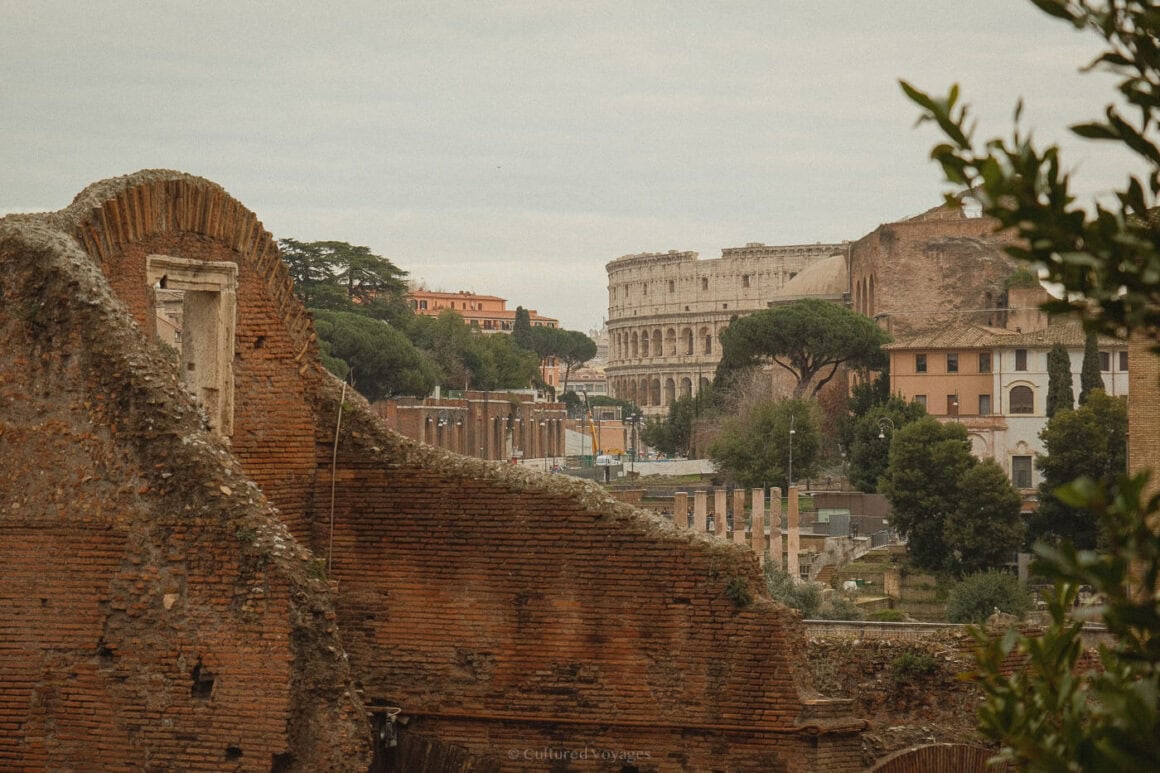
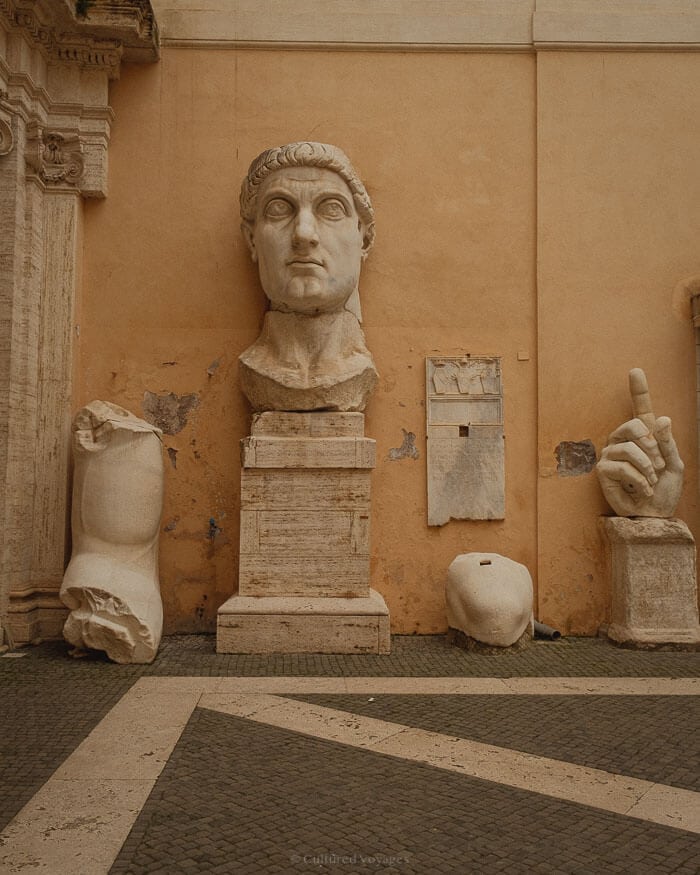
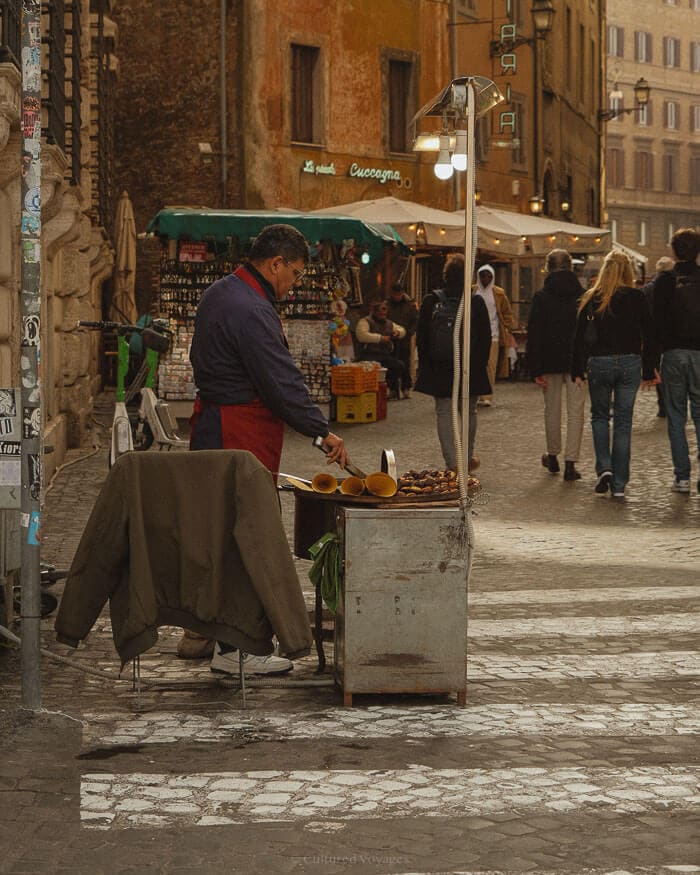
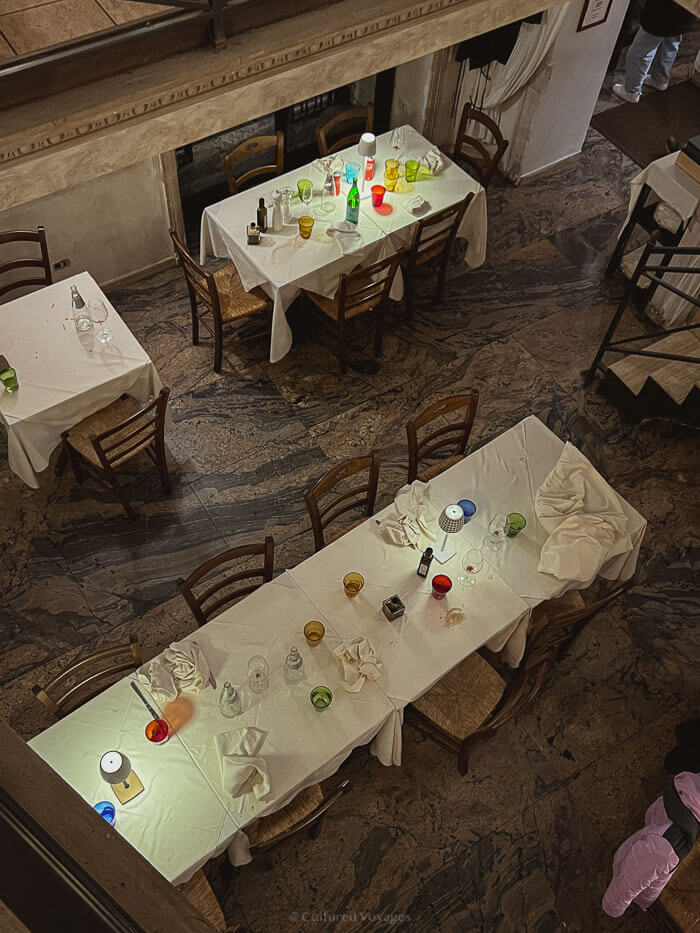

Rome might not seem like an “underrated” city, but winter is the most underrated time to experience it.
I’ve visited at both ends of the season – November and February – and honestly, I wouldn’t choose any other time.
Rome is always busy (it’s one of the most visited cities in the world), but in winter, the madness eases. You can actually pause on the Spanish Steps without being swept away in a tide of people, or stand in the Sistine Chapel without quite as many elbows jostling at your sides.
The cooler months also strip away the oppressive heat that can make Rome unbearable in summer – there have been horror stories in recent years of people collapsing in the Colosseum under 40°C sun.
In winter, you’ll need a jacket and maybe a scarf, but I’ll take that any day over sweltering in a queue.
Winter is also perfect for Rome’s indoor treasures: the Colosseum, Roman Forum, and Pantheon are easier to navigate without queues stretching round the block; the Vatican Museums and Borghese Gallery offer hours of warmth and wonder; and evenings are made for hearty plates of carbonara in cosy trattorias.
Hotel rates are lower than peak season, too, though don’t expect the rock-bottom deals you’ll find in smaller cities.
Maalot Roma, a five-star gem in a former theatre, and Tree Charme Parliament Boutique Hotel, near Piazza Navona, both balance atmosphere with style.
For something luxe-but-a-little-less, I’ve stayed in a Plum Guide apartment tucked between the Pantheon and Spanish Steps – quiet, stylish, and perfectly central.
Rome is always busy, but it’s one of the best European cities during winter if you want history without the heat or the summer crowds.
Want more details?
My 4 Days in Rome itinerary is designed for the winter months, with daily plans, cultural highlights, restaurant suggestions, and hotel recommendations to make the most of the cooler season.
✨ Plan Your Winter Stay in Rome
- 🛏️ Top Pick: Maalot Roma – A boutique five-star in a former theatre, with warmth and character.
- 🎟️ Don’t Miss: Pristine Sistine Tour – Early Vatican entry and breakfast, the most moving experience I’ve had in Rome.
Bruges in Winter: Markets, lights and medieval charm
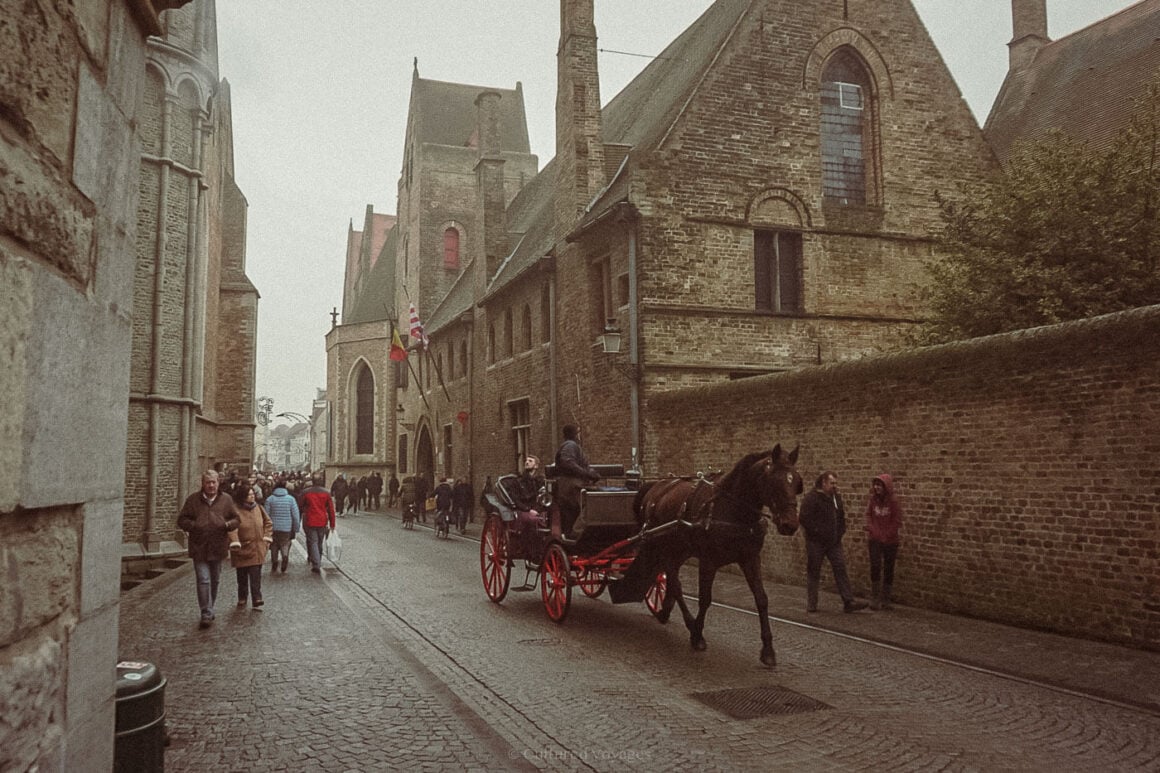
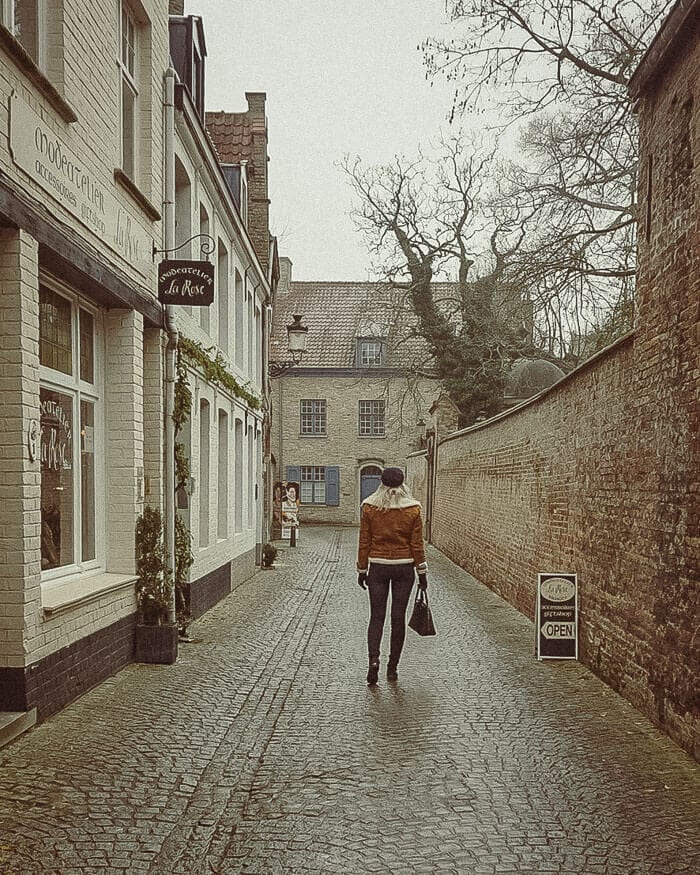

Bruges is easily one of the most beautiful European cities in winter, with its misty cobbled lanes, Gothic spires and canals glowing under festive lights.
Despite having visited a number of times, I’ve only ever been in the month of December, drawn back again and again for the festive lights and Christmas markets, but I can’t imagine a better time of year to see the city!
Even outside the holiday weeks, Bruges in winter has an atmosphere you just don’t get in summer: fewer tourists, quieter streets, and a sense that time has slowed.
At Christmas, Bruges runs its Winter Glow festival, with ice skating on the Minnewater (Lake of Love), light trails through the city, and small markets dotted across squares.
These aren’t the biggest markets in Europe – they can’t compete with Cologne or Vienna – but they don’t need to. The backdrop of the medieval Markt, with its guild houses and belfry rising above, is festive enough. The smell of waffles and mulled wine drifts through the air, horse-drawn carriages clop over the cobblestones, and the whole city feels like a stage set.
But Bruges in January and February will be just as magical, in a quieter way. The Belfry Tower is easier to climb without queues, and from the top you can see rooftops blanketed in mist.
The Groeninge Museum’s Flemish Primitives are perfect for a cold afternoon, while the Church of Our Lady – home to Michelangelo’s Madonna and Child – feels hushed and contemplative in the low winter light.
Canal walks are even more atmospheric when the trees are bare, especially around the Rozenhoedkaai.
Food is built for the season, too. Think steaming bowls of stoofvlees (beef stew) with frites, waterzooi, and endless trays of hot waffles.
For me, hot chocolate in Bruges is an experience in itself: places like The Old Chocolate House or Olivier’s let you melt your own chocolate into a jug of warm milk. And beer lovers can settle into snug taverns like ’t Brugs Beertje or Vlissinghe, said to be the oldest pub in Europe.
Hotels drop in price after the holidays, which means you can splurge on somewhere special.
I stayed at Dukes’ Palace Brugge, a former ducal palace turned five-star hotel, and also loved a separate stay at Grand Hotel Casselbergh, where we’d sit beneath the Christmas tree in the drawing room after the markets.
Want more details?
My Bruges at Christmas guide includes festive highlights, seasonal things to do, hotel recommendations, and insider tips for enjoying the city at its most atmospheric.
✨ Plan Your Winter Stay in Bruges
- 🛏️ Top Pick: Dukes’ Palace Brugge – A former ducal palace turned luxury hotel, especially good value after Christmas.
- 🎟️ Don’t Miss: Winter Glow Festival – Bruges’ festive season of markets, light trails, and ice skating at the Minnewater.
Ghent in Winter: Castles, canals and Belgian beer
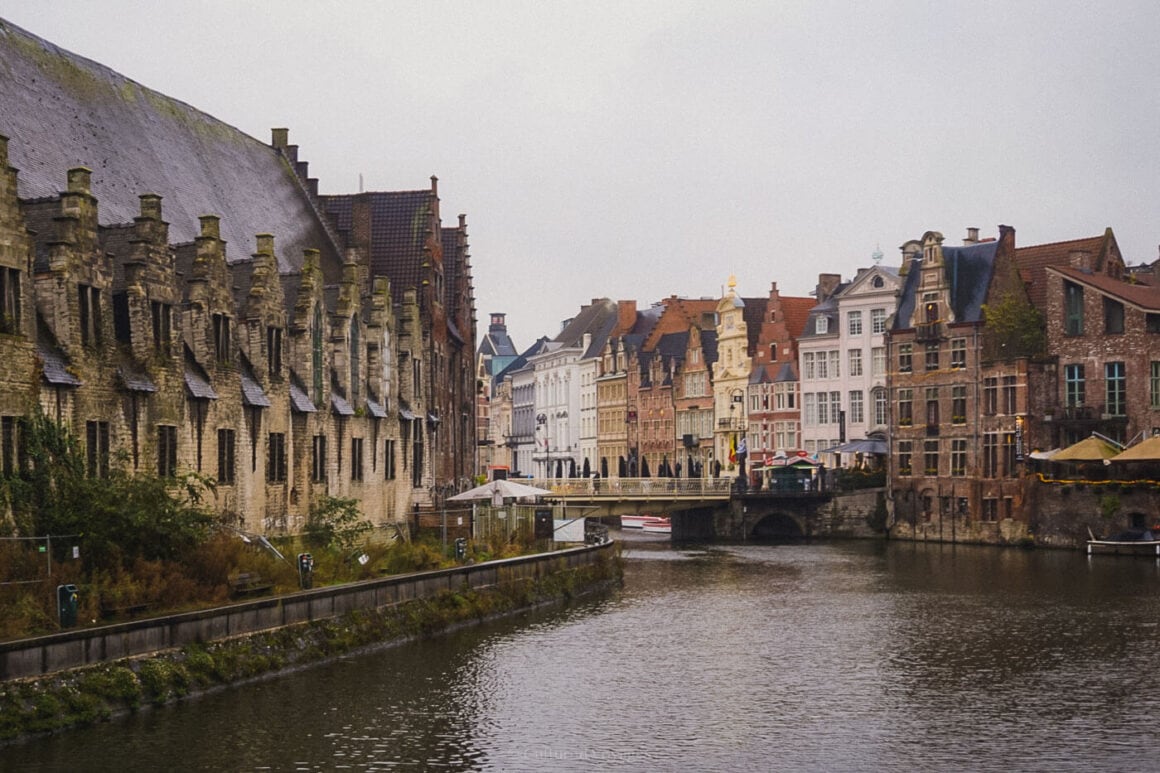
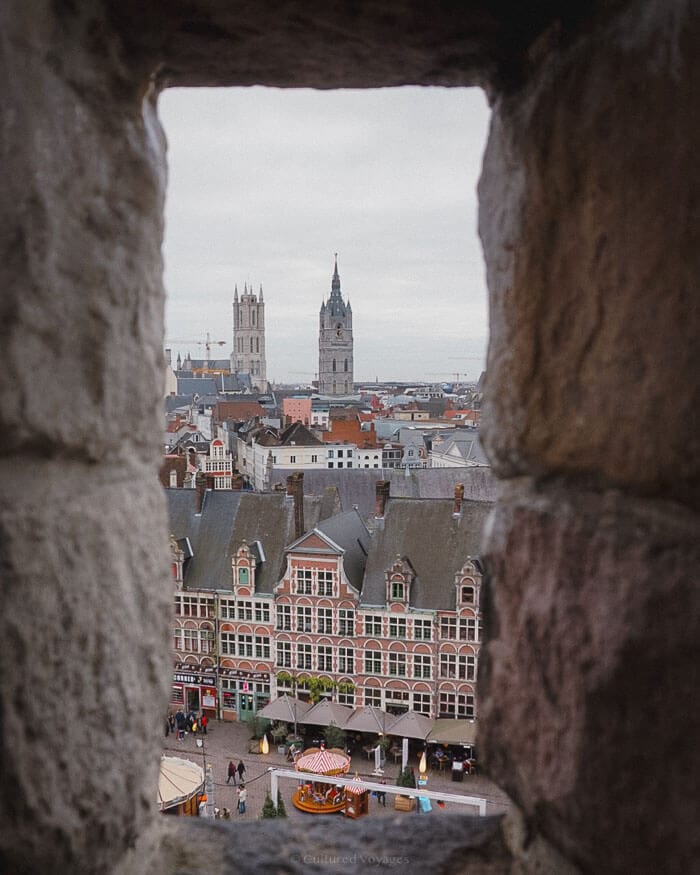
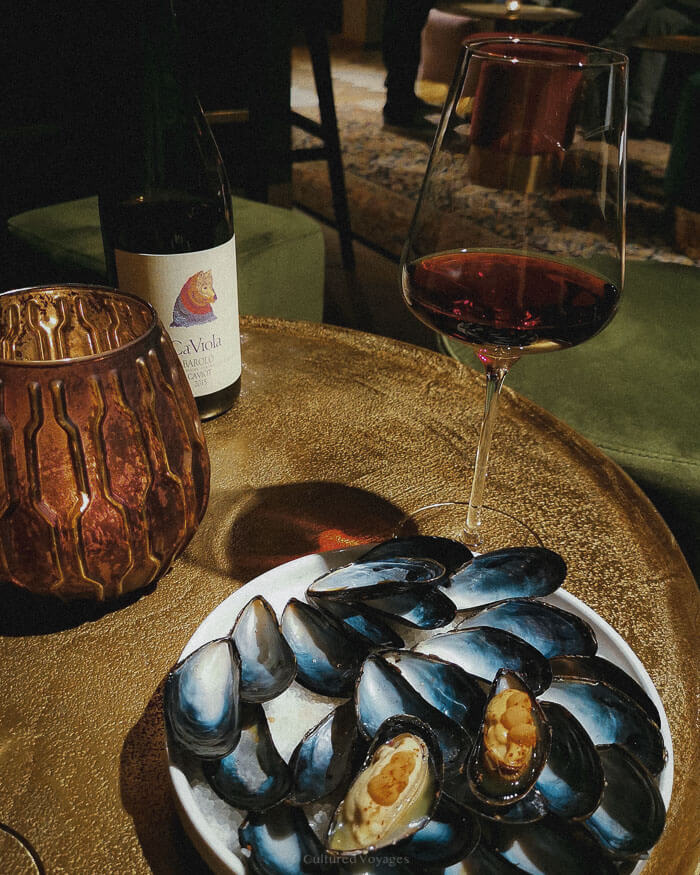
Ghent deserves a spot among the top European cities in winter, balancing medieval beauty with the energy of a lived-in university town.
Ghent is one of those cities that feels like a discovery, especially in winter.
Where Bruges can sometimes be overwhelmed by its own popularity, Ghent strikes a perfect balance – still chocolate-box beautiful with its canals and guild houses, but also a lived-in university city with a contemporary edge.
I visited in December for the Christmas market, but it wasn’t the festive stalls that stayed with me most. It was the way the city glowed under soft winter rain, the mist rising off the Leie, and the hum of students filling cosy cafés late into the evening.
St. Bavo’s Cathedral, home to the Van Eyck brothers’ masterpiece The Adoration of the Mystic Lamb, is hushed and contemplative on cold days – the kind of place where you want to linger.
The climb up the Belfry Tower, if it’s open, rewards you with panoramic views over spires and rooftops.
And a visit to the Gravensteen Castle is at its most atmospheric in the low light of winter afternoons. The excellent audio guide mixes humour with history, but wandering through its medieval chambers as the chill seeps in adds another layer.
Ghent is also perfect for exploring by water, even in the colder months. Wrap up warm and take a canal tour to see the old town from a different perspective – gliding past the Graslei and Korenlei quays, where medieval warehouses reflect in the water.
On foot, St. Michael’s Bridge gives you the city’s best view of its three towers, often set against a misty grey sky in winter.
And then there’s the food. Ghent, I was pleasantly surprised to discover, is quite the gastronomic powerhouse, home to Michelin-starred restaurants like Publiek (casual but outstanding), alongside countless cosy bars and quirky cafés.
Belgian beer culture is thriving here, and a guided beer tasting tour is one of the best ways to dive in, ducking into historic taverns as you sample everything from Trappist ales to local craft brews.
For a sweet tooth, the city’s chocolate shops are irresistible – or join a chocolate tour to meet the city’s best chocolatiers.
Hotels also feel snug and atmospheric in the cold months. My top pick is 1898 The Post, a boutique hotel set inside the city’s old post office, all dark wood, velvet, and character. For something elegant with a modern edge, Pillows Grand Boutique Hotel is another strong choice.
Want more detail?
My 2 Days in Ghent itinerary shares the best things to do in winter, cultural highlights, where to eat and drink, and boutique hotels that feel especially cosy in the colder months.
✨ Plan Your Winter Stay in Ghent
- 🛏️ Top Pick: 1898 The Post – Dark wood, velvet, and historic character in the old post office.
🎟️ Don’t Miss: Guided Beer Tasting Tour – Discover Ghent’s taverns and Belgian brewing culture on a winter evening.
Dublin in Winter: Pubs, trad music and festive energy
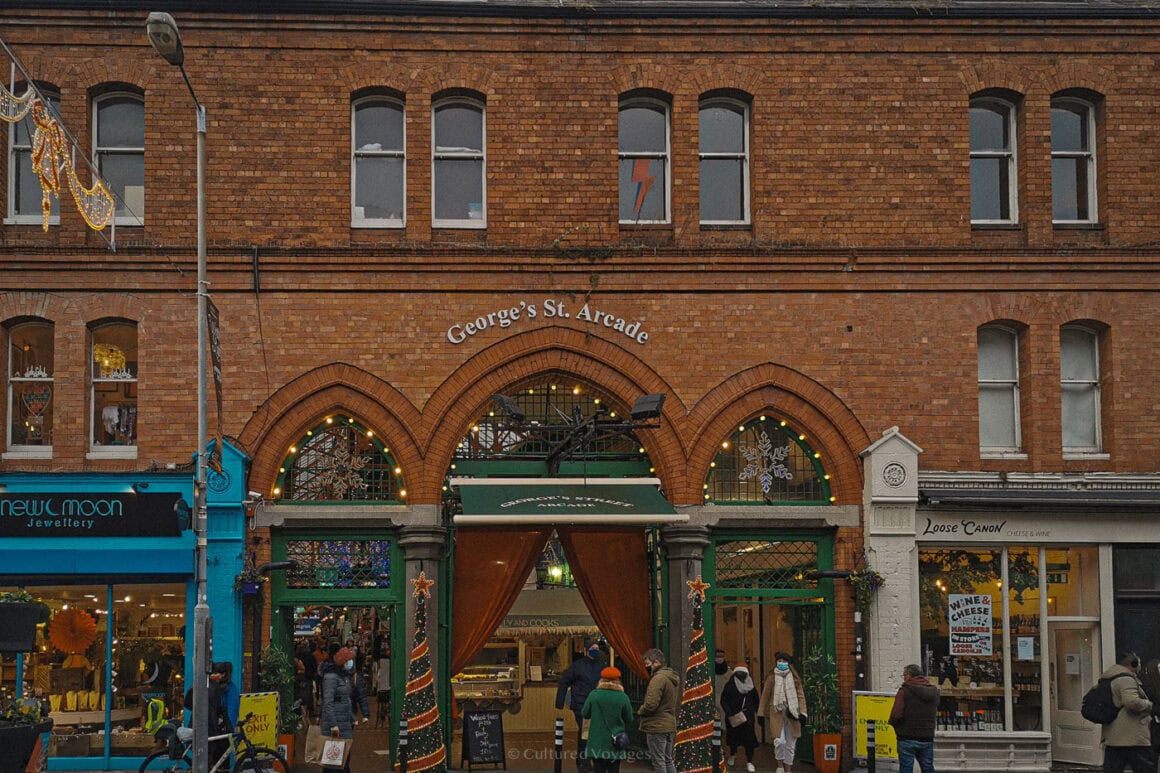
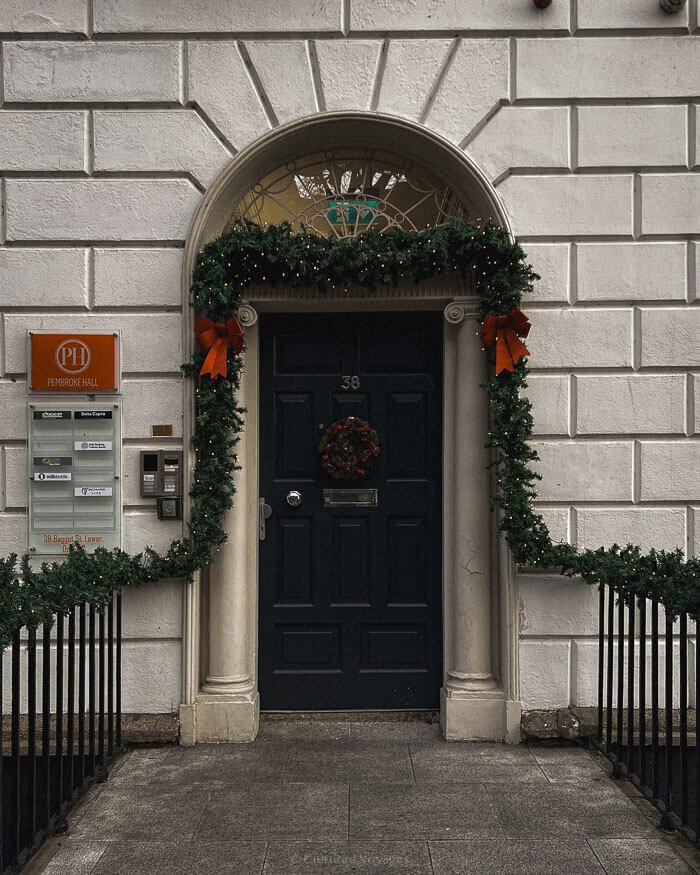
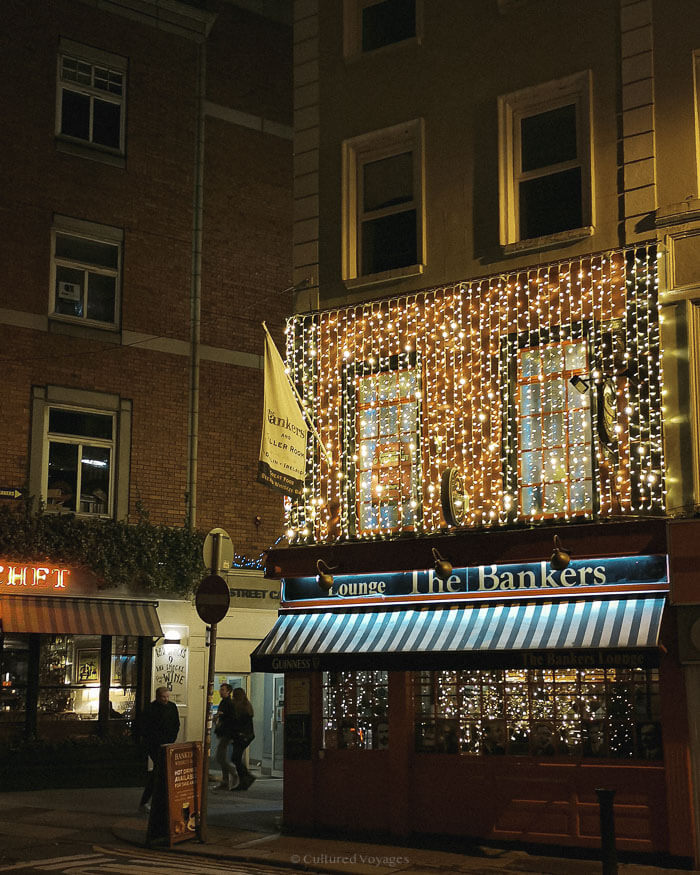
Dublin in winter is one of those places that sneaks up on you.
People imagine grey skies, drizzle, and damp jackets – and yes, there’s plenty of that – but what I found after living there for over a decade is a city that comes alive in its own way once the days shorten.
December, in particular, is electric: Grafton Street strung with chandeliers, pubs heaving with friends catching up before Christmas, and music spilling out from buskers and trad sessions. It’s one of the best months of the year to be in the city.
After New Year, the atmosphere shifts. January and February are quieter, with locals hunkering down after the festive excess.
But that lull has its perks: hotels and flights are far cheaper, and big attractions like the Book of Kells or the Guinness Storehouse are suddenly calm and easy to explore.
On clear days, I used to head out to Sandymount Strand or Dún Laoghaire Pier for a bracing seaside walk, cheeks stung red by the wind before warming up again in a pub.
And the pubs are the heart of it all. For me, Dublin’s pub culture is at its most magical in winter.
Kehoe’s is my personal favourite – wood panelling, snug corners, and the low hum of conversation. The Long Hall glitters under chandeliers, Grogan’s serves the city’s most famous toasties, and O’Donoghue’s is legendary for live trad music.
Come December, The Ginger Man is wild with Christmas decorations, rowdy but worth stepping into for the spectacle.
Dublin’s hotels also feel particularly cosy in winter. My long-standing favourite is Number 31, split between a Georgian townhouse and a modernist mews, where the breakfasts are as memorable as the rooms. For something more central,
The Fitzwilliam Hotel sits at the top of Grafton Street, sleek and peaceful despite the location – with Michelin-star dining on site. And if you want to step right into the festive whirl, The Westbury feels like Dublin’s unofficial living room in December, its lobby buzzing with energy.
Want more details?
My full Dublin in Winter guide covers weather and packing tips, festive highlights, pubs and food recommendations, plus boutique hotel picks for a cosy stay.
***
🌍 Considering a wider Ireland trip?
Ireland in winter delivers windswept coastlines, festive traditions, and a cultural warmth that shines brightest in the darker months. My Ireland in Winter guide will help you decide if it’s the right season for your journey and show you how to make the most of it.
✨ Plan Your Winter Stay in Dublin
- 🛏️ Top Pick: Number 31 – A design-forward townhouse and mews with unforgettable breakfasts.
- 🎟️ Don’t Miss: Traditional Pub & Music Crawl – A cosy way to experience Dublin’s legendary pub culture in the darker months.
Munich in Winter: Christmas markets and world-class art
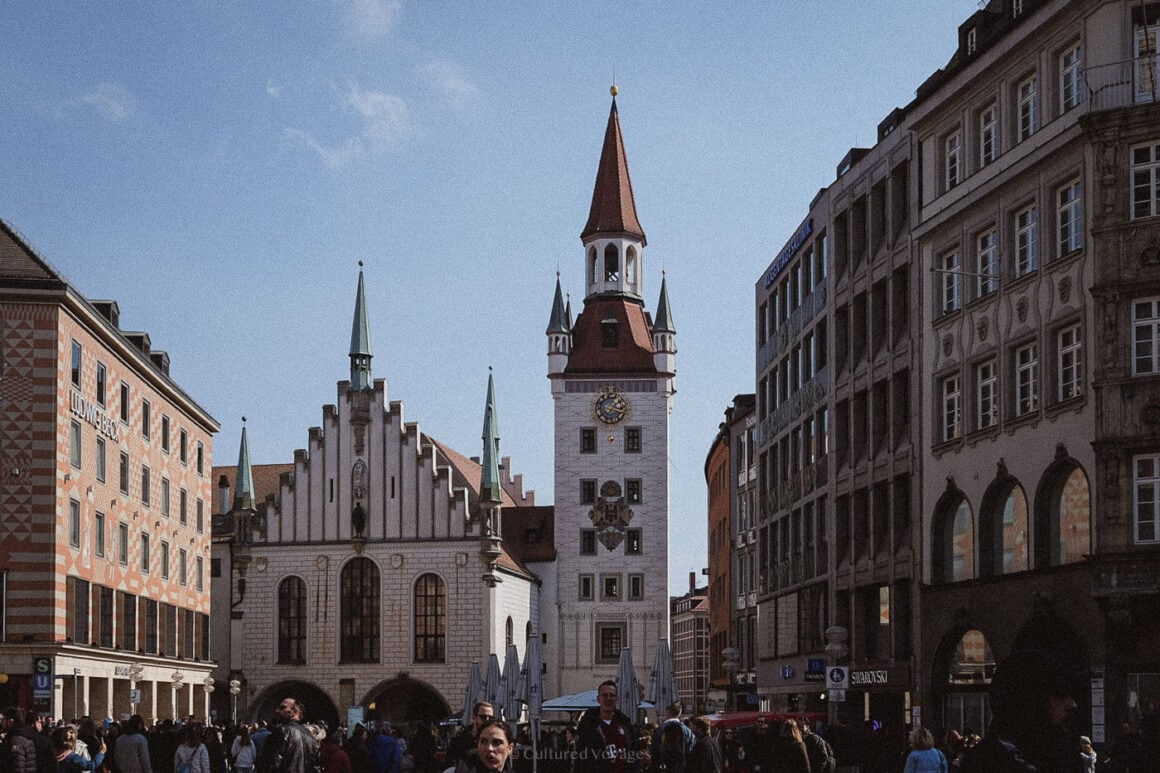
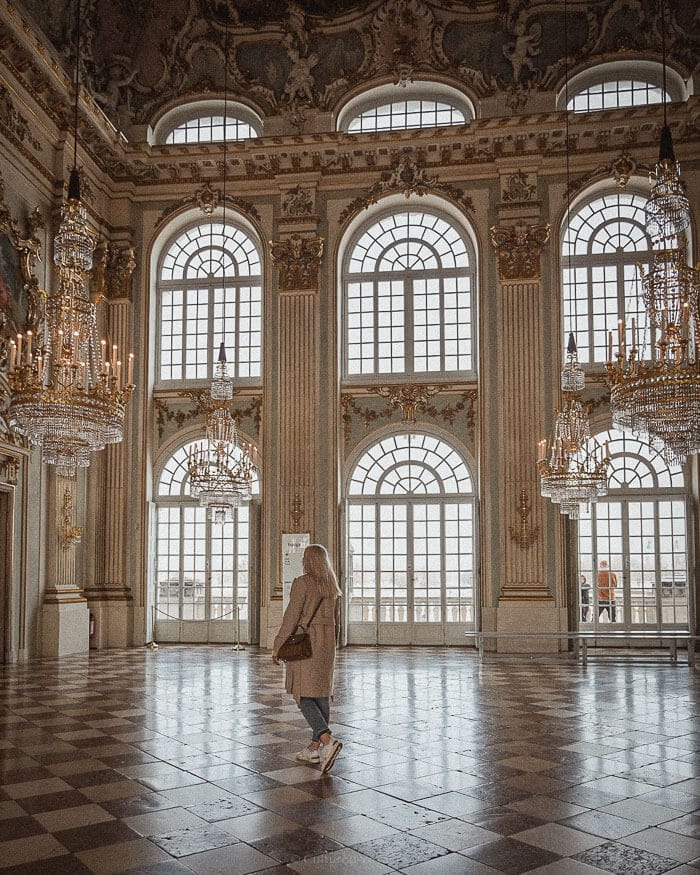
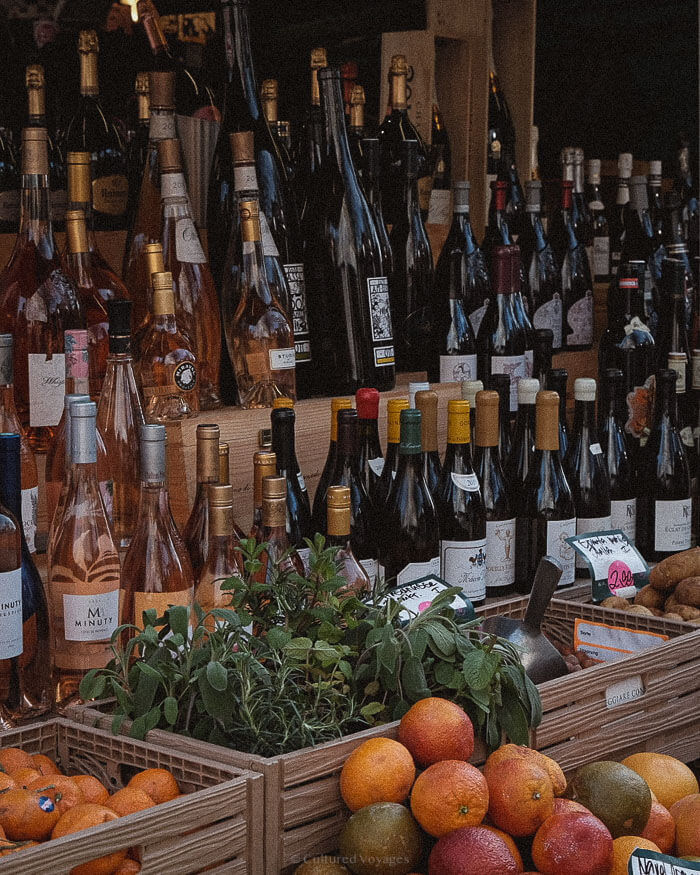
Munich in winter has a very different feel from its summer beer garden image.
When I visited at the beginning of March (technically Spring – I know, I know!), the city was still in the grip of crisp, cold days – the kind where you want to wrap up well and dive between warm museums, buzzing markets, and candlelit taverns.
If you come in December, the Christmas markets will make it even more magical. Marienplatz glows under twinkling lights, wooden stalls sell everything from mulled wine to gingerbread hearts, and the smell of sausages sizzling on the grill lingers in the frosty air.
Winter is also a brilliant time to enjoy Munich’s cultural side without the big crowds.
The city’s churches feel especially atmospheric when it’s quiet and cold outside – the baroque Asamkirche, the twin-towered Frauenkirche, and the Theatinerkirche with its pale Rococo interior are all worth stepping into.
You can also climb the tower of St. Peter’s Church, where the reward is panoramic views of snow-dusted rooftops and the Alps glimmering faintly in the distance.
Munich’s museums make the season even more appealing.
In the Kunstareal (museum quarter), the Alte Pinakothek and Pinakothek der Moderne kept me absorbed for hours, their collections a perfect winter escape. The NS-Dokumentationszentrum is another deeply thought-provoking visit, confronting the city’s Nazi past.
If you want something regal instead, Schloss Nymphenburg’s ornate ballrooms and sprawling gardens are captivating, though note the smaller pavilions are closed in the winter months.
Food also fits the weather. At the historic Zum Dürnbräu, I tucked into hearty Bavarian classics – spaetzle, schnitzel, and weisswurst – all perfect for warming up after a day outside.
For something more modern, I loved the inventive plates and cocktails at Ménage Bar, a Michelin-recognised spot that proves Munich isn’t just about beer halls (though I did pop into the Hofbräuhaus, which is worth it for the spectacle alone).
Hotels are also easier to enjoy in winter, with better value than peak season.
At Marc München, you’ll find boutique comfort right by the Hauptbahnhof, with stylish rooms and great breakfasts. At the other end of the scale, Hotel Bayerischer Hof is a historic five-star with opulent interiors, multiple restaurants, and even a rooftop pool – and winter is the best-value season to stay.
With its art museums, markets, and hearty dining, Munich is one of the best European cities for winter if you want depth beyond beer halls.
Want more details?
My 2 Days in Munich itinerary covers Christmas markets, museums, cultural highlights, hearty winter dining, and hotels – all perfectly suited for a cold-weather city break.
✨ Plan Your Winter Stay in Munich
- 🛏️ Top Pick: Hotel Bayerischer Hof – Historic five-star with opulent interiors and a rooftop pool, best value in winter.
- 🎟️ Don’t Miss: Third Reich Walking Tour – A fascinating, sobering way to understand Munich’s past against the backdrop of grey winter streets.
Avignon in Winter: Papal palaces, medieval walls and Provençal light
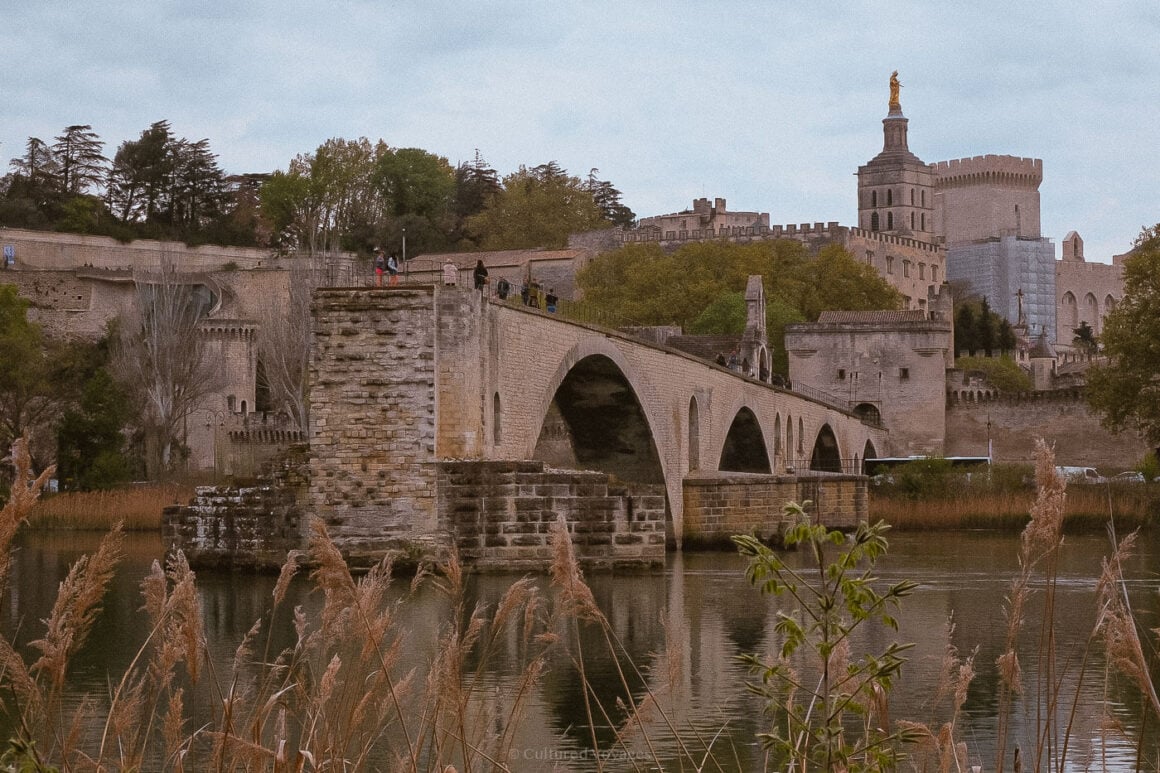
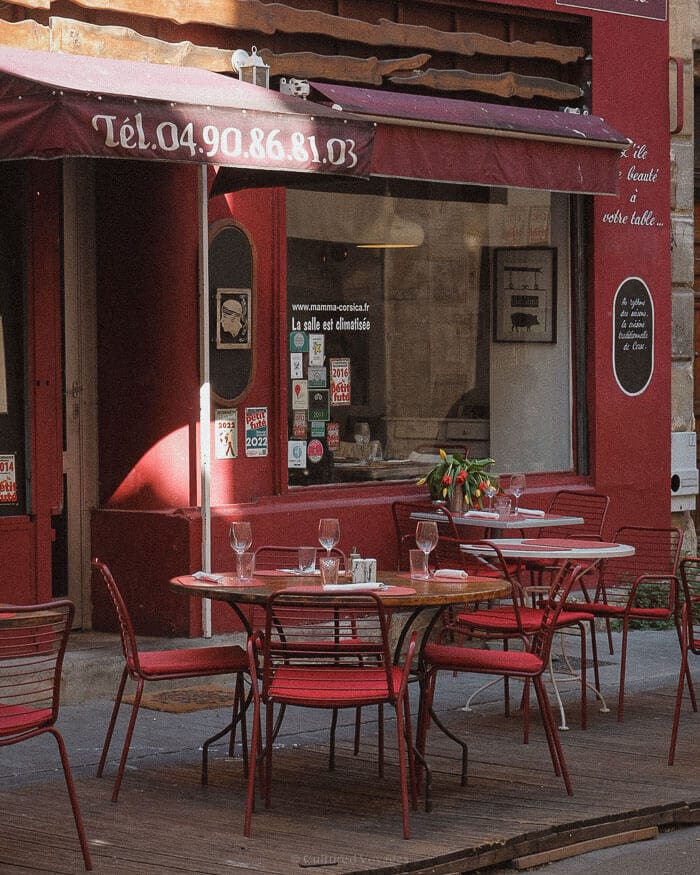
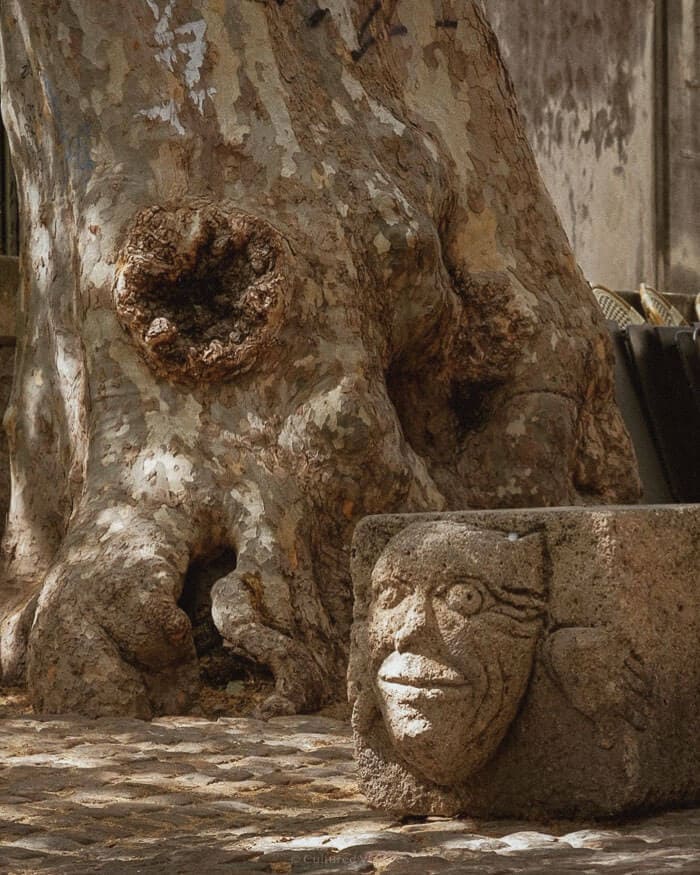
Avignon is among the prettiest European cities in winter, its papal palaces and medieval walls glowing in clear Provençal light.
It isn’t the most obvious winter city break – but that’s exactly what makes it so rewarding. The medieval heart of the city feels more open and accessible once the summer festival crowds have gone.
You can wander through the vast Palais des Papes without queues, stroll across the Pont Saint-Bénézet with only the Rhône for company, and take your time in squares that are usually bustling.
The weather can be bracing – the Mistral sweeps through in sharp bursts – but it also scours the sky, leaving a Provençal light so clear it makes the ochre façades and pale stone walls glow.
When the wind picks up, slip into Les Halles market, Avignon’s pantry. Even in winter it brims with produce: truffles, mushrooms, rich stews, pungent cheeses, and bottles of Châteauneuf-du-Pape ready to warm you up.
The city’s smaller museums are another winter joy. The Petit Palais houses medieval masterpieces in a calm, contemplative setting, while the Collection Lambert brings contemporary edge.
And if you do want to venture out, the vineyards of Châteauneuf-du-Pape are just a short drive away – tastings will feel more personal in the off-season, when you aren’t competing with tour buses, although they will run on limited schedules, so make sure to do your research before heading to one.
Hotels also feel particularly cocooning at this time of year. At La Mirande, just beside the Palais des Papes, the salons crackle with firelight and the rooms are layered with antiques, silks and chandeliers – it feels like stepping back in time. I also loved the Hôtel d’Europe on elegant Place Crillon, one of the oldest hotels in France, where high ceilings and Provençal décor meet warm, old-school service.
Both are far more affordable in January than at festival time, and they make it easy to enjoy the city at a slower rhythm.
Want more details?
My Avignon travel guide covers things to do in winter, from exploring the Palais des Papes to visiting Provençal markets, alongside seasonal food, wine, and hotel recommendations.
✨ Plan your winter stay in Avignon
- 🛏️ Top Hotel: La Mirande – historic townhouse with antique-filled rooms and firelit salons.
- 🎟️ Top Experience: Châteauneuf-du-Pape wine tasting – intimate vineyard visits feel especially personal in the off-season.
Arles in Winter: Roman amphitheatre and Provençal colour
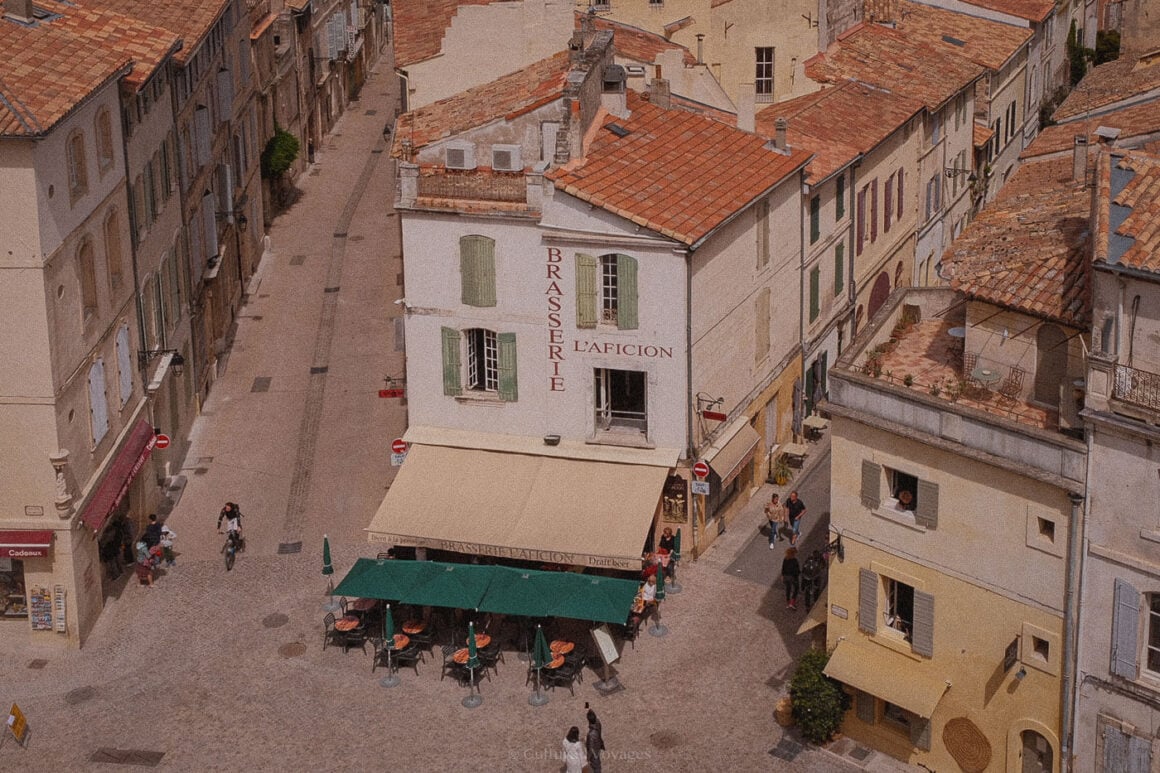
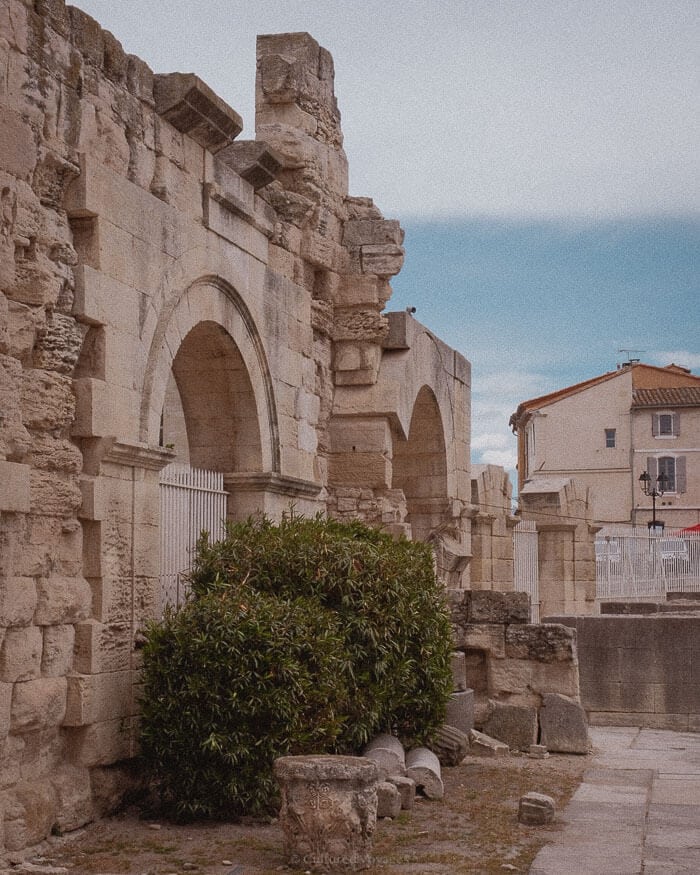
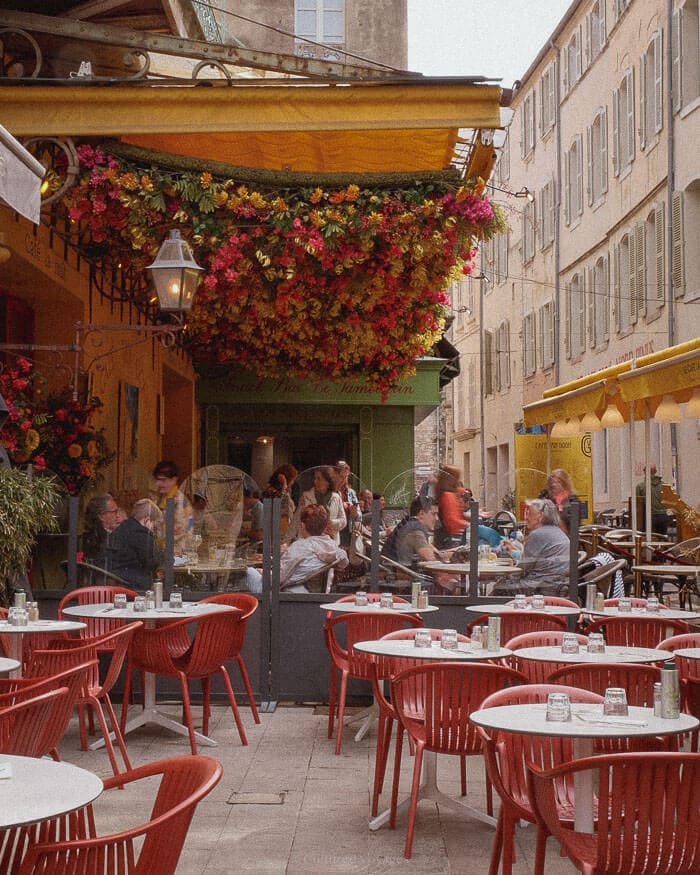
Arles in winter feels stripped back to its essentials – a Provençal city where Roman ruins and artistic heritage rise out of quiet streets.
Without the summer crowds, you can wander almost alone through the Amphitheatre, imagining gladiators in the chill air, or sit in the stone terraces of the Théâtre Antique with the winter sun low on the horizon.
The cloisters of St. Trophime are especially moving in winter: empty, echoing, their carved columns washed in pale light.
The Mistral does reach Arles in the colder months, and you’ll want a scarf and gloves when it blows down the Rhône. But it also sharpens the colours – ochre façades, blue shutters, painted frescos – and makes the Provençal light that drew Van Gogh here even more intense.
I’ve walked the Place du Forum where he once painted, and it’s easy to see why the winter palette inspired him.
The Fondation Vincent van Gogh is a perfect retreat on windy days, and the Musée Départemental Arles Antique brings the city’s Roman past into focus with mosaics and sarcophagi that feel almost surreal to have to yourself.
Food here feels very suited to winter. In local bistros, you’ll find daube Provençale (slow-cooked beef stew with red wine), game dishes, and earthy truffle specials, all matched with Rhône Valley reds.
A glass of Châteauneuf-du-Pape or a local Costières de Nîmes feels particularly right when the wind rattles outside.
Hotels add to that sense of retreat: the Hôtel Jules César Arles – MGallery, a 17th-century convent reimagined by Christian Lacroix, layers flamboyant colour onto cloistered calm.
For something more discreet, L’Hôtel Particulier, a mansion turned boutique hideaway, offers parquet floors, high ceilings and a garden that feels tranquil even in winter.
Want more details?
My Arles travel guide shares the best things to do, including Roman ruins and art museums, plus seasonal food experiences and hotels that make winter stays atmospheric.
✨ Plan your winter stay in Arles
- 🛏️ Top Hotel: Hôtel Jules César Arles – a 17th-century convent turned design hotel with colourful Lacroix interiors.
- 🎟️ Top Experience: Fondation Vincent van Gogh – an intimate, moving retreat when the Mistral is blowing outside.

Before you go
Everything I check before a trip now lives on one page.
Seven shifts I run on every trip I plan, each one paired with the story that taught it to me and the steps for using it yourself — built to be printed, kept, and pulled back out before the next one.
It arrives when you join The Cultured Voyages Edit, a fortnightly letter on European cultural travel.
Planning Your Next Trip: The Best European Cities to Visit in Winter
For me, these are the best European cities for a winter break – atmospheric, cultural, and more authentic once the crowds thin
If there’s one theme that runs through all of these places, it’s this: winter isn’t a compromise – it’s the secret season. Even in world-famous destinations like Rome and Venice, the quieter months reveal an intimacy that summer crowds smother.
And in cities like Seville, Porto, or Ghent, winter transforms the rhythm of daily life – oranges ripen in the plazas, port lodges glow against the rain, and canals lie hushed beneath mist.
Choosing to travel this way isn’t just about atmosphere. It’s also a more responsible choice.
Visiting in January or February takes pressure off destinations that strain under summer tourism, while giving you richer rewards: boutique hotels at half their peak rates, easier access to iconic sights, and the chance to feel part of the local fabric instead of swept along with the masses.
If you’re planning your own winter escape, I’ve written full winter guides to help you dive deeper in the following places.
👉 Explore them all here: Seville in Winter | Granada in Winter | Porto in Winter | Lisbon in Winter | Venice in Winter | Bruges at Christmas | Ghent Travel Guide | Dublin in Winter
And if you’d like to extend your trip beyond the cities:
- The Douro Valley in winter offers misty vineyards, intimate port tastings, and countryside tranquillity just a short hop from Porto.
- Ireland in winter delivers windswept coastlines, festive traditions, and a cultural warmth that shines brightest in the darker months.
Your next trip doesn’t need to follow the obvious path. In Europe, winter might just be the most rewarding season of all.
Related reading for Europe in Winter


Like this post? Pin for later!