FlorenceArt, neighbourhoods & a well-planned stay
Florence is easier to enjoy once the Accademia, Uffizi and Duomo are no longer competing for the same morning.
I keep returning for the connections between its art and the city around it: who paid for a painting, who held power and what a palace was intended to say. These guides help you plan the days, choose where to stay and make room for both the major works and the neighbourhoods beyond the busiest museum doors.
Plan your Florence trip
A city to look at closely
Begin with the days, not a checklist
The Medici story is a useful place to begin: it connects churches, palaces and collections that otherwise risk becoming a succession of beautiful rooms. I make time for those connections, and for the streets and neighbourhoods around them.
Secure the museum visits you care about first, then leave some space around them. An afternoon in Santo Spirito need not be planned down to the last hour.
Florence is easy to cross on foot, but the concentration of art, queues and visual detail makes over-planning tiring. One major museum or monument in the morning is usually enough.
01 / Getting your bearings
Three decisions shape the trip
Start with whether Florence suits you, what deserves your time and the neighbourhood you want to return to at the end of each day.
Deciding
Is Florence for you?
An honest account of the art, atmosphere and crowds, and who is most likely to enjoy the city.
Read the guideChoosing
What deserves your time?
The major works I would prioritise, and the smaller museums and churches worth making time for.
Explore what to doStaying
Which neighbourhood suits you?
Compare the centre with Santa Croce, Sant’Ambrogio and Santo Spirito before choosing a hotel.
Choose where to stayTiming the visit
When should you go?
Florence’s museums are busy year-round, while summer heat makes long queues and exposed climbs harder. This guide weighs the season, weekday closures and time of day.
Find the best time to visitSetting the pace
How many days do you need?
Two days introduce the city. Three or four make more room for art, food and the neighbourhoods beyond the centre.
Work out your trip lengthA useful rule
Florence is compact, but it is not light work.
Book one major museum or monument for the morning, then give the rest of the day some room. The distances are short, but the concentration of art, queues and visual detail is tiring.
A slower afternoon in Sant’Ambrogio or Santo Spirito will usually add more than a third headline sight.
02 / Looking closer
Florence’s art & history
The Duomo and Michelangelo’s David deserve your attention, but the patrons, politics and rivalries behind them are what make the looking worthwhile.
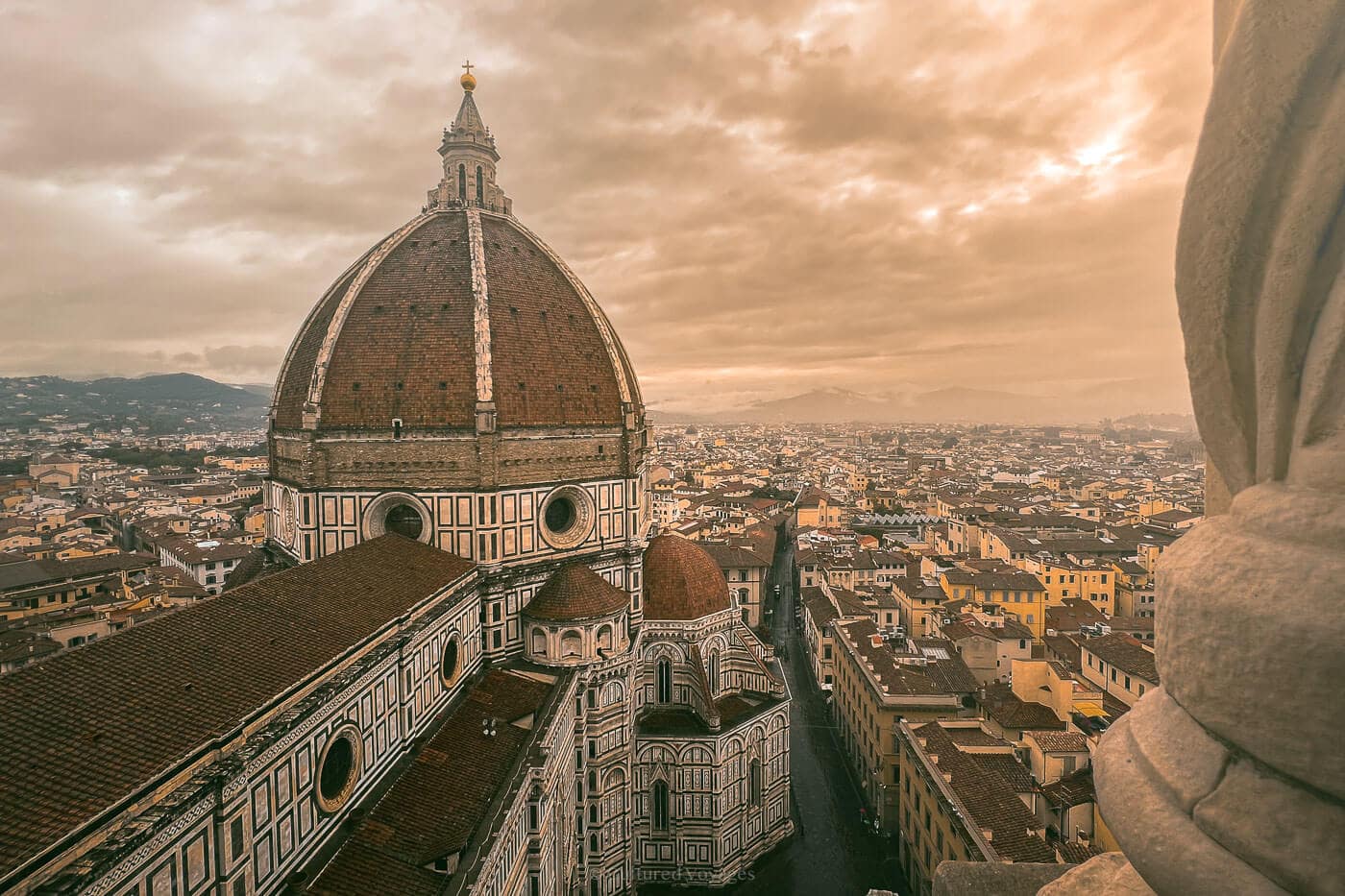
The Duomo complex
Choose the right ticket before you arrive
The cathedral, baptistery, museum, bell tower and dome are separate visits. This guide explains how they fit together.
Plan your Duomo visit
At the Accademia
See David with more than a timed ticket
This guide covers tickets and timing, but also explains why the sculpture mattered in Florence and what to look for when you see it.
Plan your visit to David
03 / A neighbourhood to come back to
Where to stay in Florence
Santa Croce, Sant’Ambrogio and Santo Spirito each offer a different setting for your stay. Being close to the Duomo is convenient, but it need not be the deciding factor.
My accommodation guide starts with the neighbourhoods, then the hotels and guesthouses I would consider within them.
Explore where to stay04 / At the table
Eating well in Florence
A queue outside a sandwich shop tells you very little about how well you will eat. I would rather make time for a trattoria worth returning to, and book ahead when a particular meal matters to the trip.

05 / Beyond the city
Florence & the rest of Tuscany
For a short stay, I would choose no more than one day trip. Florence needs time of its own, even with the vineyards of Chianti so close by.

One well-chosen excursion
Day trips from Florence
Compare Siena, Lucca, Pisa, Bologna and the wine country by travel time, pace and what each adds to the trip.
Choose a day tripThe wider region
Continue through Tuscany
Move from Florence into Chianti, the Val d’Orcia and Siena with enough time for the countryside to be part of the trip, not merely the road between cities.
Open the Tuscany guides
The Cultured Voyages Edit
The Art of Understanding Places
Knowing who commissioned Florence’s churches, palaces and collections changes how you look at them. It also makes it easier to decide what deserves your limited museum time.
The Art of Understanding Places sets out seven shifts that take you from sightseeing to understanding. It arrives when you join The Edit, my fortnightly editorial letter.
Join The EditEvery published guide
All Florence guides
Browse all 18 Florence guides
-
Best Food Tours in Florence: 13 Picks for Serious Food Lovers
-
Where to Stay in Florence: Best Areas for First-Timers & Beyond
-
How to Visit Michelangelo’s David In Florence (And Appreciate It)
-
Florence Duomo Complex: Tickets, Passes & How to Plan Your Visit
-
Best Day Trips from Florence (and the Ones to Skip)
-
Best Restaurants in Florence: Personal Picks from Months of Eating There
-
Best Airbnbs in Florence, Italy: Luxury & Boutique Picks
-
Best Chianti Wine Tours from Florence: Picked by a Tuscan Wine Lover
-
Best Hotels in Florence with a Pool: Gardens, Rooftops & City Views
-
Florence Travel Guide: Plan Your Trip with Months of First-Hand Knowledge
-
Is Florence Worth Visiting? My Take After a Month Living There
-
Things to Do in Florence: 17 Picks from a Month Living in the City
-
How Many Days in Florence? An Answer from Someone Who Spent a Month
-
2 Days in Florence: How to Make Every Hour Count
-
3 Days in Florence: A Balanced Itinerary Built on Many Visits
-
4 Days in Florence: Icons, Food & Hidden Gems (Without Burnout)
-
Florence Travel Tips: How to Find the City Most Visitors Miss
-
Best Time to Visit Florence: By Season, Time of Day & Day of Week