Disclosure: Some of the links on this site are affiliate links. If you make a purchase through one of them, I may earn a small commission at no extra cost to you. Read my full disclaimer here. Thank you for your support!
Discover 13 underrated historical sites in Ireland, curated by a passionate local. This insider’s guide reveals hidden gems often overlooked by tourists, offering a deeper insight into Ireland’s rich past.
Ireland’s history isn’t only to be found in dusty tomes or behind velvet ropes in museums. It’s alive in the stone walls that criss-cross our countryside, in the mist-shrouded ruins that dot our landscape, in the very soil beneath our feet.
In this guide, I’m sharing 13 of Ireland’s historical sites that don’t always make it into the guidebooks. Many are spots I’ve explored on multiple occasions, each visit peeling back yet another layer of our island’s past.
Ireland’s history isn’t just a subject I studied in school; it’s part of who I am. Throughout my life to date, I’ve spent hours exploring these sites and others like them, not just as a tourist, but as someone deeply connected to my homeland and its stories.
My selection isn’t exhaustive, and this is an intentional choice. This list was not made to be a comprehensive one – instead, it’s a curated one.
I’ve chosen places that have shaped my own understanding of Irish history, and which I feel demonstrate a range of the facets that make up our nation’s story, should you as a visitor be keen to discover more about them.
They are predominantly placed near my home in Ireland’s Ancient East and in the west of Ireland. With most visitors to Ireland stopping in at least one or both of these areas, you’ll likely find a few sites from this list that you can easily incorporate into an Ireland itinerary.
In this post, I’ll also show you how to weave these hidden historical gems into your Irish adventure, whether you’re hitting the tourist trail or crafting your own off-the-beaten-path journey.
Ranging from ancient monastic ruins to poignant famine-era remnants, and from prehistoric stone fields to lesser-known castles, this guide will introduce you to a broad spectrum of Ireland’s history and culture.
Whether you’re drawn to crumbling abbeys, scenic gardens, or the legacy of Ireland’s industrial past, there should be something here to tickle every history enthusiast. I’ve also included a handy map at the end of this post to help you plan your journey with ease.
EDITOR’S NOTE re opening times
Some of these sites are off the beaten path, which means they might have seasonal opening hours, be closed for renovations, or even close up shop during certain times of the year. I’ve included official website links where available. Do check these before visiting to avoid disappointment and make the most of your trip.
Jerpoint Abbey

- Location: Thomastown, Co. Kilkenny (South-East Ireland)
- Logistics: You’ll find Jerpoint Abbey just off the N9, about 2.5 km southwest of Thomastown. It’s easily accessible by car with ample parking on site.
- Information: For opening times and admission fees, check the Heritage Ireland website. I’d recommend taking a guided tour if you can – they offer fascinating insights into the Abbey’s history and architecture that even I, as a local, found enlightening.
Jerpoint Abbey sits a stone’s throw from my family home in Thomastown County Kilkenny. It’s a beautiful example of Ireland’s monastic past, and one I’ve been lucky enough to grow up with.
Driving out the Waterford Road from Thomastown, the Abbey is plonked quite literally at the side of the road (the road, in fact, bends around it) and is surrounded by fields and trees.
Nearby you’ll also find Jerpoint Park, which offers guided tours of the lost village of Newtown Jerpoint, a medieval town that was abandoned following the dissolution of the monasteries.
The town claims to be the final resting place of good old Saint Nicholas himself. Yes, that’s right – Santa Claus might be buried in Kilkenny! Whether you believe it or not, it’s a fascinating bit of local lore.
Why Visit Jerpoint Abbey
For me, Jerpoint Abbey really brings to life the monastic traditions that were once so prevalent in Ireland. Founded in 1180, the Abbey was home to Cistercian monks until its dissolution in the 16th century.
Its remarkable stone carvings are a testament to the artistic skills of medieval stonemasons. I’m always struck by how these intricate designs have survived centuries of Irish weather.
Combining Jerpoint Abbey with Other Attractions
Jerpoint Abbey pairs perfectly with Kilkenny Castle and medieval Kilkenny city.
It’s also en route (via a short deviation off the motorway) between Dublin and Waterford, making it an easy addition to many Irish itineraries.
If you’re interested in exploring some more of Ireland’s monastic history, you could head out the road to nearby Kells Priory. From the car park, you can make your way down through the field to explore the priory. In my experience, you’ll likely have it to yourself to your heart’s content.

Woodstock House & Gardens and the town of Inistioge


- Location: Inistioge, County Kilkenny (South-East Ireland)
- Logistics: Woodstock Gardens is located near Inistioge, County Kilkenny, about 4 km from the village. It’s easily accessible by car, with ample parking available on site.
- Information: For opening times and admission fees, check the Woodstock Gardens website. The gardens are open year-round, but the best time to visit is spring through autumn when the flowers are in bloom.
Woodstock House is a former ‘big-house’ that was burned down in the early part of the 20th century. The contrast between the destroyed mansion and the meticulously maintained gardens provides a unique perspective on Irish history.
Today, the real beauty of Woodstock lies in the extensive woodland and stunning gardens that still endure. They’re wonderfully maintained to this day.
If visiting, I’d suggest allowing a couple of hours to fully explore the gardens, which is a wonderful way to spend a few hours in nature. The walled garden and the arboretum are particular highlights.
Extended walks through the forest are particularly lovely, however – take the Lady’s Loop walking route from the town square that runs along the river, eventually weaving its way uphill to deposit you at the house.
While it’s tempting to spend hours exploring the Woodstock estate, don’t miss the opportunity to wander through the village of Inistioge itself.
Why Visit Woodstock & Inistioge
Woodstock House serves as a talisman for the destruction wracked upon these large houses during Ireland’s tumultuous political period. The house itself was destroyed during the very first week of the Irish Civil War, in July 1922, by the anti-Treaty IRA to stop the Free State forces regarrisoning it.
This site offers a poignant glimpse into the Anglo-Irish estate life and the upheavals of early 20th-century Ireland. The gardens, designed by Lady Louisa Tighe in the 1800s, showcase 19th-century landscape design.
The village of Inistioge is incredibly picturesque, situated as it is in a valley alongside the river. It’s also a wonderful example of a planned urban settlement that popped up around a big house in the area (i.e. one that was owned by an Anglo-Irish family).
Its quaint streets and beautiful setting make it one of the most charming villages in Ireland. If you’re a film buff, you might recognise it from movies like ‘Circle of Friends’ and ‘Widows’ Peak’.
Combining with Other Attractions
A visit here combines well with exploring Kilkenny. You could easily spend a morning at Woodstock Gardens before heading into Kilkenny city for the afternoon. You could also combine it with a visit to nearby Jerpoint Abbey and the arts & crafts-y town Thomastown.

Ballysaggartmore Towers

- Location: Lismore, County Waterford (South-East Ireland)
- Logistics: You’ll find Ballysaggartmore Towers near Lismore, County Waterford. It’s accessible by car, with a small car park available. A short walk through the woods brings you to the towers.
- Information: The site is open year-round and is free to visit. There’s no visitor centre, but information boards on site provide historical context. More info here.
Ballysaggartmore Towers is a really interesting and thought-provoking site.
It was relatively under the radar in the run-up to the Covid pandemic but gained a little bit more recognition amongst local Irish tourists when they couldn’t travel abroad due to the lockdowns. As a result, it found its way onto social media.
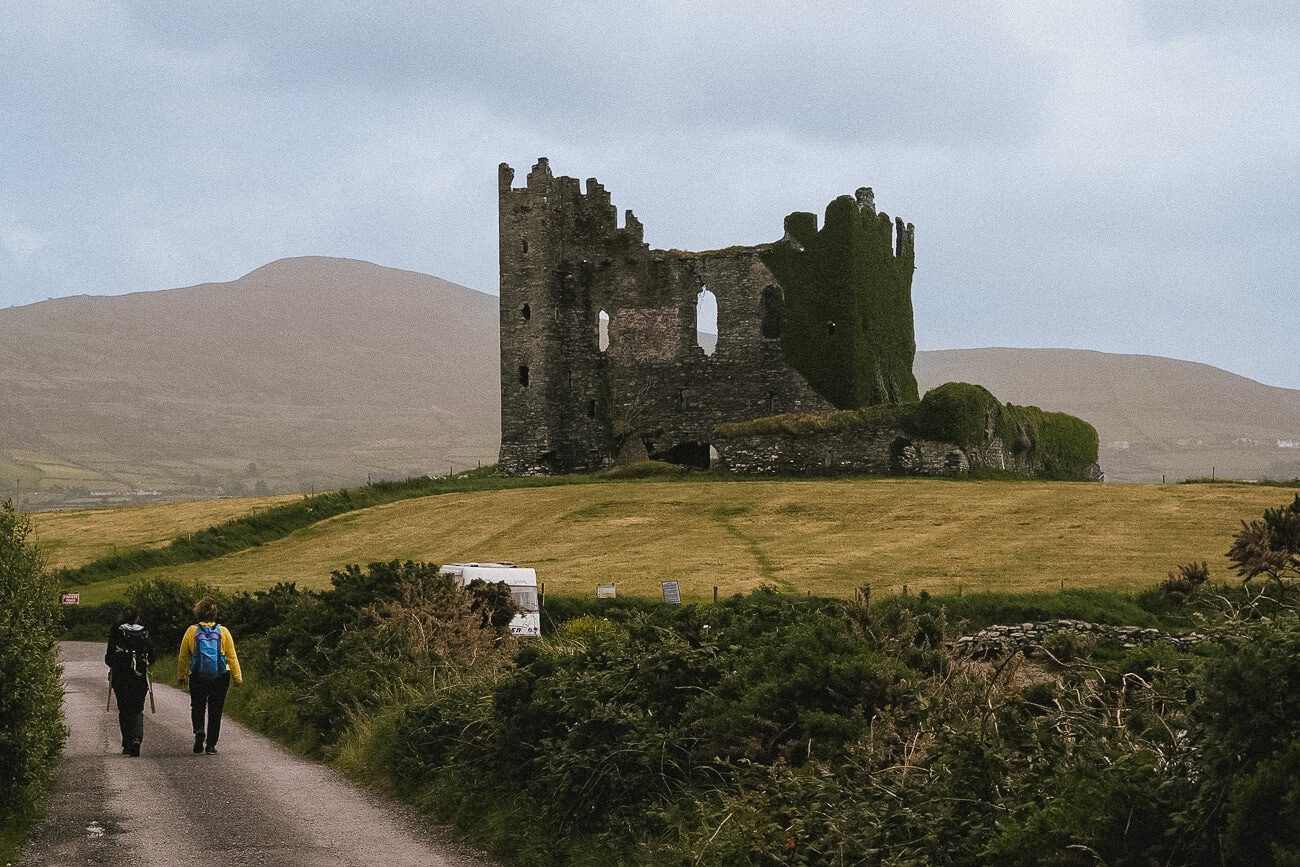
It tends to irk me when I see people include Ballysaggartmore Towers in posts as this romantic, beautiful, magical place to visit in Ireland, dropping a post on Instagram or TikTok without any historical context.
While I agree that it is extremely aesthetically pleasing, what it actually represents is something that is a reflection of some rather unpleasant human behaviour – there is absolutely nothing romantic about it. Please do take time to reflect on the history here, not just snap photos for Instagram.

Why Visit Ballysaggartmore Towers
For me, Ballysaggartmore Towers serves to highlight the cruelty of some Irish landlords during the Irish famine, and how there was an utter juxtaposition in the needs, wants and desires of the (largely British and/or Anglo-Irish) ruling class and the impoverished Irish smallholders during this time.
Local lore has it that the landlord in question, Arthur Keily-Ussher, bankrupted himself trying to build the most elaborate of estates (these towers, merely follies, were thought to be just the entrance gate to his lavish mansion that he planned on building).
In the process, he evicted many of his tenants during a time of starvation and sickness, rendering them homeless in order to replace them with livestock on his land. This makes Ballysaggartmore Towers a particularly poignant site.
Combining with Other Attractions
This site pairs well with a visit to Lismore Castle and can be part of a broader exploration of County Waterford. It’s also a good stop if you’re travelling between Cork and Waterford.
You could also visit it after a trip to the Rock of Cashel from Kilkenny, before making your way on to Cork, or even if you are heading onwards towards Killarney.

The Copper Coast UNESCO Geopark


- Location: the coastline of County Waterford (South-East Ireland)
- Logistics: The Copper Coast stretches between Tramore and Dungarvan in County Waterford. It’s best explored by car, allowing you to stop at various points of interest along the way.
- Information: Visit the Copper Coast Geopark website for more information on specific sites and walking trails. The Copper Coast Visitor Centre in Bunmahon provides a great overview of the area’s geology and history.
I’ve included the Copper Coast in this list of underrated attractions because, firstly, I feel like the county of Waterford deserves a little more love from tourists. Secondly, if you’re seeking an alternative coastal scenic route in Ireland, then this relatively short stretch is positively beautiful.
On top of the interesting historical element of copper mining in the area, the dedicated Geopark adds educational value to the visit. Allow time to explore the coastline and its little towns and villages at a leisurely pace – there’s so much to see that you won’t want to rush.
Why Visit the Copper Coast
The Copper Coast showcases Ireland’s geological and mining history. Named for 19th-century copper mines, it spans 25 km of coastline and features cliffs, coves, and sea stacks. It offers insights into the area’s mining history and represents the often-overlooked industrial heritage of County Waterford.
On top of that, the route is incredibly scenic and offers rugged, untouched coastal vistas that are a little different, but no less different, that Ireland’s more famed Wild Atlantic Way route.
Combining with Other Attractions
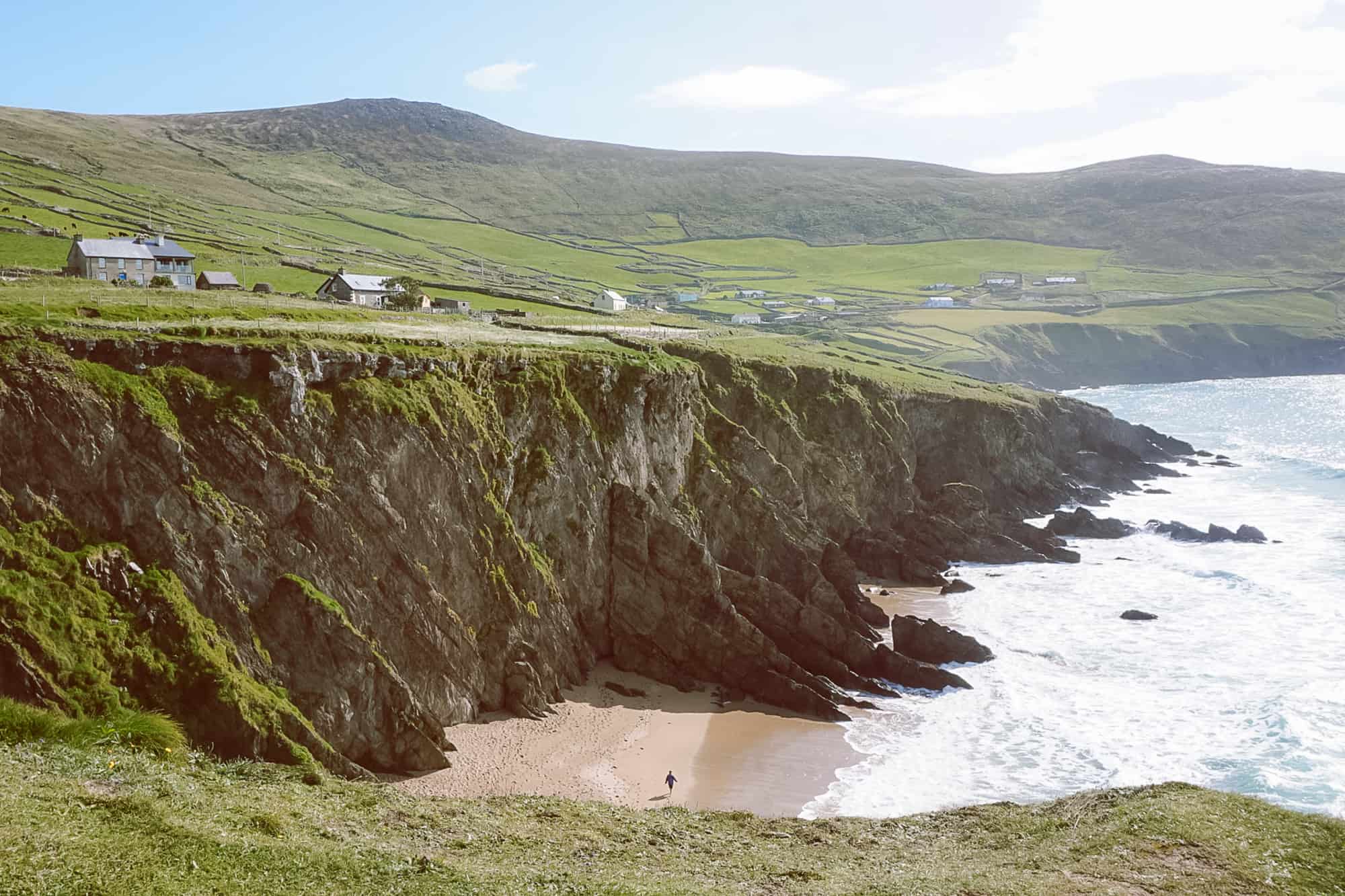
For an alternative Ireland itinerary, you could include the Copper Coast in a coastal drive along Ireland’s southeast.
It also pairs well with a visit to Waterford city and offers an ideal alternative to more crowded coastal routes. You could also pair with a visit to Mount Congreve Gardens, or spend more time in Waterford and cycle the Waterford Greenway on another day.
RELATED READING | Local’s Guide: 7 Days Exploring the Magic of Ireland
Mount Congreve Gardens


- Location: the outskirts of Waterford City (South-East Ireland)
- Logistics: Mount Congreve is conveniently located near Waterford city, County Waterford. A couple of minutes off the motorway from Dublin, it’s easily accessible by car and there’s plenty of parking on site.
- Information: Check the Mount Congreve website for opening times and admission fees. They often have special events throughout the year, especially during peak blooming seasons.
Again, here is another totally underrated gem and one that is little known to visitors from outside of Ireland. I even have to admit that I only visited myself for the first time during the pandemic when I couldn’t travel abroad, which I’m embarrassed to admit as Mount Congreve is located less than 30 minutes from my home!
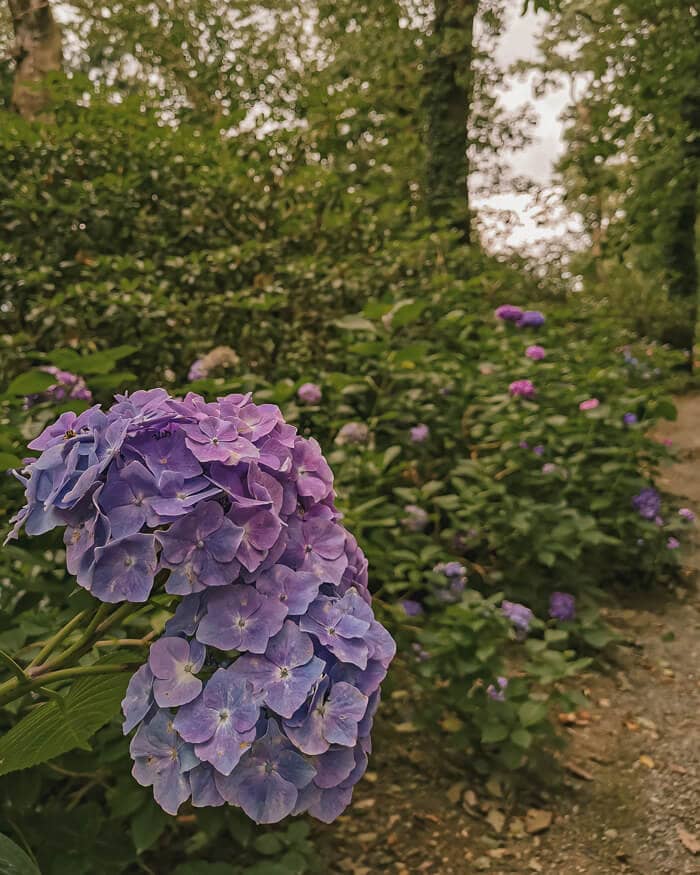
I love a good garden and these gardens are truly stunning in both their setting, their planning, their contents and how mature they are. As part of recent upgrades, the visitors’ offering has been expanded to include the fabulous Stables café that focuses on local produce.
You can also stay in a refurbished lodge too should that tickle your fancy. Allow plenty of time to explore the extensive gardens – you won’t want to rush through this peaceful oasis.
Why Visit Mount Congreve
Mount Congreve is more than just a pretty garden – it’s a living chronicle of Irish horticultural passion.
This 18th-century Georgian estate was designed by the famed John Roberts, and became the canvas for subsequent owner Ambrose Congreve’s botanical obsession. From 1968, Congreve transformed the grounds into a gardener’s paradise, creating what’s now one of Ireland’s most impressive collections of plants.
Inspired by childhood visits to the Rothschild estate, Congreve worked tirelessly with Dutch horticulturist Herman Dool to craft 70 acres of woodland wonder and a 4-acre walled garden. The result? A horticultural masterpiece that bagged 13 Chelsea Flower Show gold medals.
Upon his death at the ripe old age of 104, Congreve bequeathed the house and gardens to the Irish state. Recently reopened following a large investment, the gardens are well worth a few hours of your time.
Combining with Other Attractions
Visit while exploring the Viking city of Waterford. It combines well with the Waterford Greenway cycling route and pairs nicely with other Waterford attractions like the Copper Coast Geopark and coastal drive.
Aughnanure Castle

- Location: Oughterard, Co. Galway (West of Ireland)
- Logistics: You’ll find Aughnanure Castle on the very outskirts of the region of Connemara if travelling from Galway City. It’s easily accessible by car and there’s parking available on site.
- Information: Check the Heritage Ireland website for opening times and admission fees. There is plenty of info available throughout the visit.
Aughnanure is so incredibly easy to visit if you’re driving from Galway to Connemara as you’ll pass pretty close by when driving through Oughterard. Instead, so many cars and tour buses whizz by on a mad dash to instead reach the colourful town of Clifden, or the Gothic romance of Kylemore Abbey.
For one, the castle is incredibly well-preserved. It really allows you to picture what life might have been like back when the castle was full of people and activity.
I also like how it’s more representative of what so many Irish castles are actually like; medieval tower houses, and not the whimsical, turreted types that dot the countryside of mainland Europe. Castles of this era in Ireland were built tall and narrow, with thick walls to keep attackers out!

RELATED READING | 16 Majestic Castles for Rent in Ireland: Ultimate Guide
Why Visit Aughnanure Castle
As already mentioned, Aughnanure Castle exemplifies a late medieval Gaelic tower house and is associated with the O’Flaherty clan, an ancient Gaelic family whose ties to the area go back for centuries.
This castle, their former stronghold, is a wonderful example of what a Gaelic Tower house comprised of.
It’s a great window into the trials and triumphs of a powerful clan throughout the ages, and to see how events that took place in a broader context in Ireland affected the fates of the members of one particular family throughout the centuries.
Combining with Other Attractions
This castle pairs perfectly with a trip to Connemara. It’s an easy stop on the route from Galway to Connemara, and you could combine it with a visit to Kylemore Abbey for a day full of historical sites.
Derrigimlagh Bog and the Alcock & Brown Memorial & Landing Site


- Location: Connemara, Co. Galway (West of Ireland)
- Logistics: Located near Clifden, Connemara, County Galway. The site is best accessed by car, and there’s a car park at the start of the loop walk.
- Information: There’s a 5km looped walk with interpretive signs that takes you through the site. No need to book in advance, and it’s free to visit. More info here.
You’d be forgiven for thinking Derrigimlagh Bog is just another stretch of Connemara wilderness. But this unassuming patch of peatland has seen more action than most.
It’s odd to think of this remote spot as a hub of technological firsts, but that’s exactly what it is. As you walk the boardwalk through the bog, you’re treading the same ground where world-changing events in communication and aviation took place.
I’ll admit, I wasn’t particularly interested in Marconi or early flight before I came here. But standing in this lonely landscape, where history and nature collide, I couldn’t help but be intrigued.
Why Visit Derrigimlagh Bog
Derrigimlagh Bog is significant for two reasons.
Firstly, it’s the crash landing site of Alcock and Brown’s first Transatlantic flight and secondly, is the place from which Marconi transmitted the first commercial transatlantic wireless message.
It showcases early 20th-century technological innovations and represents the natural and cultural landscape of Connemara. You’ll get to walk through a working bog, and may even witness turf being cut.
Combining with Other Attractions
Include this in a tour of Connemara. It pairs well with a visit to Kylemore Abbey or Clifden town and it’s fabulously scenic Sky Road driving route. You could also combine it with Aughnanure Castle for a day of historical exploration.
READ NEXT:


The Lost Valley


- Location: Silver Strand, County Mayo (West of Ireland)
- Logistics: Located near Louisburgh, County Mayo. It’s situated between Killary Fjord and Silverstrand beach.
- Information: Tours are run by Gerard Burke, whose family have lived on and farmed the land for generations. Book in advance through their website. Tours run seasonally from May to September.
Incredibly poignant, this is probably one of the best tours that I have ever done, and also one of the most interesting places I’ve ever visited in Ireland.
The tour is fascinating as host Gerard has a huge personal connection to the land and its stories.
Situated with Killary Fjord on one side, the silver sands of the actually named Silverstrand on another and the Atlantic waves crashing onto the silken sands in front of the farm, you can also see the ridges in the hills – that still remain to this day – where the potato crops were planted and, ultimately, failed.
It’s a fascinating couple of hours and really, really unique. For anyone interested in social history and in particular the famine, this is a must-visit site in Ireland that’s well worth making a detour for.
Why Visit the Lost Valley
The Lost Valley illustrates the impact of the Great Famine on rural Ireland. It showcases traditional Irish farming methods and demonstrates the effects of land ownership changes in Irish history.
The Burke family, current owners, have farmed the land for generations, but they didn’t always own it, only securing the right to purchase it with the advent of the Land Acts of the late 19th/early 20th centuries. Like much of Ireland’s land, it was not held by its people for many centuries.
It’s a really unique snapshot into Ireland’s cultural heritage, part of its sad past, as well as how families have moved on from the more difficult times that their ancestors lived through. It’s also located in one of the most scenic areas of Ireland.
Combining with Other Attractions
Include this in a tour of County Mayo. It combines well with a visit to Croagh Patrick or the nearby town of Westport. Those with a particular interest in the history of the Famine should prioritise a visit.
The Céide Fields

- Location: Ballycastle, County Mayo (West of Ireland)
- Logistics: Located north of Ballycastle, County Mayo. It’s accessible by car, with parking available at the visitor centre.
- Information: Check the Heritage Ireland website for opening times and admission fees. The visitor centre is superb and is an award-winning one.
Not a complete unknown, I do feel like the county of Mayo gets overlooked in general. It’s rare that you get to see something so ancient, and the Céide Fields goes a long way to explaining and exploring some of the population of Ireland’s earliest roots.
While it’s hard to make sense of the excavations when viewing them in isolation, the visitor’s centre is excellent and goes a long way in helping you understand what you’re seeing.
The setting is also positively sublime. It’s also so exposed to the elements and gives you a complete appreciation as to how our early ancestors forged a life for themselves in such tough conditions.
Why Visit the Céide Fields
The Céide Fields contain the oldest known stone-walled fields in the world – dating back nearly 6,000 years. This Neolithic site provides insight into early farming and community life in Ireland, representing some of our earliest agricultural roots.
Combining with Other Attractions
Include this in a tour of County Mayo. Pair it with a visit to Downpatrick Head or Achill Island. It also combines well with other prehistoric sites in Ireland for a themed tour.


Queen Maeve’s Cairn (+ Carrowmore Megalithic Complex)


- Location: County Sligo (North-West Ireland)
- Logistics: Queen Maeve’s Cairn is located on Knocknarea, near Sligo town. Carrowmore is nearby. Both are accessible by car with parking available.
- Information: For Queen Maeve’s Cairn, no booking is necessary. For Carrowmore, check the Heritage Ireland website for opening times and admission fees.
When I think of ancient and megalithic Ireland, the county of Sligo immediately springs to mind. There’s something elemental, mystical, and somewhat otherworldly about Sligo and its landscapes. It’s easy to see why writers like Yeats were so inspired by the area.
It’s here that I feel a strangely indescribable pull or tie to my ancestors, and I mean those that came a really, really long time before me in Ireland. After a short hike up the hill to Queen Maeve’s Cairn, you’re met with the magnificent sight of the cairn itself and a fantastic 360° view of the surrounding land and seascape.
What’s also incredible about a visit here are the thoughts that you are treading in the footsteps of those who have carried out the very same route in pilgrimage for thousands of years.
Carrowmore, then, is a fascinating complex that can be combined with Queen Maeve’s Cairn, should you be keen to explore some of Ireland’s ancient past.
Why Visit Queen Maeve’s Cairn & Carrowmore
Queen Maeve’s Cairn, dating back to 3200 BC, is linked to both Irish mythology and Ireland’s earliest people. Carrowmore is one of the largest and oldest megalithic cemeteries in Europe, with over 60 tombs dating from 4300-3500 BC. Together, they represent both Irish mythology and prehistoric archaeology.
Combining with Other Attractions
Visit while exploring Ireland’s northwest. Combine with a trip to Sligo town or Yeats Country. These sites pair well with other megalithic sites in Ireland for a themed tour.
The Rock of Dunamase

- Location: Close to Portlaoise, Couny Laois (Midlands)
- Logistics: Located near Portlaoise, County Laois. It’s easily accessible from the M7 motorway that links Dublin to Limerick (from which you’d continue on to the Ring of Kerry, Killarney etc) by car, with parking available at the base of the rock.
- Information: The site is open year-round and is free to visit. There’s no visitor centre, but information boards provide historical context. More info here.
Due to its position atop a rocky outcrop, Dunamase is somewhat reminiscent of the Rock of Cashel. However, it has its own unique story.
I’ve included it because it’s totally under-visited by visitors from abroad – in fact, the entire Midlands region is.
Even more interesting is that it’s actually been abandoned for several hundred years, further adding to the fantasy upon a visit. The views from the top are spectacular, offering a panorama of the surrounding countryside.
Why Visit the Rock of Dunamase
The Rock of Dunamase has a fascinating history with touchpoints in some of Ireland’s most key periods including Viking raids, the Anglo-Norman invasion and the arrival of Cromwell’s forces in Ireland.
Some key players in Irish medieval history also have links to the site. First fortified in the 9th century, it was given as part of a dowry to Strongbow in 1172, before being destroyed by Cromwellian forces in 1650.
Combining with Other Attractions
Visit while traveling between Dublin and the south-west of Ireland. You could also combine with a trip to Kilkenny or the Slieve Bloom Mountains.
The Chester Beatty Library

- Location: Dame Street, Dublin City Centre
- Logistics: Located in the Dublin Castle grounds, Dublin City. It’s easily accessible on foot if you’re in the city centre.
- Information: Check the Chester Beatty Library website for opening times. Admission to this wonderful collection is free.
When we talk about hidden gems, this really is one – as it’s hidden in plain site alongside one of Dublin’s most popular tourist attractions.
Accessed from the courtyard of Dublin Castle, which itself is an extremely popular stop on most tourists’ Dublin itineraries, is the very unique Chester Beatty Library.
Few step inside to view the unique collection of treasures amassed by the late Chester Beatty. It’s well worth an hour of your time and what’s more, it’s also free to visit.
While not Irish items per se, and not even really a historical ‘site’ in the strict sense of the term, it is however full of a really unique collection of often rare historical artifacts from around the world, making it an extremely worthy entrant on this list.
Why Visit the Chester Beatty Library
The Chester Beatty Library houses one of the finest collections of manuscripts and books in Europe, representing global cultural heritage. Founded by Sir Alfred Chester Beatty, an American mining magnate, it includes ancient Egyptian papyri and medieval manuscripts.
Combining with Other Attractions
Include this in a Dublin city tour. Pair really well with visits to Trinity College Library and the National Museum of Ireland. It’s an easy addition to a Dublin Castle tour.


Valentia Island: Transatlantic Cable Station and Tetrapod Tracks


- Location: County Kerry (South-West Ireland)
- Logistics: Valentia Island is located off the coast of County Kerry. It’s easily reached from the mainland via a bridge at Portmagee, or you can elect to take the car ferry from the port at Renard Point, Cahersiveen.
- Information: The Tetrapod Trackway is always open and free to visit. For the Cable Station, check local information for opening times.
Valencia Island sits off the West Coast of Ireland at the very edge of Europe. It’s a magnificent addition to any Irish itinerary and what’s also unique about it are two of its more significant historical sites.
The island offers a unique combination of technological history and prehistoric natural history. It’s pretty cool to think that the first transatlantic cable was sent from this windy output off the craggy coast of Ireland, changing how the world communicated for ever more.
The Tetrapod Tracks provide a rare opportunity to see evidence of life from 385 million years ago. Take time to explore both sites and soak in the rugged beauty of this part of Ireland.
Why Visit Valentia Island
The first transatlantic cable station, said to be the eighth wonder of the world, is located here. Also, I really don’t think there are too many places in the world where you can get to see 385 million-year-old tetrapod tracks. For those who don’t know, tetrapods existed before humans came to evolve.
Combining with Other Attractions
Include this in an extended tour of the best stops on the Ring of Kerry. It combines well with a visit to Skellig Michael or the Dingle Peninsula also.


Map of Underrated Irish Historical Attractions
How to use this map: click the small rectangular tab on the top left of the map (in the dark header section) to open and close the site names (arranged by location) contained on this map. Click on each of these to learn more about them on Google Maps. Click the star beside the title of this map to view in your own Google Maps later.
Conclusion
Ireland’s hidden historical sites offer a unique window into the country’s rich past, far beyond the usual tourist trail. As you explore these lesser-known locations, you’ll experience the layers of history that make Ireland so special.
If you’re looking for more insider tips, check out my local’s guides for planning the perfect 7-day itinerary, some fabulous ideas for short breaks around the country, or discover how you can stay in one of Ireland’s historic castles.
For more on our rich heritage, don’t miss my posts on Kilkenny’s Medieval Mile or everything you need to know about visiting the iconic Rock of Cashel.
Related reading for Ireland


Like this post? Pin for later!


